

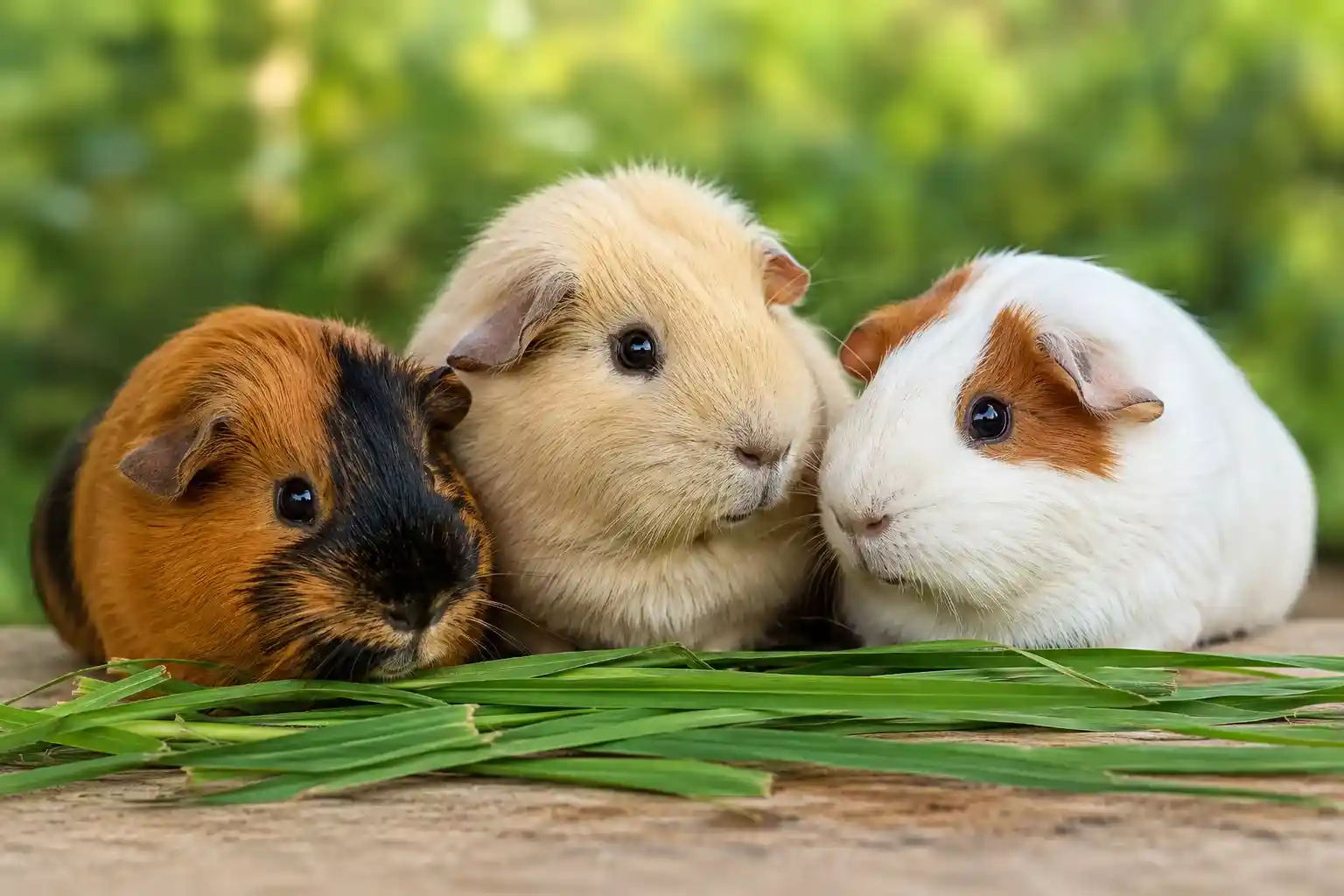
Understanding a typical guinea pig lifespan means planning for an average of 5 to 8 years. Their total time with your family depends on routine cage hygiene alongside specific dietary habits. A good setup helps many reach eight years or more through proactive everyday care. Exotic vet checkups also play a major role in adding good years.
Aging brings subtle physical changes in these small pets. Older guinea pigs often show subtle shifts in hay consumption or altered sleeping patterns as time passes. Catching hidden illness before it progresses prevents sudden health drops and maintains their life expectancy.
This guide explores the exact signs of aging to watch for in the enclosure. We provide observational care advice to support their long-term health. This guide explains what to evaluate at every specific life stage.
Quick Answer: Guinea pigs typically live 5 to 8 years, although some reach 10 years or more with excellent care and genetics. A balanced diet, unlimited timothy hay, daily vitamin C, spacious housing, companionship, and routine veterinary checkups all contribute to a longer, healthier life.
What Is the Average Guinea Pig Lifespan?
The average guinea pig lifespan spans five to eight years in captivity. Reaching that eight-year mark depends on the physical habitat you provide. A quiet room and constant access to fresh hay make a noticeable difference in the aging process. Daily observations help catch minor physical changes before they turn into major health drops. Let us explore the factors influencing their time with you.
Indoor vs. Outdoor & Captivity
Domesticated guinea pigs do best indoors. An indoor enclosure offers a stable climate away from drafty windows and freezing nights. Keeping a hutch outside exposes guinea pigs to damp grass and harsh temperature drops.
Outdoor guinea pigs may shiver during cold weather and burying itself under soiled bedding just to stay warm. Fighting the cold takes a massive physical toll on their small bodies. Indoor setups bypass this weather stress. Many pets spend their energy running through tunnels rather than surviving the chill.
Predictable room temperatures keep their breathing clear and support a full life expectancy.
Male vs. Female
Gender makes little difference in life expectancy. Males and females age at an identical pace. A male and a female eating the same diet reach their senior years side by side.
The only exception involves breeding females. Repeated pregnancies take a physical toll on her body. A female facing multiple litters shows signs of physical exhaustion early in life. Without the burden of breeding, both sexes share the same baseline longevity.
Guinea Pig Lifespan by Breed
Different breeds experience the aging process in distinct ways. Genetics establishes a baseline for health expectations. Hairless varieties face different daily challenges compared to standard short-haired types. The comparison below breaks down the guinea pig lifespan by breed alongside specific observational notes.
| Breed | Average Lifespan | Quick Longevity Note |
| American guinea pig | 5 to 8 years | Short hair makes it easier to spot sudden weight loss or skin lumps. |
| Peruvian guinea pig | 5 to 8 years | Long coats require daily brushing to prevent painful mats and hidden infections. |
| Abyssinian guinea pig | 5 to 7 years | Their rosettes can hide small cuts or trapped dirt from the cage floor. |
| Teddy guinea pig | 4 to 6 years | Dense wire-like fur makes dry skin flakes hard to notice. |
| Skinny pig | 4 to 5 years | Hairless skin demands warmer room temperatures to avoid respiratory illness. |
Guinea Pig Lifespan Chart by Age
Watching a pet grow means noticing changes in their daily habits. A young guinea pig sprinting around the enclosure acts differently from an older animal resting in a hideout. A guinea pig lifespan chart helps you track these physical shifts. Knowing each life stage helps owners adjust pellet portions or add softer bedding.
Guinea Pig Age Stages
Different life phases bring changes in activity and dietary needs. This timeline shows what to look for as they mature.
| Age Stage | Timeframe | What You Will See |
| Baby | 0 to 6 months | Endless running and jumping. They eat calcium-rich alfalfa hay to support growing frames. |
| Young Adult | 6 months to 2 years | Physical growth stops. Cage mates figure out the social order during floor time. |
| Adult | 2 to 4 years | Napping increases. Measure daily pellets to prevent unwanted weight gain. |
| Senior | 4 to 6+ years | Movement looks stiff. They spend more time sleeping inside fleece tunnels. |
Guinea Pig Years to Human Years
Comparing their timeline to human years puts their physical needs into perspective. A three-year-old pet matches a human in their early thirties. They sit past their teenage phase and need mature care. This chart shows the human age equivalent for each year of their life.
| Guinea Pig Age | Human Age Equivalent |
| 1 Year | 10 to 14 Years |
| 2 Years | 20 to 24 Years |
| 3 Years | 30 to 33 Years |
| 4 Years | 40 to 45 Years |
| 5 Years | 50 to 55 Years |
| 6 Years | 60 to 65 Years |
| 7 to 8 Years | 70 to 80+ Years |
What Factors Affect Guinea Pig Lifespan?
Reaching the upper end of a guinea pig lifespan takes more than luck. Their total years depend on the daily routines happening inside the enclosure. Small choices regarding food bowls and cage setups compound over time. Let us examine the specific habits that extend their time and the common mistakes that take those years away.
Diet and Nutrition
What goes into the food bowl dictates their long-term health. Unrestricted Timothy hay forces guinea pigs to chew throughout the day. This chewing action wears down back teeth. Overgrown molars trap the tongue and stop the pet from swallowing food.
Giving a daily vitamin C tablet prevents scurvy. This condition breaks down joints and loosens teeth. Feeding the wrong treats damages their fragile gut bacteria and shortens their life. Refer to our comprehensive guide on what guinea pigs can eat to ensure your dietary choices support longevity rather than hindering it.
Foods That Shorten Lifespan (Do Not Feed):
- Dairy drops disrupt stomach digestion.
- Iceberg lettuce causes watery stools.
- Seeds present a choking hazard.
- Nuts pack excess fat and promote heavy weight gain.
Habitat and Living Conditions
The enclosure size dictates their physical condition. A cramped cage restricts movement. A sedentary pet gains excess weight fast. That extra bulk puts painful pressure on aging joints.
Cage hygiene plays a massive role in longevity. Wet bedding traps ammonia gas near the cage floor. Breathing soiled air day after day inflames their lungs and invites chronic respiratory illness.
Living Condition Takeaways:
- Provide a massive flat floor space to encourage continuous running.
- Replace wet bedding spots daily to clear harmful ammonia smells.
- Use soft fleece to stop painful sores from forming on their feet.
Veterinary Care
Prey animals hide their physical weakness to survive. A pet sitting hunched in a corner with a puffed coat indicates an advanced problem. Waiting for visible sickness reduces their chances of a full recovery.
Routine checkups catch hidden problems before they turn fatal. An exotic vet spots early dental trouble or a slight heart murmur during a standard physical exam. Partnering with a professional adds good years to their life.
Veterinary Care Takeaways:
- Book annual wellness exams to establish a healthy baseline.
- Ask the vet to inspect the back molars with a specialized tool.
- Weigh the pet every week on a kitchen scale to catch sudden drops.
Social Companionship
Living without a partner causes chronic anxiety. A solitary pet stays on high alert for predators. This constant fear elevates their resting heart rate. The ongoing stress suppresses their immune system.
The physical strain of loneliness leaves them vulnerable to sickness. A compatible cage mate provides instant security. Two animals eating side by side experience lower daily stress. A calm environment supports a resilient body.
Socialization Takeaways:
- House them in pairs to provide constant interaction.
- Offer two of every hideout to stop fights over sleeping spots.
- Monitor their behavior to ensure one pet does not bully the other away from the hay rack.
Common Health Problems That Shorten Lifespan
A full guinea pig lifespan requires spotting physical trouble fast. Prey animals hide sickness out of instinct. By the time you notice a problem during floor time, the condition has progressed. Watching their routine habits helps you catch these common health problems before they cause permanent damage.
Respiratory Infections
- Symptoms: You will see crusty discharge around the nose and hear a faint clicking sound with every breath. An affected guinea pig might sit hunched in a dark corner facing the cage wall instead of greeting you.
- Prevention: Keep the enclosure in a draft-free room with predictable temperatures year-round. Spot clean wet bedding patches daily to stop harmful ammonia odors from irritating their lungs.
- When to see a vet: Book an exam the minute you spot a runny nose or notice a decline in their hay consumption.
Dental Disease
- Symptoms: The pet picks up a pellet but drops the half-chewed food back into the bowl. Affected guinea pigs often develop a wet chin from excess drool and notice fewer droppings scattered around the cage floor.
Dental disorders are considered one of the most common health problems seen in pet guinea pigs, making routine dental examinations an important part of preventive care.
- Prevention: Provide a constant supply of fresh timothy hay to ensure constant chewing action wears down the back molars. Avoid feeding soft commercial treat sticks that fail to provide necessary dental friction.
Veterinary Insight: In clinical practice, one of the earliest warning signs of dental disease is a gradual decline in hay consumption, often before obvious weight loss develops. Our veterinarians recommend monitoring both appetite and weekly body weight because these subtle changes frequently appear before owners notice visible illness.
Vitamin C Deficiency (Scurvy)
- Symptoms: They hop with a stiff gait and cry out in pain when an owner lifts them from the enclosure. Bleeding gums and loose incisors are common signs when checking their mouth.
Guinea pigs cannot synthesize their own vitamin C, unlike many other mammals, so they must obtain it daily through their diet or supplementation.
- Prevention: Feed a measured dose of plain vitamin C tablets every morning to guarantee they get the required amount. Do not rely on liquid drops mixed into water bottles because the vitamin degrades fast when exposed to room light.
Veterinary Insight: Clinical practice shows that scurvy mimics severe arthritis. A guinea pig refusing to walk might have micro-fractures in their weakened joints. Veterinary professionals administer pure, injectable vitamin C to stabilize the pet fast. Avoid putting liquid drops in water bottles, as light degrades the nutrients before the pet drinks.
Obesity & Urinary Stones
- Symptoms: Many pets squeak in pain while using the litter area and leave pink-tinted wet spots on the light fleece bedding. A heavy pet develops a thick belly and struggles to reach down to groom itself.
- Prevention: Offer a large floor space for endless running and measure daily pellet portions with a spoon. Feed low-calcium vegetables like green bell peppers rather than feeding spinach or kale.
- When to see a vet: Blood on the bedding warrants immediate veterinary attention.
Signs Your Guinea Pig Is Getting Older
Aging reveals itself through subtle shifts in daily cage behavior. Spotting these physical changes helps you adjust their habitat to match their new capabilities. Supporting a full guinea pig lifespan requires matching your care routine to their current physical stage. Watch for these specific signs of aging during daily floor time.
- Reduced Activity Levels: An older pet spends more hours resting inside a dark hideout. Older guinea pigs usually take fewer laps around the enclosure. They pick a favorite corner to nap rather than exploring fresh hay piles.
- Noticeable Weight Loss: Senior bodies lose muscle mass as a natural part of the aging process. Weight loss becomes noticeable through a more prominent spine and hips. A kitchen scale reveals a downward weight trend even when senior pets finish their daily pellet portion.
- Joint Stiffness: Arthritis makes their morning movements look rigid. Affected guinea pigs take shorter steps and walk with a stiff gait. You will notice them hesitating before hopping into a litter box. They avoid climbing cage ramps that they navigated without effort just a few months prior.
- Fur and Skin Changes: A thick coat turns sparse over time. Thinning fur often appears around the belly and flanks. Dry skin flakes gather near the lower back. The fur color turns gray around the face and muzzle.
- Cloudy Eyes and Vision Decline: A hazy blue tint develops over the dark centers of their eyes. This physical change reduces their ability to spot incoming movement. The pet bumps into relocated wooden chew toys. They act startled when a hand reaches into the cage from above.
How to Help Guinea Pigs Live Longer
Reaching a full guinea pig lifespan requires a consistent daily routine. Beyond these longevity-specific tips, review our master Guinea Pig Care Guide to master the basics of housing, hygiene, and behavior to provide a foundational environment where your pet can thrive.
Small adjustments to their habitat build a foundation for long-term health. Following a predictable schedule prevents physical strain and supports their natural behaviors. These practical steps add good years to their time.
- Feed Unlimited Hay: Keep a fresh pile of timothy hay available around the clock. The constant chewing action grinds down their back teeth. This prevents overgrown molars from trapping the tongue. Steady fiber intake keeps their gut moving and stops fatal blockages.
- Provide Daily Vitamin C: Give a measured vitamin tablet every morning. Their bodies cannot make this vital nutrient. Consistent doses protect aging joints and maintain strong teeth. Offering a solid tablet guarantees they receive the exact required amount.
- Keep the Enclosure Clean: Remove wet bedding patches every afternoon. Soiled corners release ammonia gas right at the cage floor level. Breathing clean air prevents chronic respiratory infections. Dry fleece stops painful sores from developing on their feet.
- Encourage Floor Time Activity: Set up an exercise pen to promote running. Scatter their daily vegetable portions across the floor to trigger natural foraging habits. Active movement burns calories and prevents obesity. A lean body experiences less joint stiffness down the road.
- Reduce Environmental Stress: Place the enclosure in a quiet room away from loud televisions or barking dogs. A calm environment keeps their resting heart rate low. Chronic fear drains their immune system over time. A peaceful habitat gives them a chance to thrive.
- Schedule Routine Vet Visits: Book an annual exam with an exotic animal clinic. A professional spots minor heart murmurs or hidden dental trouble during a standard physical check. Catching sickness early offers the best chance for a full recovery.
Senior Guinea Pig Care Tips
An older body requires specific cage modifications. Adjusting their surroundings makes navigating the enclosure easier. These small physical changes help them maintain a routine without experiencing pain.
Bedding Adjustments
Aching joints need extra padding during naps. Swap thin paper materials for thick fleece liners. The added cushion reduces physical pressure on their resting hips. Place a thick, padded bed inside their favorite wooden hideout. This stops painful sores from developing on their thin skin while they sleep.
Habitat Accessibility
A senior pet struggles to climb. Keep the entire living space on one flat level. Remove steep ramps and second-story lofts that force them to jump. Lower the water bottles a few inches. This allows guinea pigs to drink without stretching a stiff neck. Place the pellet bowl close to their main sleeping area to cut down the walking distance.
Dietary Tweaks for Dental Health
Chewing tough stems gets harder as teeth weaken. Offer a softer cut of orchard grass alongside the standard timothy hay to accommodate weak jaws. Chop their morning bell peppers into tiny pieces. A pet with missing front teeth needs shredded vegetables to manage a full meal without giving up out of frustration.
Weight and Hydration Monitoring
Weight drops happen fast in older animals. Place the pet on a digital kitchen scale every week to track their exact numbers. A sudden drop signals hidden sickness. Watch the water bottle line each morning. An animal drinking massive amounts points toward internal trouble. A pet ignoring the water spout requires wet, water-rich vegetables to stay hydrated.
Why Do Guinea Pigs Die Suddenly?
Losing a pet without warning brings deep heartache. In many situations, your companion fought a hidden illness for days before passing. Prey animals mask their physical weakness to survive. Showing sickness attracts trouble in the wild, and this instinct remains strong even inside a safe room.
They will pretend to eat and act alert while their internal systems shut down. By the time they display visible symptoms during floor time, the condition requires professional help. Catching these hidden emergencies means knowing their exact routine habits.
Watch for these specific red flags that require an urgent exotic vet visit:
- Refusing Food: Skipping a single meal or ignoring a fresh pile of timothy hay indicates a dangerous digestive shutdown.
Veterinary Insight: A single skipped meal points to Gastrointestinal Stasis. Our veterinary contacts treat this as a top medical emergency. When the gut stops moving, trapped gas builds up and causes severe physical pain. This internal shutdown turns fatal within hours. The pet needs motility drugs and critical care feeding formulas fast.
- Labored Breathing: Hearing a faint clicking noise with every breath or seeing their sides heave signals a respiratory crisis.
- Hunched Posture: Sitting facing a dark corner with puffed fur means the pet is experiencing severe physical discomfort.
- Cold Extremities: Feeling cold ears or cold feet during a health check points toward poor blood circulation and shock.
- Lethargy: A pet refusing to move when you reach into the enclosure needs fast medical intervention.
Oldest Guinea Pig Ever Recorded
The oldest guinea pig ever recorded reached fourteen years and ten months of age. A pet named Snowball holds this official Guinness World Record.
The average pet lives five to eight years in a standard enclosure. Snowball shows what a pristine habitat accomplishes. Reaching this specific milestone involves strong genetics paired with precise daily care. Providing constant fresh hay and a calm room gives an animal a firm foundation for aging.
A fourteen-year lifespan remains rare. Building a consistent feeding routine helps a pet maximize their total time in your home.
Frequently Asked Questions
Understanding a normal guinea pig lifespan brings up specific concerns regarding the aging process. Reviewing these common questions helps you build a proactive daily routine for your pet.
Can guinea pigs live for 10 years?
Reaching ten years is rare but possible with strong genetics and a pristine habitat. A decade-long guinea pig lifespan requires a controlled indoor climate and consistent veterinary care. Preventing heavy weight gain through massive floor space gives their body a chance to reach this milestone.
Is a four-year-old guinea pig considered a senior?
Four years mark the transition into the senior stage. At this point, most guinea pigs begin showing reduced activity. They start napping longer inside wooden hideouts. Monitoring their weight on a kitchen scale and watching for stiff joints during morning floor time becomes important.
What is the most common cause of death in guinea pigs?
Respiratory sickness and sudden digestive blockages claim many pets. Breathing ammonia from soiled bedding inflames their lungs. A lack of timothy hay stops their gut from processing food. Both issues turn fatal because prey animals mask sickness until the final stages.
Do indoor guinea pigs live longer?
Indoor pets enjoy a longer life expectancy. A temperature-controlled room protects them from winter drafts and summer heat stress. Outdoor huts force them to burn constant calories to regulate body heat. The indoor environment removes weather-related strain from their everyday routine.
How do I know if my guinea pig is aging?
An older pet takes shorter steps and struggles to climb cage ramps. You will spot gray fur around the nose and notice thin patches along the flanks. They rest more and show hesitation before hopping into a litter box due to stiff joints.
Can guinea pigs die from loneliness?
Living alone causes chronic stress. A solitary pet stays on constant alert for danger. This ongoing fear elevates their heart rate and breaks down their natural defenses. The physical toll of anxiety leaves them vulnerable to sickness that cuts their total years short.
What foods help guinea pigs live longer?
Unlimited Timothy hay is the foundation for a long life. The constant chewing action grinds down back teeth and prevents fatal dental issues. Providing a daily vitamin C tablet stops joint breakdown. Offering fresh bell peppers keeps their hydration up without adding bad sugars.
At what age is a guinea pig considered senior?
A pet enters the senior phase at four years of age. Their everyday energy drops. They require softer bedding to cushion resting hips. Adjusting their enclosure by removing steep ramps helps them maintain a consistent routine without experiencing physical pain.
Final Thoughts
Supporting a full guinea pig lifespan relies on a steady daily routine. Good cage hygiene and a constant supply of fresh timothy hay create the foundation for long-term health. Partnering with an exotic vet for baseline exams catches hidden dental trouble long before it turns fatal.
Small daily choices regarding diet and room temperature shape their physical future. A predictable feeding schedule prevents weight drops and keeps the gut moving. Tracking subtle physical changes helps you adapt the habitat layout as they enter their senior years. Proactive preventive care gives these pets a solid chance to reach old age.