
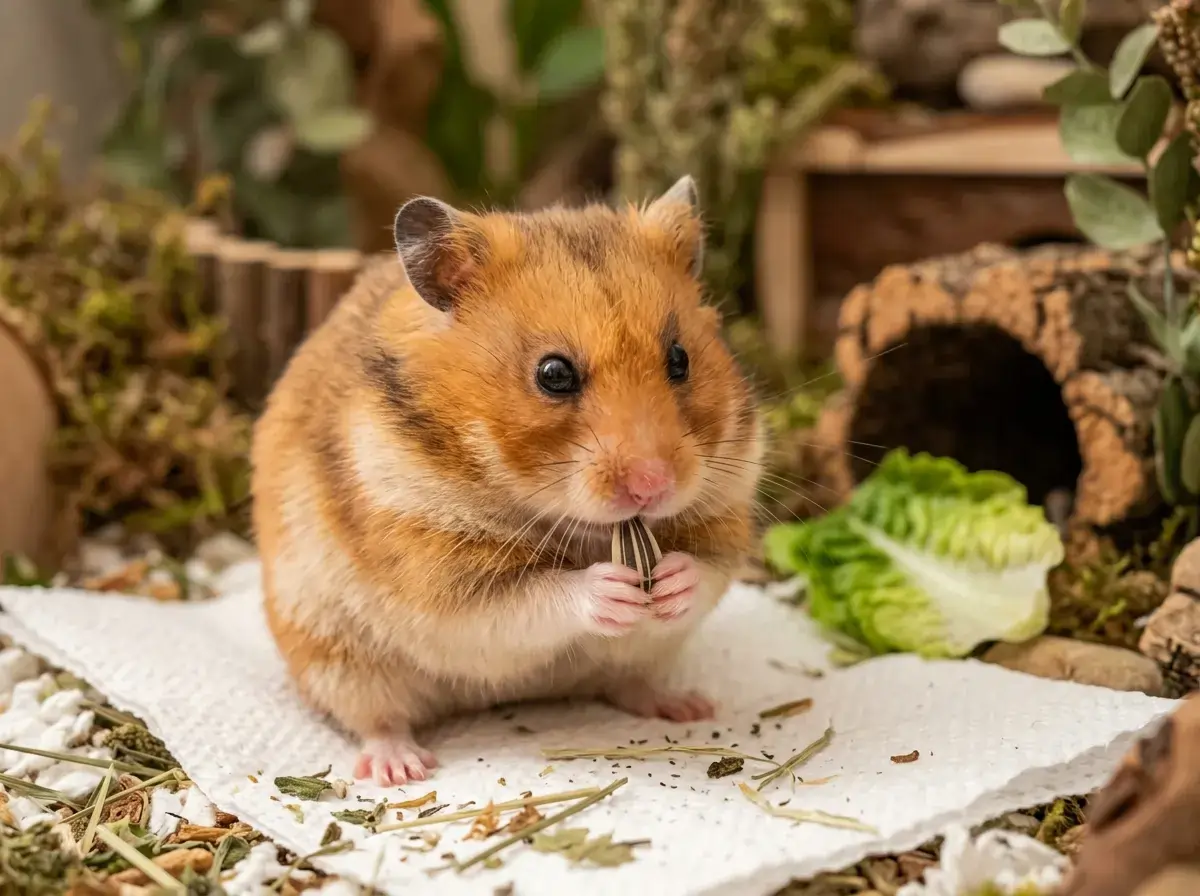
When asking what do hamsters eat, the answer goes beyond standard pet store pellets. A healthy daily bowl combines specialized seeds, specific grains, and measured fresh vegetables. These small animals operate as natural omnivores, requiring a steady baseline of plant matter alongside safe animal protein to thrive.
The specific dietary choices and portion sizes made for a Syrian hamster differ noticeably from those of a dwarf hamster. Providing the correct daily mix actively prevents obesity and keeps their continuously growing teeth worn down to a safe length.
A balanced plate can directly impact their overall lifespan, digestive health, and daily energy levels. To ensure maximum safety and nutritional accuracy, this comprehensive feeding guide has been reviewed by DVM veterinarians with decades of clinical experience.
Clinical Insights from the PawsHatch Veterinary Board
In our clinical experience, we have found that most diet-related emergencies in hamsters are entirely preventable. Overfeeding, excessive sugary treats, and inappropriate human foods are the primary culprits behind digestive failure. Enforcing strict portion control and a consistent daily routine remains the absolute best defense for your pet’s long-term health.
What Do Hamsters Eat in the Wild?
Understanding a pet’s nutritional needs starts by looking at its origins. A wild environment helps what their bodies naturally digest and process.
Natural Diet of Wild Hamsters
Wild hamsters are opportunistic scavengers. As a natural omnivore, their digestive system handles both plant material and animal protein. In their native habitats, wild hamsters spend much of their active time searching for seeds, grains, roots, and insects.
Their natural diet consists heavily of dry seeds and local grains found on the ground. They dig for buried roots during leaner months. They eat scattered vegetation when available. To meet protein requirements, they catch small insects. This varied diet supplies the fats, fiber, and protein hamsters need to stay healthy.
How Wild Feeding Habits Affect Pet Hamsters
The instinct to survive in dry climates remains strong in domestic pets. This history explains their food-storing habits. It is common to notice a pet stuffing its cheek pouches and hiding meals in the corners of the bedding. This is a natural survival drive.
Their foraging behavior means they prefer searching for meals rather than eating from a static bowl. Scattering dry mix across the enclosure encourages this mental stimulation. Because wild environments force them to eat whatever is seasonal, they have an innate need for variety.
Feeding the same pellet every day ignores their natural foraging instincts. Providing different textures and safe rotating ingredients mirrors their natural scavenging patterns.
What Should Pet Hamsters Eat Every Day?
What should hamsters eat daily? A hamster’s daily diet relies on a consistent base of store-bought food paired with small amounts of fresh greens. A measured tablespoon of dry food should be provided alongside fresh.
High-Quality Commercial Hamster Food
The foundation of daily meals relies on store-bought dry food. Choosing between pellets and seed mixes is the first step.
- Pellets: These uniform blocks prevent selective feeding. The pet eats the whole piece, ensuring they ingest a uniform ratio of required vitamins.
- Seed mixes: These provide varied textures and encourage active foraging. A proper seed mix contains dried grains and safe seeds. It is critical to monitor the food bowl to verify that the pet eats the plain pieces, rather than picking out only the fatty items.
Checking the nutritional label is necessary. A standard commercial diet must guarantee adequate protein content. Look for bags indicating 15% to 19% protein. This sustains energy levels and maintains muscle mass. Younger or nursing animals require the higher end of this protein range for proper growth.
Fresh Vegetables and Greens
When finalizing exactly what do hamsters eat, fresh vegetables complement commercial diets and add essential variety. Introduce fresh produce in small, measured amounts to prevent digestive upset. A small piece of fresh vegetables each day is usually enough.
Safe daily options include:
- Cucumber: Provides hydration, though the water content requires strict portion limits to avoid loose stools.
- Broccoli: Offers crunch and basic nutrients. Both the florets and stems are safe.
- Romaine lettuce: Delivers crisp texture and fiber. Iceberg lettuce contains too much water and lacks nutritional value.
Always wash produce thoroughly to remove pesticides before placing it in the cage.
Why Variety Matters
Repeating the same foods every day may reduce interest in meals. A varied diet prevents food fatigue. Rotating different dry textures and fresh greens keeps the animal engaged during feeding time. This also replicates the unpredictable nature of wild scavenging.
Offering different safe vegetables across the week ensures a broader intake of micronutrients. Variety stops pets from developing stubborn and picky eating habits.
Best Foods for Hamsters
Knowing the exact items safe for the food bowl is essential. A balanced plate includes specific dry pieces alongside fresh greens. Pet parents also provide safe protein snacks.
Table 1: Hamster Feeding Frequency Guide
| Food Category | Frequency | Safe Examples |
| Commercial Dry Mix | Daily | Pellets, plain seed mixes |
| Fresh Vegetables | Daily (measured amount) | Broccoli, romaine lettuce |
| Animal Protein | Twice a week | Dried mealworms, plain egg |
| Fresh Fruits | Occasional treat | Apple slice, blueberry |
Seeds and Grains
Dry pieces form the bulk of a pet’s dietary intake. These items are provided to mimic natural foraging habits.
- Sunflower seed: A common favorite. These contain high fat. Hand-feeding them helps control portions and prevent weight gain.
- Pumpkin seed: Another safe option. Unsalted pieces provide natural fats and keep teeth busy.
- Millet and Oats: Plain rolled oats and millet sprays offer safe carbohydrates. Placing a millet spray in the cage encourages active pulling and chewing.
This category satisfies their instinct to hoard dry items in the bedding.
Vegetables Hamsters Can Eat
Fresh greens deliver hydration and important nutrients. Pet parents introduce new items in small steps to prevent loose stools. A thumbnail-sized amount serves as a safe benchmark.
- Broccoli: The crunchy stalks and green florets are safe. This vegetable provides a fibrous texture for chewing.
- Carrot: A sweet option. Due to natural sugar content, limit this to a few shreds a week.
- Spinach: Fresh leaves offer safe vitamins. Wash the leaves well to remove pesticides.
- Zucchini: A soft vegetable. Chop it into tiny cubes.
Remove any uneaten fresh pieces from the cage within a few hours. Leftover greens rot inside the bedding.
Fruits as Occasional Treats
Fruit contains natural sugars. Treat fruit as a rare reward rather than a daily staple. Pet parents limit fruit portions to the size of a small pea.
- Apple: Safe when peeled and cored. Seeds contain harmful compounds and require removal.
- Banana: A soft treat. Because of the sticky texture, only tiny slices should be given to prevent pouch blockages.
- Blueberries: One halved berry makes an ideal reward.
Limiting sweet items prevents weight gain and protects dental health.
Protein Sources Hamsters Need
Hamsters need moderate amounts of protein to support growth and muscle health. Commercial diets can be supplemented with safe household items twice a week.
- Mealworms: These can be offered dried or live. The dried mealworm is a crunchy staple found in pet stores.
- Cooked egg: A tiny piece of plain, hard-boiled egg offers safe nutrition.
- Chicken: Plain, boiled chicken breast with zero seasoning works well.
- Tofu: A soft, plant-based alternative.
Remove leftover protein sources promptly to prevent spoilage.
Healthy Treats for Hamsters
Treats should be given in moderation and should not replace a balanced diet.
Store-Bought Treats
Pet parents enjoy rewarding their pets. The store aisles present endless colorful options. Many commercial snacks contain hidden sugars or artificial dyes. Always read the ingredient labels before purchasing.
- Hay biscuits: Baked timothy hay blocks offer a crunchy texture that wears down teeth.
- Millet sprays: These provide a natural foraging experience right inside the cage.
- Yogurt drops: Safe when given in small amounts, but shoppers should skip brands listing sugar as the primary ingredient.
Seed sticks bound with honey cause unwanted weight gain. Simple ingredients prevent diet-related problems.
Homemade Treat Ideas
Creating snacks in the kitchen provides full control over the ingredients. These kitchen alternatives cost less than commercial brands and take minutes to prepare.
- Oats: Combine plain rolled oats with a drop of water to form a safe paste. Baking small dollops creates a crunchy biscuit.
- Herbs: Dried herbs like chamomile or plain dandelion leaves add safe flavors to home-baked items.
- Tiny fruit pieces: Placing chopped apple or pear inside cardboard tubes creates an engaging foraging puzzle.
This routine guarantees the pet consumes zero artificial preservatives during treat time.
Foods Hamsters Should Never Eat
Fully answering what do hamsters eat also requires knowing exactly which common household foods are unsafe and should be avoided. Feeding the wrong kitchen scraps causes severe health complications.
Toxic Foods
What foods are toxic to hamsters? Hamsters do not tolerate certain compounds found in human foods. Keep these specific items entirely away from the cage.
- Onion and Garlic: Both raw and cooked forms damage red blood cells. A small piece of onion dropped on the floor requires quick removal. Tiny amounts hidden in leftover cooked meals can pose a risk.
- Chocolate: Dark varieties contain theobromine. Their system cannot digest this compound.
- Caffeine: Coffee beans and tea leaves accelerate a hamster’s heart rate to dangerous levels.
- Alcohol: Any liquid exposure causes organ failure.
- Avocado pits: The pit contains persin and presents a choking hazard.
Pet parents must check ingredient lists before offering unseasoned table scraps. Maintaining a boundary between human snacks and pet meals prevents accidental poisonings.
Sticky and Sugary Foods
Some textures present physical dangers before they reach the stomach. Sticky foods can become trapped in the cheek pouches and may cause problems.
- Peanut butter: The thick paste clings to the inside of their cheek pouches. They struggle to remove it. This leads to pouch impactions.
- Chewy candies: Gummy snacks glue their teeth together and block airways.
High sugar items disrupt their fragile gut bacteria. A sudden influx of processed sugar causes digestive upset. Sweet treats accelerate dental decay. Pets will visibly struggle to eat hard foods when their teeth become compromised. Banning sticky pastes keeps their pouches clear.
Salty and Processed Foods
Avoid chips, salted nuts, crackers, and other processed snacks. These foods contain too much salt and unnecessary additives for hamsters. A balanced diet based on commercial food and fresh vegetables makes junk food unnecessary.
How Much Should Hamsters Eat?
Finding the right amount of food keeps a pet active. Portion control helps prevent overeating and obesity.
Daily Portion Size
A standard daily serving requires a tablespoon of dry mix. Hamsters rarely consume everything at once. They eat a small portion and hide the rest deep inside their bedding. Providing a measured tablespoon prevents the buildup of hidden food around the cage.
Fresh greens require a separate visual measurement. A thumbnail-sized piece of safe vegetable is enough for one day. Giving a larger pile of fresh produce causes soft stools. Pet parents track the amount of dry food missing from the bowl to understand their pet’s baseline appetite and daily habits.
Feeding Frequency
These animals are nocturnal scavengers. They wake up hungry in the evening. Filling the food bowl right before bedtime matches their natural active cycle.
Feeding in the evening matches their natural activity cycle. Pet parents clean out any uneaten fresh greens from the previous night. The dry pellet bowl stays in the cage during the day. They wake up briefly to snack from their hidden stash before returning to sleep.
Preventing Obesity and Overfeeding
Leaving unlimited seed mixes in the bowl causes rapid weight gain. Selective eating leads directly to obesity. A heavy pet struggles to run on their wheel or navigate tubes. Carrying excess weight triggers serious health conditions like diabetes.
These issues are easily prevented by enforcing strict portion control. Measuring the evening meal stops the animal from gorging on fatty sunflower seeds while ignoring healthy pellets.
Veterinary Perspective: In everyday practice, our veterinarians commonly encounter obesity in hamsters fed unrestricted seed mixes and excessive treats. Portion control remains one of the most effective ways to support long-term health.
Feeding Differences Between Syrian and Dwarf Hamsters
A universal feeding plan fails across different breeds, as physical size and genetic risks demand customized bowl setups.
Table 2: Syrian vs. Dwarf Hamster Diet Requirements
| Feature | Syrian Hamster Diet | Dwarf Hamster Diet |
| Portion Size | 1 heaping tablespoon daily | 1 level tablespoon daily |
| Treat Size | Handles large nuts and chunks | Requires tiny, milled seeds |
| Fruit & Sugar | Processes rare, small fruit treats | Zero fruit; high diabetes risk |
Syrian Hamster Diet Requirements
Syrian and dwarf hamsters have slightly different dietary needs. They require specific adjustments to manage their larger physical mass.
Their size dictates a heaping tablespoon of commercial dry mix to sustain their nighttime running habits. Their cheek pouches stretch wide enough to safely accommodate substantial items.
A whole plain peanut in the shell or a chunky baked hay block provides necessary chewing resistance. Feeding them a finely milled seed mix designed for smaller breeds leaves them searching for larger, harder pieces to grind down their teeth.
Syrian hamsters generally tolerate occasional fruit better than the dwarf species do. Pet parents needing a comprehensive daily routine can review our Syrian Hamster Care Guide.
Dwarf Hamster Diet Requirements
Smaller genetics demand rigid dietary boundaries. Their physical makeup creates a known susceptibility to diabetes. This medical reality requires a strict, low-sugar intake across all meals.
Sweet fruits like apples or bananas must vanish from their weekly rotation. Even safe vegetables like carrots carry too much natural sugar for the pancreas to handle.
Their bowl requires a specialized dwarf seed mix featuring tiny grains like millet. These tiny pets physically struggle to grasp and crack large commercial food blocks. Safe protein comes from dried mealworms rather than sugary yogurt drops.
Monitoring the water bottle provides critical health feedback. An animal drinking excessive volumes of water displays a clear, early warning sign of a blood sugar imbalance. A savory, protein-focused diet keeps their energy stable and actively fights against genetic diabetes triggers.
Veterinary Perspective: Based on decades of clinical experience, our veterinarians recommend limiting sugary treats for dwarf hamsters, as diabetes-related complications are observed more frequently in dwarf species than in Syrian hamsters.
Why Hamsters Hide Food and Hoard It
Hamsters naturally store food in their bedding. This behavior is normal and does not mean they are still hungry.
Natural Instincts Explained
Watching a full food bowl empty overnight confuses many beginners. This hoarding action ties directly to wild survival traits. Lacking certainty about their next meal, they gather every available calorie during their active night hours.
They pack dry seeds and pellets into their expandable cheek pouches. This unique facial anatomy allows them to transport a massive volume of material across the cage in a single trip. Once they find a secure, dark corner, they push the food out to build a hidden stash, ensuring they have access to calories during daylight hours.
When Food Hoarding Becomes a Problem
While building a stash is a sign of normal mental health, the habit demands routine monitoring. Trouble begins when moisture enters the dry pile. A single piece of wet cucumber dragged into the hoard causes the surrounding pellets to mold rapidly. Checking the primary sleeping area daily to extract rotting vegetables is mandatory.
Pouring unmeasured scoops of food into the cage causes the hidden pile to expand out of control, making it impossible to gauge true daily consumption.
Veterinary Perspective: Our veterinarians frequently reassure owners that food hoarding is normal behavior. More commonly, problems arise when fresh vegetables are hidden in bedding and allowed to spoil.
Common Feeding Mistakes Owners Make
Recognizing minor slips in portion control or treatment frequency prevents long-term digestive damage.
Feeding Too Many Treats
Too many treats can upset the balance of a healthy diet. Offering too many rich snacks trains the pet to ignore their balanced pellets. They fill their small stomachs with heavy fats instead of core vitamins.
An animal holding out for treats faces rapid weight gain and secondary nutrient deficiencies. Restricting extra items to a strict twice-a-week schedule keeps their appetite focused on the main food bowl.
Offering Unsafe Foods
Slipping a piece of seasoned dinner meat into the cage introduces chemical risks. Human plates contain heavy salts, garlic powders, and cooking oils that are fatal for a hamster’s small body. A single piece of seasoned junk food can disrupt their delicate gut bacteria.
Keeping human snacks permanently away from the enclosure prevents sudden medical emergencies. Sticking exclusively to plain, approved items protects their sensitive digestion from long-term damage.
Ignoring Fresh Water and Portion Control
Dry pellets require proper hydration to process through the gut. Focusing entirely on the food bowl while neglecting the water bottle leads to chronic dehydration.
Stagnant water breeds bacteria inside the nozzle. Refreshing the water daily prevents this buildup. Portion control represents another blind spot. Pouring an unmeasured mountain of food into the cage encourages selective eating and massive, unmanageable hoarding.
Measuring a precise daily tablespoon creates a reliable, healthy routine that stabilizes their weight.
Frequently Asked Questions
Here are the most common “People Also Ask” queries concerning what do hamsters eat, daily treat limits, human food safety, and routine feeding times.
Key Takeaways
To answer the ultimate question of what do hamsters eat, these small pets are true natural omnivores. Their daily vitality relies on a precise combination of a high-quality commercial dry mix supported by measured, safe fresh greens. Maintaining a stable diet requires strict moderation regarding sweet fruit treats and high-fat seeds.
Supplementing the bowl with safe proteins accurately mirrors their wild scavenging habits. Monitoring the main food stash helps track their true appetite. A sudden refusal to eat signals trouble.
Finding an untouched food bowl means the owner should consult an experienced veterinarian to identify underlying physical blockages, gut stasis, or advanced dental issues.