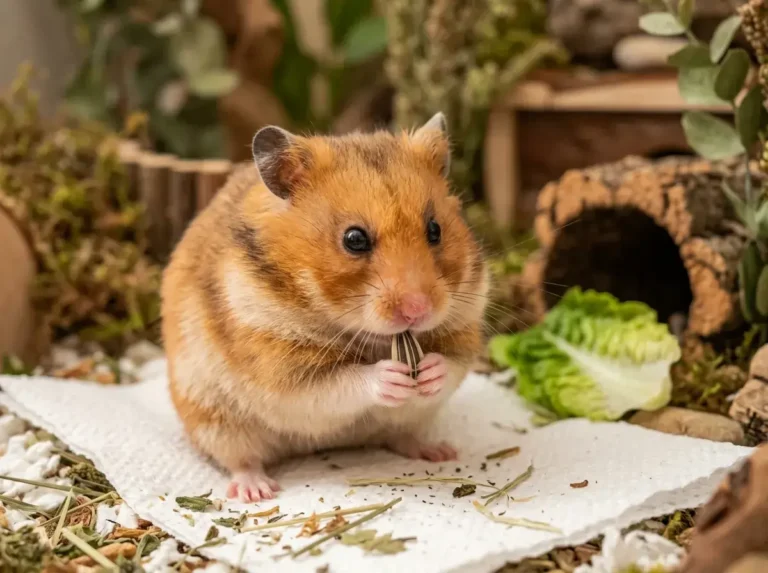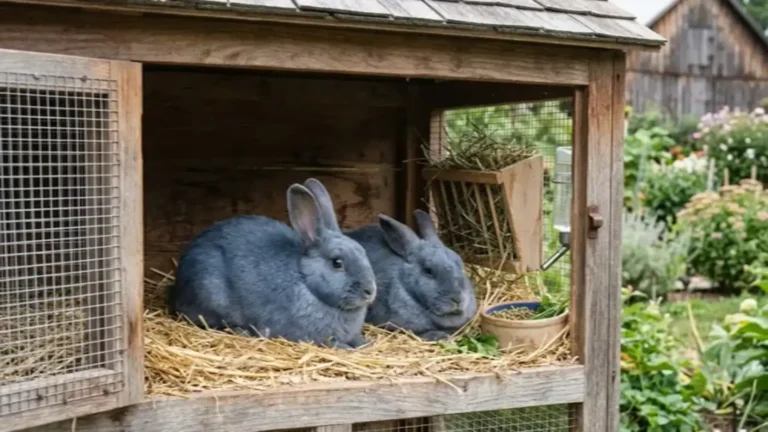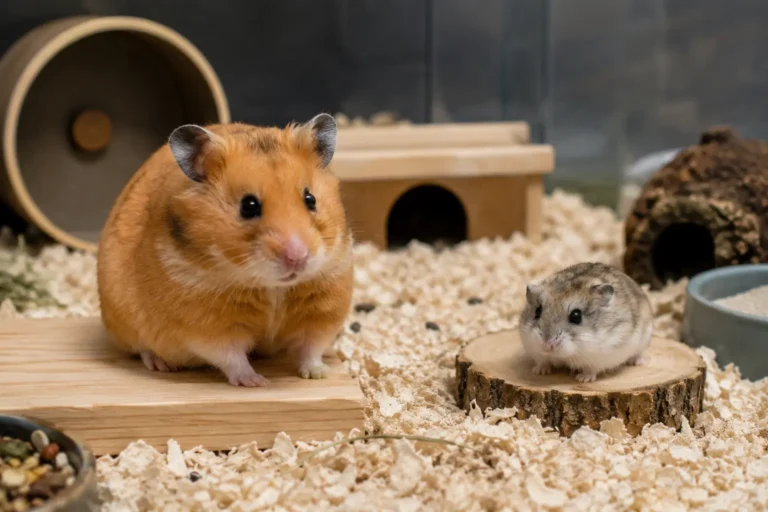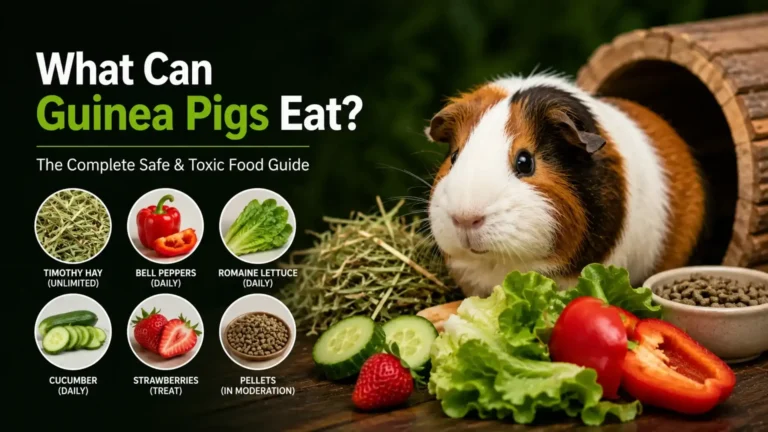

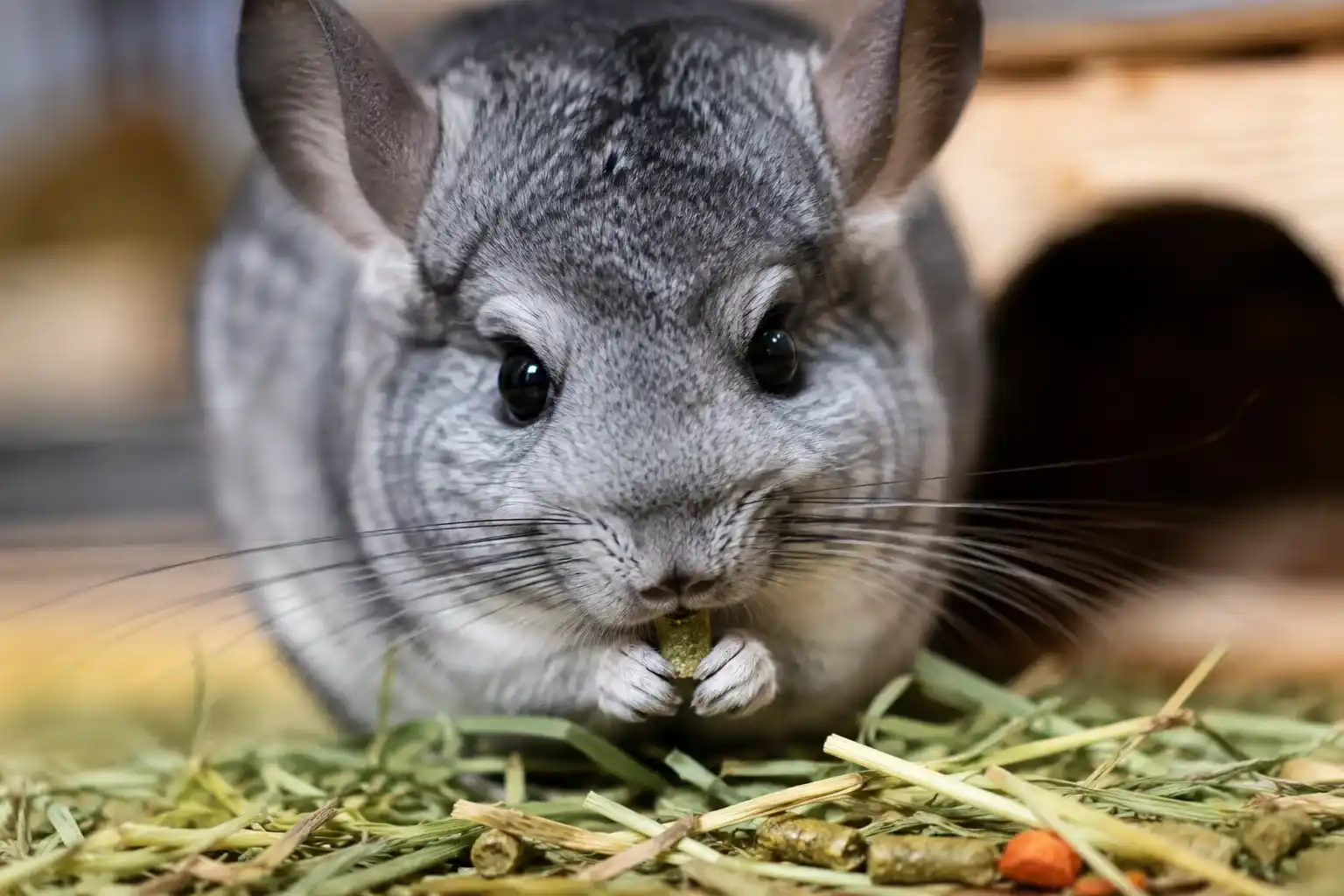
You might notice your chinchilla spends a large portion of the day chewing. That constant nibbling happens for a good reason. Their digestive tract is delicate. It requires continuous roughage to prevent blockages and maintain gut movement. Observing their eating habits helps catch potential health issues early before they escalate.
Understanding what do chinchillas eat takes the guesswork out of daily meal prep. The foundation relies on an endless supply of grass hay. Quality plain pellets provide necessary fortification. Clean water and the occasional safe snack finish off their dietary requirements.
This guide covers proper portion sizes, reliable feeding schedules, and appropriate food choices. You will learn the correct meal ratios to support a long, active lifespan. For a complete overview of their housing and daily needs, read our full Chinchilla Care Guide.
Key Takeaways
- A steady supply of grass hay forms the foundation of their meals, providing required roughage to keep the gut moving and teeth filed.
- Plain green pellets deliver baseline nutrition in small daily portions, keeping the diet balanced without the risks of sugary seed blends.
- Clean drinking water from a heavy glass bottle supports digestion while keeping their dense coat dry.
- Natural snacks like dried rosehips or plain wood branches serve as safe rewards that protect digestive bacteria.
Understanding the Chinchilla Digestive System
Learning exactly what do chinchillas eat requires looking at their unique biology. One thing many first-time owners notice is how slowly chinchillas eat. Those tiny bites aren’t picky behavior; they’re exactly how a healthy digestive system is designed to work. Their bodies function as hindgut fermenters. They break down tough plant material late in the digestive process.
Constant grazing acts as a motor for their gastrointestinal tract. Fresh bites push older food forward. This constant movement prevents blockages. A still gut creates serious health risks.
All that chewing handles another physical requirement. Chinchilla teeth grow their whole life. Grinding coarse grass fibers files those teeth to a safe length. Lacking that friction causes overgrown teeth. Overgrown teeth lead to pain and stop the pet from eating at all.
Veterinarians advise a standard ratio to maintain this internal balance. The daily food intake needs to be 80 percent grass hay. Quality plain pellets make up the remaining 20 percent. You can offer safe treats in trace amounts.
Following these proportions keeps the gut active. It provides the exact fiber levels needed for good health.
Table 1: The Chinchilla Diet Breakdown
| Food Component | Ideal Diet Percentage | Primary Health Purpose |
| Grass Hay | 80% | Keeps the gastrointestinal tract moving and files down teeth |
| Plain Pellets | 20% | Delivers necessary vitamins and baseline nutrition |
| Safe Treats | Trace amounts | Encourages natural foraging behavior |
The Core Components of a Chinchilla’s Diet
When breaking down what do chinchillas eat, peeking into a well-maintained cage shows the exact daily setup required to prevent a digestive standstill. You will see a large pile of dry grass and a heavy bowl of formed green bites. These two items make up the foundation of their daily meals.
A balanced chinchilla diet relies on this stable combination. The dry grass provides necessary bulk. The uniform green bites deliver baseline vitamins. Feeding a chinchilla requires keeping these two staples stocked at all times. They provide the right mix of fiber and nutrients for long-term health.
Unlimited Grass Hay: The Crucial 80%
If you ask what do chinchillas eat most frequently, dry grass makes up the bulk of their meals. They spend hours pulling strands from their rack. This continuous chewing mimics natural foraging habits.
Every mouthful of hay supports two systems at once: the teeth and the digestive tract. The rough texture of the dried grass acts like a file. It grinds against their teeth with every bite. Chinchilla teeth grow throughout their entire life. This daily friction stops those teeth from getting too long. Overgrown teeth cause significant pain and stop the animal from eating.
Once swallowed, the dry grass moves through the digestive tract. The long fibers push other food materials along. This steady movement prevents a dangerous condition known as GI stasis. When the gut stops moving, gas builds up fast. Keeping the digestive tract full of bulky fiber acts as a natural defense against this issue.
Provide unlimited access to fresh hay all day and night. A generous pile should sit in the enclosure at all times. Many owners mistake this for wasted hay, but it’s perfectly normal. Chinchillas naturally sort through strands before choosing their favorites.
You might notice them favoring the soft tops and leaving the thick stalks. Add a fresh handful twice a day to encourage more eating. Running out of hay forces them to stop chewing. A break in chewing disrupts their digestion. While grass hay is essential, the nutritional profiles vary by type.
Veterinarian Insight
Consistent intake of coarse grass fibers is non-negotiable for hindgut fermenters. Without continuous roughage, the intestinal tract stalls, and dental roots begin to overgrow.
High-Quality Pellets: The Nutritional 20%
Determining what do chinchillaseat for baseline nutrition means ignoring bright marketing to protect their delicate gut bacteria.
Look at the small animal aisle in a pet shop. You will find several options for a daily chinchilla diet. A quality chinchilla pellet looks rather boring. Every piece in the bag looks identical. These plain green cylinders pack dense amounts of dietary fiber.
Manufacturers build them on a foundation of either alfalfa grass or timothy grass. This straightforward recipe delivers the required baseline nutrition without overwhelming their digestion.
Next to the plain bags, you will spot colorful blends. Pet shops label these as fiesta mixes. These bags contain regular pellets mixed with seeds.
You might also find rolled oats and pieces of dried fruit inside. Pass on these blended bags. Chinchillas have a sweet tooth. They dig through the dish to pick out the sugary bits. The healthy green pieces get tossed aside. This selective eating ruins their balanced diet. It leads to rapid weight gain. The fat content in seeds is too rich for their system to handle. Sticking to plain uniform bites prevents this sorting behavior.
Serving these plain bites takes little effort. Use a heavy ceramic bowl to prevent tipping. A standard serving falls around one to two tablespoons per day. A growing pet needs closer to two tablespoons to support their development. An adult maintaining a stable weight does fine with a single tablespoon.
Monitor the food dish over a few days. Adjust the volume based on what they finish in a single day. Dump out any crushed powder at the bottom of the dish before adding fresh food. Keeping the portion small guarantees they remain hungry enough to eat coarse strands from their hay rack.
Hydration: Providing Fresh Water
Eating large amounts of dry grass makes a chinchilla thirsty. They require constant access to fresh drinking water to help process that fiber. water to help process that roughage. Fluid keeps the ingested food moving forward through the gut. A dry digestive tract stalls, creating health risks.
You will find several water container options at the pet supply store. Open bowls might seem appealing at first glance. A chinchilla has a dense coat. Splashing water from a dish gets trapped deep against their skin. Damp fur creates an ideal environment for fungal infections to develop. Hanging a closed water bottle keeps their coat safe and dry.
It’s always good to check the bottle materials before making a purchase. Pet supply shelves hold rows of thin plastic dispensers. A chinchilla views plastic as an interesting chew toy. Sharp teeth puncture thin plastic sides in hours, causing messy leaks.
A heavy glass bottle with a metal spout offers a reliable solution. Thick glass withstands constant gnawing attempts.
The water inside requires daily attention. Stagnant fluids develop a slick bacterial film. Empty the glass container every morning. Refill it with fresh drinking water from the tap. Pay attention to the metal nozzle during this process.
Crushed food particles stick to the drinking tube while they drink. Scrub the metal tip with a small brush to remove hidden buildup.
This daily washing routine stops harmful bacteria from growing inside the spout. Tap the metal ball bearing with your finger after filling the bottle. This quick test confirms water flows out without obstruction.
Healthy Treats: The 10% Rule
Offering a small snack helps build trust. A chinchilla will learn to approach the cage doors for a tasty reward. Hand-feeding a snack encourages a shy animal to tolerate your presence. They will take the item and sit back on their hind legs to eat it.
Keeping these rewards tiny protects their digestion. The bulk of their meals remains dry grass and plain, formed bites. Treats should make up a tiny fraction of their overall food intake. Limiting portions prevents harmful disruptions in their sensitive gut flora.
Walk past the bright yogurt drops at the pet shop. Those commercial items cause health problems. Look for natural plant-based options instead:
- Dried rosehips: These offer a safe, crunchy reward with a texture they enjoy.
- Dried herbs: A small pinch of dried calendula blossoms provides a pleasant taste variation.
- Plain apple wood sticks: These natural branches serve a dual purpose. They taste appealing while providing a tough surface for gnawing.
Giving snacks requires careful portion control. Handing over one single item per day is plenty. Overfeeding snacks ruins their appetite for the required hay. required roughage. Their bodies lack the physical ability to process rich or sweet foods.
Chinchillas are highly sensitive to sugar. Before feeding any fresh produce, consult our safety checklist: Can Chinchillas Eat Fruit? Safe & Unsafe Foods List.
Veterinarian Insight
Excess sugar alters the required bacterial balance within a chinchilla’s hindgut. Fermenting sweet foods causes rapid gas accumulation that stops gastrointestinal movement.
Establishing a Chinchilla Feeding Schedule
Most of the enclosure stays quiet during the afternoon because chinchillas naturally sleep through much of the day. Their activity spikes twice a day. They wake up early in the morning and become active again as the sun goes down. This specific sleep cycle means they are crepuscular. Matching meal times to these waking hours keeps their digestive system running well.
Creating a reliable routine requires dividing tasks between dawn and dusk:
- Morning Prep: Dump stale water from the glass bottle and scrub the metal nozzle. Fill it with fresh tap water. Check the hay rack next. Remove soiled or damp pieces from the bottom. Pack the rack full of fresh grass strands. A full rack gives them plenty to sort through.
- Mid-Day Rest: Leave the enclosure quiet while they sleep. They will wake up for short periods. You will hear them grab a quick bite of dry grass before going right back to sleep. Constant access to chewing material supports these brief waking moments.
- Evening Meals: The sun going down signals their main feeding event. They wake up ready to eat. Measure out the proper ratio of plain pellets into their heavy ceramic bowl. They will alternate between chewing pellets and pulling fresh hay.
- Interaction Time: Hand over the single daily treat right after serving the pellets. Offering the snack during the evening block encourages them to approach the cage doors. It builds a routine where they anticipate your presence.
Following a set timetable brings predictability to their day. They learn when to expect fresh food. You will spot them waiting by the food dish at the correct time.
Table 2: Daily Feeding Schedule
| Time of Day | Caretaker Action | Dietary Rationale |
| Morning | Wash bottle, refill water, restock grass hay | Supports hydration and provides roughage for mid-day snacking |
| Afternoon | No action required | Accommodates their natural sleeping hours |
| Early Evening | Serve measured pellets, offer one safe treat | Delivers baseline nutrition when they are active and hungry |
Diet-Related Health Risks to Monitor
Diet mistakes show up fast because a chinchilla’s teeth and digestive tract react to poor food choices in a matter of days. Skipping coarse chewing material leads to dental malocclusion, where overgrown teeth cut into the inside of the mouth. A diet low in fiber brings the gut to a halt. The resulting stomach bloating creates a dangerous standstill known as GI stasis.
You can catch these issues early by watching their daily waste. Healthy chinchilla droppings look like plump, uniform ovals. They produce a large amount of waste every day. A sudden drop in the number of pellets signals a digestive slowdown. Watch for changes in shape. Tiny or misshapen droppings indicate a lack of fiber. Soft waste points to an upset gut flora.
Monitoring the cage floor takes only a minute during your morning routine. A healthy gut produces consistent waste. Any variation requires your attention.
For a complete list of symptoms and veterinary urgency levels, read our full guide on Common Chinchilla Health Problems Every Owner Should Know.
How to Safely Transition to a New Diet
Changing food is one of the few times a healthy digestive system can become unstable almost overnight. The beneficial bacteria living in the gut need time to adjust, so abrupt diet changes often lead to gas, loose droppings, and digestive upset.
Moving a chinchilla to a better pellet brand requires a measured approach. You will blend the old bag with the new bag. Mixing the two foods over four weeks gives their system time to adjust. Start by offering a large portion of the familiar food with a small amount of the new bites. Shift the balance every seven days.
Follow a set schedule to keep their digestion stable throughout the process.
Table3:4-Week Safe Diet Transition Timeline
| Week | Old Pellet Ratio | New Pellet Ratio |
| Week 1 | 75% | 25% |
| Week 2 | 50% | 50% |
| Week 3 | 25% | 75% |
| Week 4 | 0% | 100% |
Veterinarian Insight
Monitor fecal output during any food change. If droppings turn soft or decrease in volume, pause the transition and return to the previous ratio until normal digestion resumes.
Frequently Asked Questions (FAQs)
Sorting through pet supply shelves brings up valid questions about what do chinchillas eat daily. These common concerns cover the realities of daily feeding and what items belong in the enclosure.