
Proper rabbit housing shapes the daily rhythm of life for a pet. An ideal living environment provides the space required for natural movement alongside the safety needed for restful downtime. A well-planned rabbit enclosure supports long-term physical health and mental welfare.
For many owners, the goal isn’t simply providing a cage; it’s creating a home where their rabbit feels safe enough to rest, explore, and express natural behaviors every day. A well-designed enclosure also includes structural enrichment, such as a secure hideout and a functional litter box. The enclosure should connect to a secure exercise pen that provides additional room for daily exercise.
Many store-bought cages fall short of these practical needs. They restrict necessary behaviors and limit routine exercise. This rabbit housing guide outlines practical steps for creating a safe, enriching rabbit habitat. While a broader Rabbit Care Guide addresses overarching dietary or medical routines, understanding spatial requirements is the foundation of a well-designed rabbit home.
Exploring different housing arrangements prevents common setup errors. The following sections examine how spatial organization improves welfare while encouraging active exploration. Whether you’re setting up a home for a new rabbit or improving an existing enclosure, these principles will help you create a safer and more comfortable living space.
Why Proper Rabbit Housing Matters
The structure of a rabbit habitat directly influences physical conditioning and daily habits. An appropriate rabbit enclosure addresses fundamental requirements for territory, hygiene, and ventilation, shaping a foundation for long-term health.
Supports Physical Health
Adequate space allows continuous freedom of movement throughout the day. This regular activity sustains muscle development and supports healthy joints as the rabbit navigates its territory.
A spacious rabbit housing setup encourages hopping and stretching, actions that keep the digestive system moving well. Without unrestricted movement, physical deterioration becomes a prominent risk. Access to a designated exercise pen ensures the body functions well. Good ventilation prevents respiratory strain, while an open layout accommodates the active lifestyle required for ongoing welfare.
Promotes Mental Well-Being
Rabbits naturally spend much of their day exploring, investigating, and looking for places to hide, so their home should encourage those behaviors. Given enough room, most rabbits instinctively explore every corner instead of staying in one place.
A simple hideout often becomes one of the most frequently used spots because rabbits instinctively seek secure places to rest. This mental engagement reduces boredom and lowers environmental stress. A well-planned setup provides distinct zones for resting and playing to keep the environment stimulating. Variety in the daily surroundings satisfies instinctual needs to investigate.
Improves Safety and Security
Many owners underestimate how quickly a curious rabbit can reach electrical cords, furniture gaps, or other household hazards. A sturdy framework establishes a reliable boundary to keep the animal away from dangerous objects.
Beyond physical safety, a dedicated enclosure offers a quiet resting area where the animal feels secure from loud noises or sudden movements. This predictable retreat establishes a safe baseline for restful downtime.
Makes Daily Care Easier
A well-organized enclosure usually takes much less time to clean than one where everything is placed together. Placing a hay rack next to the litter box contains the mess, while an accessible water bowl makes feeding efficient. Keeping feeding, sleeping, and toilet areas separate makes every day cleaning noticeably easier.
Veterinary Insight
Veterinarians for rabbits consistently recommend housing that allows regular movement throughout the day. Long-term confinement in undersized enclosures increases the risk of obesity, sore hocks, reduced muscle tone, digestive slowdown, and stress-related behaviors.
Table 1: Essential Features of a Healthy Rabbit Housing Setup
| Feature | Why It Matters | Minimum Recommendation |
| Secure Hideout | Provides a stress-free resting zone | One enclosed box per animal |
| Litter Box | Maintains hygiene and contains waste | Accessible at all times |
| Hay Rack | Encourages foraging and clean eating | Sized to hold a full daily supply |
| Water Bowl | Facilitates natural drinking posture | Heavy ceramic dish to prevent tipping |
Indoor vs Outdoor Rabbit Housing
The choice between indoor and outdoor housing affects daily routines and companionship. Both approaches require planning to provide proper enrichment and safe boundaries while managing specific environmental risks.
Indoor Rabbit Housing
Indoor rabbit housing offers clear advantages for daily companionship. Sharing a living space facilitates stronger human interaction throughout the day. A stable interior environment provides better climate control alongside consistent ventilation. Living indoors makes it easier to notice subtle changes in appetite, droppings, or activity before they become bigger problems. An interior setup also delivers greater protection from predators.
Relying on indoor spaces brings specific limitations. A household interior requires thorough rabbit-proofing to protect wires and furniture. Even with an open layout, a confined interior setup needs a dedicated exercise pen to ensure adequate daily movement.
Outdoor Rabbit Housing
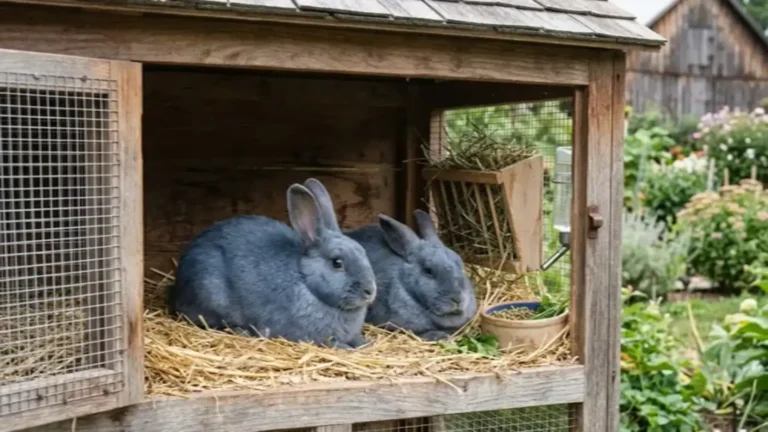
Outdoor rabbit enclosures provide a different set of benefits. Outdoor setups often offer more room to run, dig, and explore than most indoor spaces can provide. The constant supply of fresh air and natural stimulation keeps the animal engaged with its surroundings. An outdoor rabbit shed can accommodate a more extensive footprint than most interior rooms.
Exterior housing introduces significant environmental hurdles. Managing a safe habitat requires attention to weather patterns and seasonal challenges. Relying on an insulated hutch provides baseline shelter. Weather can change much faster than many owners expect, so outdoor housing requires daily monitoring rather than occasional checks.
The presence of wildlife necessitates predator-proof mesh to secure the boundary. Keeping an animal outside demands increased supervision to prevent isolation and maintain regular contact.
Which Housing Option Is Best?
The right choice between an indoor and outdoor environment depends on a few practical factors.
- Regional climate plays a major role in determining if an exterior setup remains safe.
- Available space dictates whether an interior room or a backyard makes more sense.
- Personal commitment determines the level of daily supervision a household can provide.
Whether the habitat sits inside or outside, the environment requires ongoing enrichment to sustain mental welfare. A successful habitat aligns practical household realities with the fundamental needs of the pet. Neither option is inherently superior. The optimal setup balances space with safety.
Veterinary Perspective
Veterinarians generally consider indoor housing safer for companion rabbits because it provides better protection from weather extremes, predators, and many infectious hazards. Regardless of location, every rabbit still needs adequate exercise and environmental enrichment to maintain physical and behavioral health.
Table 2: Indoor vs Outdoor Rabbit Housing Comparison
| Factor | Indoor | Outdoor |
| Climate Control | Easier to maintain stable temperatures | Requires intervention for seasonal changes |
| Predator Risk | Lower risk | Requires predator-proof mesh and strong locks |
| Space Availability | Limited by room size and layout | Often accommodates a larger footprint |
| Supervision | Natural integration into daily routines | Demands intentional visits and monitoring |
Choosing the Right Rabbit Enclosure
The right rabbit enclosure shapes the daily experience of both pet and household. Evaluating the different structural designs helps establish a practical rabbit habitat that meets spatial requirements without overwhelming the available room.
Traditional Rabbit Cages
A standard rabbit cage provides a secure base for short-term needs. These structures offer a defined space to recover from medical procedures or to secure a pet during household cleaning. Their rigid design limits long-term movement.
Relying on a traditional wire base restricts hopping and standing upright, leading to physical decline. Many cages sold for rabbits work well for short-term confinement but are too small for everyday living. Connecting this base to a larger perimeter provides the necessary roaming space for daily activity.
Exercise Pens
Exercise pens have become a favorite among experienced rabbit owners because they combine safety with generous living space. Using a metal X-pen or a sturdy puppy playpen creates a wide, accessible rabbit pen. These frameworks rely on interconnected modular panels, allowing households to shape the footprint around existing room features.
This design offers an expandable living area that adapts to changing spatial constraints. A modular enclosure provides excellent baseline ventilation while keeping the animal integrated into the daily routine. Adjusting the perimeter takes minimal effort, accommodating quick changes in the living space.
Rabbits are noticeably more active when they have enough uninterrupted floor space for hopping and stretching.
Rabbit Condos
A rabbit condo utilizes vertical space to increase the total living footprint. This multi-level housing approach benefits households struggling with limited floor plans. Vertical expansion creates distinct platforms for eating, resting, and observing. Ensuring good accessibility requires sturdy, low-incline ramps to prevent slipping between the different tiers.
A well-constructed tiered structure secures the animal while maximizing the usable room volume. Stacking these functional zones keeps the waste area separated from fresh food stations. This specific enclosure suits environments where broad horizontal expansion remains difficult to achieve, offering varied movement opportunities within a compact base.
Free-Roam Rabbit Housing
Free-roam rabbit housing mimics the daily life of a standard domestic pet. This setup eliminates physical barriers, promoting continuous physical activity and deep social integration within the home. Adopting this open approach demands consistent household responsibilities. Operating without a confined perimeter requires securing every potential hazard across the shared living space.
Everyday safety considerations include blocking off tight gaps under furniture and managing floor-level access to household goods. Maintaining this lifestyle requires constant vigilance to prevent accidental damage or injury. While offering maximum physical freedom, this arrangement means the entire room functions as the primary enclosure.
Table 3: Common Rabbit Enclosure Types
| Housing Type | Best For | Advantages | Limitations |
| Traditional Cage | Temporary confinement | Secure and easy to move | Insufficient space for long-term living |
| Exercise Pen | Flexible indoor habitats | Expandable and provides good ventilation | Requires adequate floor space |
| Rabbit Condo | Smaller homes and apartments | Maximizes vertical space | Ramps can pose mobility challenges |
| Free-Roam | Dedicated, supervised environments | Maximum physical freedom | Demands rigorous household hazard management |
Rabbit Cage Size and Space Requirements
Rabbit cage size establishes the baseline for daily physical activity. Unrestricted movement prevents physical stagnation and supports long-term health.
Why Cage Size Matters
A spacious permanent enclosure lowers environmental stress by accommodating natural behaviors. Rabbits confined to small spaces often become less active or develop repetitive behaviors that signal frustration. Ample room provides the necessary footprint for foraging and resting without feeling trapped.
Evaluating rabbit space requirements focuses on observing routine behaviors rather than forcing a specific layout. Consistent mobility ensures good digestion while maintaining physical condition.
General Space Recommendations
A suitable rabbit enclosure size depends on the rabbit’s physical capabilities rather than enforcing numerical rules. The living space should allow the animal to execute hopping multiple times in a single direction without hitting a barrier. A proper setup provides enough floor area for stretching fully during rest.
Vertical height remains equally important. The roof needs to accommodate standing upright on hind legs without ears brushing the top wire. A practical layout maintains distinct zones to separate eating spaces from resting spots and toilet areas. Placing a litter box near a hay feeder should not crowd the secure hideout.
Skip rigid measurements here, as those specific details belong in a dedicated Rabbit Cage Size Guide. Focus instead on whether the current footprint sustains basic physical motions. If your rabbit can move freely, stretch comfortably, and chooses to explore rather than remain inactive, you’re generally moving in the right direction
Daily Exercise Beyond the Enclosure
Even a large enclosure cannot fully replace the physical and mental benefits of supervised time outside it. A large footprint provides a comfortable baseline, but roaming through broader spaces stimulates the mind while strengthening the body.
The relationship between enclosure size and out-of-cage exercise remains connected. A smaller base requires more frequent access to open rooms. A larger pen provides more independence. Consistent movement across different surfaces keeps the animal engaged.
Signs the Enclosure Is Too Small
Rabbits usually show when they’ve outgrown their enclosure through changes in their daily behavior. Reduced activity or persistent restlessness signals spatial frustration. Repetitive behaviors indicate a lack of adequate stimulation. Experiencing difficulty stretching out during naps points to cramped conditions.
Poor organization of living areas, where food items spill into waste zones, suggests the footprint cannot hold the essential supplies. Recognizing these signs helps adjust the habitat early.
Veterinary Insight
Adequate enclosure space is a welfare requirement, not a luxury. Veterinarians emphasize that daily exercise should supplement a spacious enclosure rather than compensate for one that restricts normal movement.
Table 4: Signs Your Rabbit Needs More Living Space
| Sign | Possible Cause | Suggested Improvement |
| Constant bar biting | Lack of stimulation | Provide a larger exercise pen |
| Soiled resting areas | Inadequate floor space | Upgrade to a wider footprint |
| Inability to stand up | Low enclosure height | Switch to taller modular panels |
Rabbit Housing Flooring and Bedding
The ground layer of a rabbit habitat must balance hygiene with foot health. Proper material selection prevents injuries and encourages active exploration.
Choosing Safe Flooring
- Installing stable, non-slip surfaces encourages natural movement. A lack of secure footing causes hesitation during active moments.
- Slippery floors disrupt activity, making steady traction necessary for hopping safely.
- Soft but supportive bases, like washable rugs or woven grass mats, protect delicate feet across active exercise zones and primary resting areas.
- Keeping the surfaces well-maintained preserves overall hygiene across the entire habitat.
Selecting Suitable Bedding
- Suitable bedding transforms a bare space into a comfortable resting area.
- Focus on dust-free materials to protect sensitive airways during routine nesting behaviors.
- Good absorbency provides necessary moisture control near the litter box.
- Layering fresh hay or soft paper-based bedding ensures a clean nesting area that allows for easy replacement.
- Use materials that allow for easy replacement during daily upkeep.
- Layering a soft fleece blanket over a waterproof base provides necessary insulation against cold floors.
Materials to Avoid
- Skip excessively dusty materials that cause respiratory irritation when animals dig or burrow through their resting spots.
- Sharp or abrasive surfaces wear down the protective fur on the feet. Constant friction from rough textures leads to painful skin issues.
- Strongly scented products disrupt the natural environment, while bedding that retains excessive moisture degrades overall habitat hygiene.
Veterinary Insight
Rabbit veterinarians recommend clean, dry, supportive flooring to help prevent sore hocks and other foot problems. Damp, abrasive, or poorly maintained surfaces increase the likelihood of skin irritation, especially in rabbits that spend extended periods inside their enclosure.
Table 5: Characteristics of Good Rabbit Flooring and Bedding
| Feature | Why It Matters | Ideal Characteristic |
| Traction | Prevents slipping during movement | Textured surfaces like grass mats |
| Absorbency | Maintains moisture control near waste areas | Paper-based bedding |
| Cushioning | Protects feet from hard floors | Washable rugs or fleece blankets |
Organizing the Rabbit Enclosure
A proper rabbit enclosure setup shapes the rabbit’s daily rhythm. Thoughtful organization separates essential activities to maintain a sanitary and engaging habitat. Structuring the physical space supports broader health, nutrition, and general care routines.
Creating Separate Activity Zones
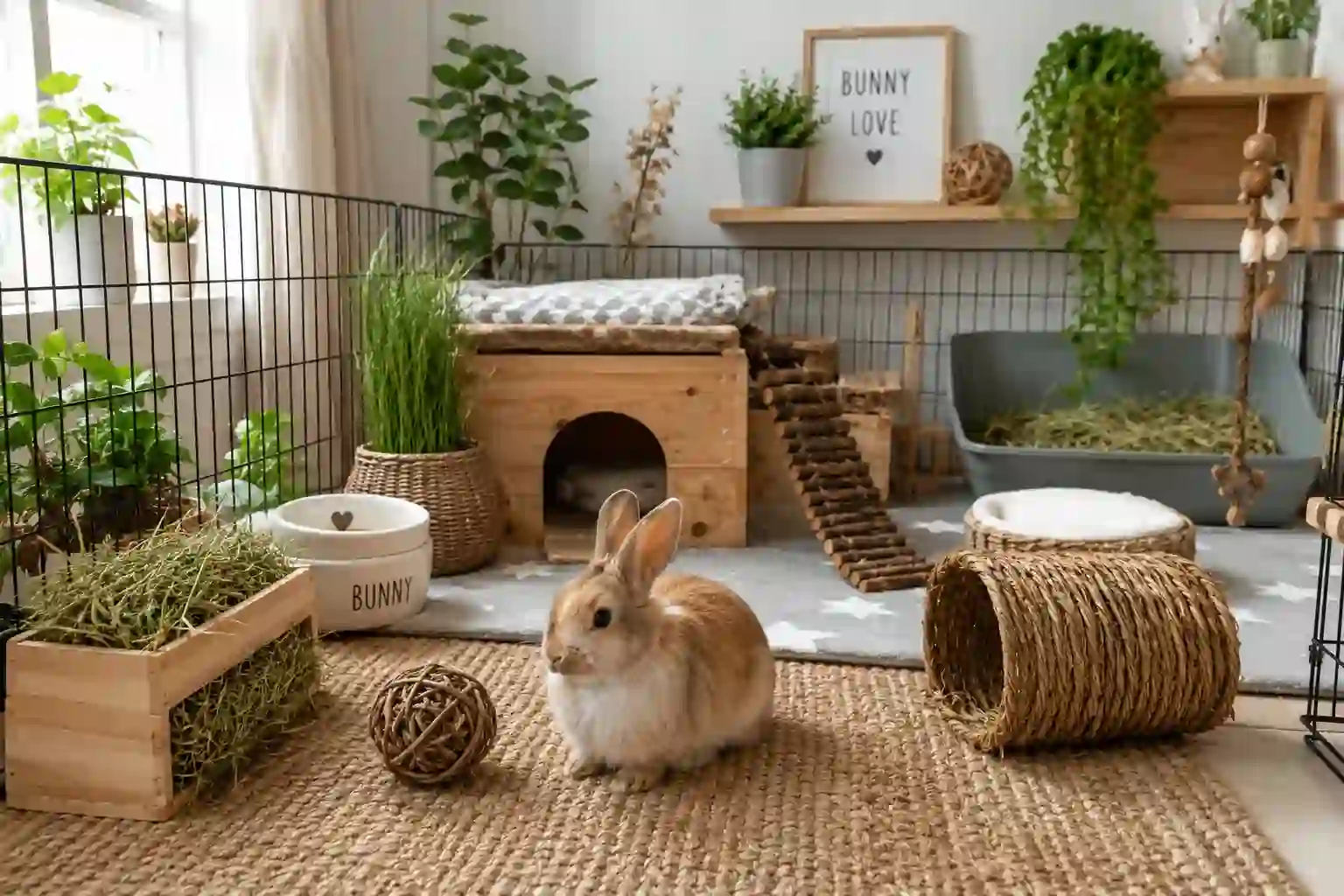
A functional rabbit habitat layout divides the available footprint into distinct sections. Separating the toilet area from the feeding area prevents an ongoing mess. A successful rabbit cage setup features a dedicated resting zone situated away from the primary litter box. Leaving the center floor open creates necessary movement space for stretching and hopping. This clear organization provides routine predictability.
Providing Hiding Spaces
Adding a sturdy hide house establishes a secure retreat. Enclosed structures offer essential security when unexpected noises startle the pet. Having a designated shelter lowers environmental stress by providing a quiet resting place. Animals retreat to these shadowed corners to sleep without disruption. Placing the hideout in a low-traffic area maximizes its calming effect.
Keeping Food and Water Accessible
Where food and water are placed can make a surprising difference in how clean and practical the enclosure stays. Positioning the hay rack and water bowl near the perimeter provides easy daily access for quick refilling. Clean placement keeps these vital resources away from waste zones to prevent contamination. Elevating the hay slightly off the floor stops dampness from ruining the food supply. Placing safe chew toys nearby adds localized enrichment around the primary feeding area.
Proper housing and proper nutrition go hand in hand, so make sure fresh hay, clean water, and appropriate daily foods remain consistently available as outlined in our Rabbit Diet Guide.
Table 6: Example Layout for a Rabbit Enclosure
| Area | Purpose | Placement Tips |
| Feeding Station | Provides daily meals | Position the hay rack near the perimeter |
| Resting Zone | Offers a secure sleep space | Place the hide house in a quiet corner |
| Toilet Area | Contains daily waste | Keep the litter box separate from water sources |
| Open Floor | Enables active movement | Leave the central footprint unobstructed |
Keeping Rabbit Housing Clean
A clean rabbit enclosure depends on practical daily habits. Consistent spot cleaning stops messes from accumulating across the main floor. Managing these minor tasks sustains everyday rabbit housing hygiene without requiring overwhelming effort.
Daily Maintenance
- Remove visible waste from the open movement zones.
- Check the primary resting spots to replace soiled bedding.
- Empty and refresh the water bowl to ensure safe hydration.
- Clear the feeding station by pulling old strands from the hay feeder.
- Address the litter box by removing wet patches, leaving the larger base intact
This daily maintenance preserves good ventilation and keeps the habitat functional throughout the week.
Weekly Cleaning
A broader approach to sanitation happens every seven days. Rabbit cage cleaning involves:
- Wiping down the primary surfaces to remove sticky residue.
- Refresh the enclosure by swapping out the old ground cover for fresh materials. Inspect structural accessories to ensure everything remains secure.
- Check the plastic bases for hidden cracks.
- Wash the feeding stations to remove lingering dust.
These weekly steps bridge the gap between daily upkeep and eventual deep cleaning. Washing the hard surfaces prevents grime buildup. This regular reset restores the baseline environment.
Common Cleaning Mistakes
Routine upkeep sometimes involves subtle errors.
- Relying on products with strong chemical odors irritates sensitive respiratory systems. Masking smells rather than practicing genuine odor control creates an uncomfortable environment.
- Leaving damp bedding in the corners degrades the flooring and compromises the living space.
- Skipping routine maintenance allows minor messes to turn into stubborn stains.
Delaying these daily tasks makes the required effort much harder. Focus on consistent habits rather than harsh interventions. Maintaining an organized routine prevents physical deterioration of the enclosure materials.
Common Rabbit Housing Mistakes to Avoid
Recognizing common rabbit housing mistakes prevents long-term frustration. Addressing standard rabbit enclosure mistakes improves the daily routine without requiring constant adjustments. Avoiding these frequent rabbit care mistakes creates a better living space:
- Choosing a Cage That’s Too Small: Buying an undersized setup restricts movement. A cramped footprint prevents natural stretching, which leads to physical stiffness. Expanding the base accommodates necessary daily activity.
- Ignoring Daily Exercise: Relying on the enclosure alone for physical activity limits mobility. Leaving a pet confined all day causes boredom. Providing supervised floor time beyond the gates sustains physical conditioning.
- Poor Ventilation and Hygiene: Placing the habitat in a stagnant corner degrades air quality. Allowing waste to sit untouched creates strong odors. Securing good airflow alongside regular waste removal maintains a sanitary room.
- Lack of Mental Stimulation: Without things to chew, explore, or investigate, many rabbits eventually create their own entertainment, often by chewing household items.
Table 7: Rabbit Housing Mistakes and Better Alternatives
| Common Mistake | Why It’s a Problem | Better Alternative |
| Selecting an undersized footprint | Prevents natural stretching | Set up an expandable modular pen |
| Withholding out-of-cage time | Causes physical stagnation | Provide supervised room exploration |
| Ignoring baseline sanitation | Irritates sensitive airways | Establish a reliable spot-cleaning routine |
| Providing a bare environment | Creates persistent boredom | Introduce functional chew items |
FAQs About Rabbit Housing
Understanding common questions about rabbit housing clarifies everyday care requirements.
What is the best type of housing for a rabbit?
The best setup provides adequate space and reliable ventilation within a secure perimeter. A functional layout prioritizes safety while offering consistent opportunities for daily exercise.
Can rabbits live in a cage all day?
Rabbits cannot spend the entire day confined to a single cage. They require regular exercise outside their primary boundaries to maintain physical conditioning.
Should rabbits be kept indoors or outdoors?
Indoor environments offer better climate control and closer social interaction. Outdoor setups provide fresh air but demand strict protection from weather and local predators.
What should every rabbit enclosure include?
A functional space needs a secure hideout, along with constant access to fresh hay and clean drinking water. The habitat requires a dedicated litter area and a comfortable resting space. It must also provide enough room to move freely.
How often should a rabbit enclosure be cleaned?
Maintaining good hygiene requires brief daily spot cleaning to remove surface waste. This routine pairs well with regular deep cleanings to clean hard surfaces and refresh the entire environment.
What flooring is safest for rabbits?
Safe surfaces provide solid traction to prevent slipping. The ground layer must remain dry and offer enough cushion to protect delicate feet from chronic irritation.
How much space does a rabbit need?
A proper living footprint allows the animal to stand upright without touching the roof. The base area should accommodate stretching fully while resting. It must also permit hopping comfortably across the floor.
Can rabbits be free-roam pets?
Many rabbits thrive as free-roam pets within a household. This lifestyle works well when the shared space undergoes thorough rabbit-proofing and receives adequate daily supervision.
Conclusion
Building a proper rabbit habitat requires looking beyond the basic wire structure. Establishing a functional living environment means evaluating space and comfort as integrated parts of daily care. Prioritizing safety alongside smart organization makes ongoing maintenance much easier to sustain.
Small improvements to a rabbit’s living space often have a lasting impact on its comfort, confidence, and overall quality of life, making every thoughtful adjustment worthwhile.
To continue improving your rabbit’s living environment, explore our guides on rabbit diet, rabbit cage size, rabbit bedding, rabbit litter box setup, rabbit-proofing your home, and cleaning rabbit enclosures for more detailed advice on each topic.
References
- Pet Rabbit Care Guide for Beginners (Housing, Diet & Behavior). https://pawshatch.com/pet-rabbit-care-guide/
- What Do Rabbits Eat Daily? Complete Feeding Schedule & Diet Guide. https://pawshatch.com/what-do-rabbits-eat/