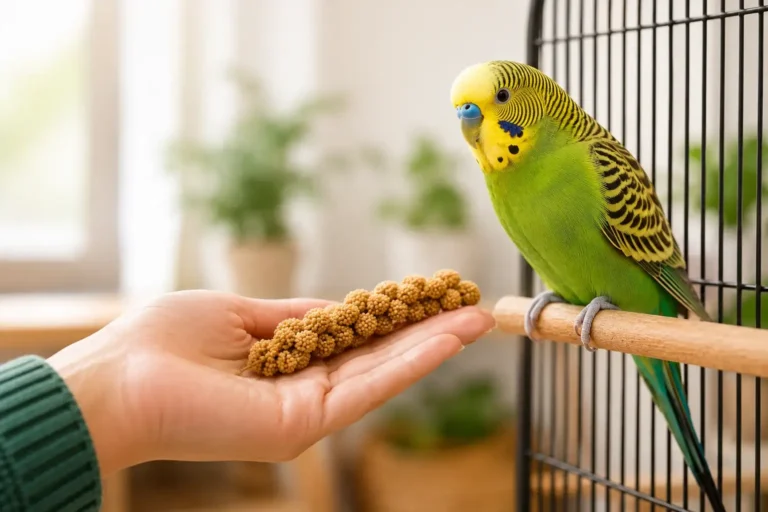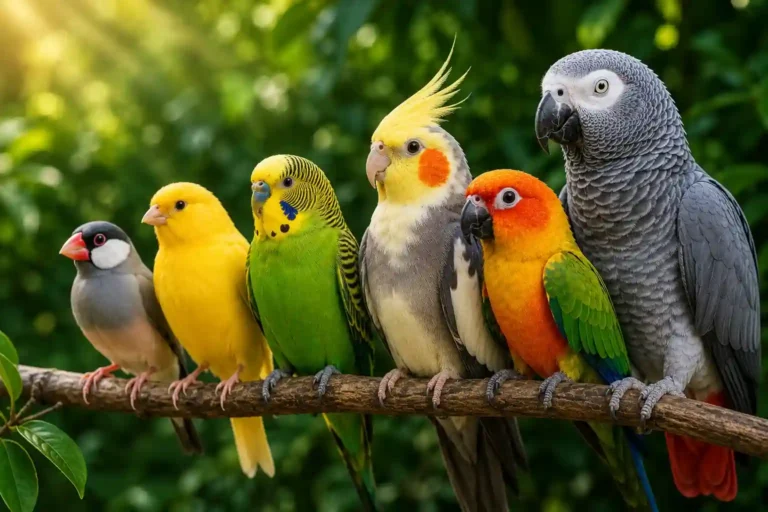

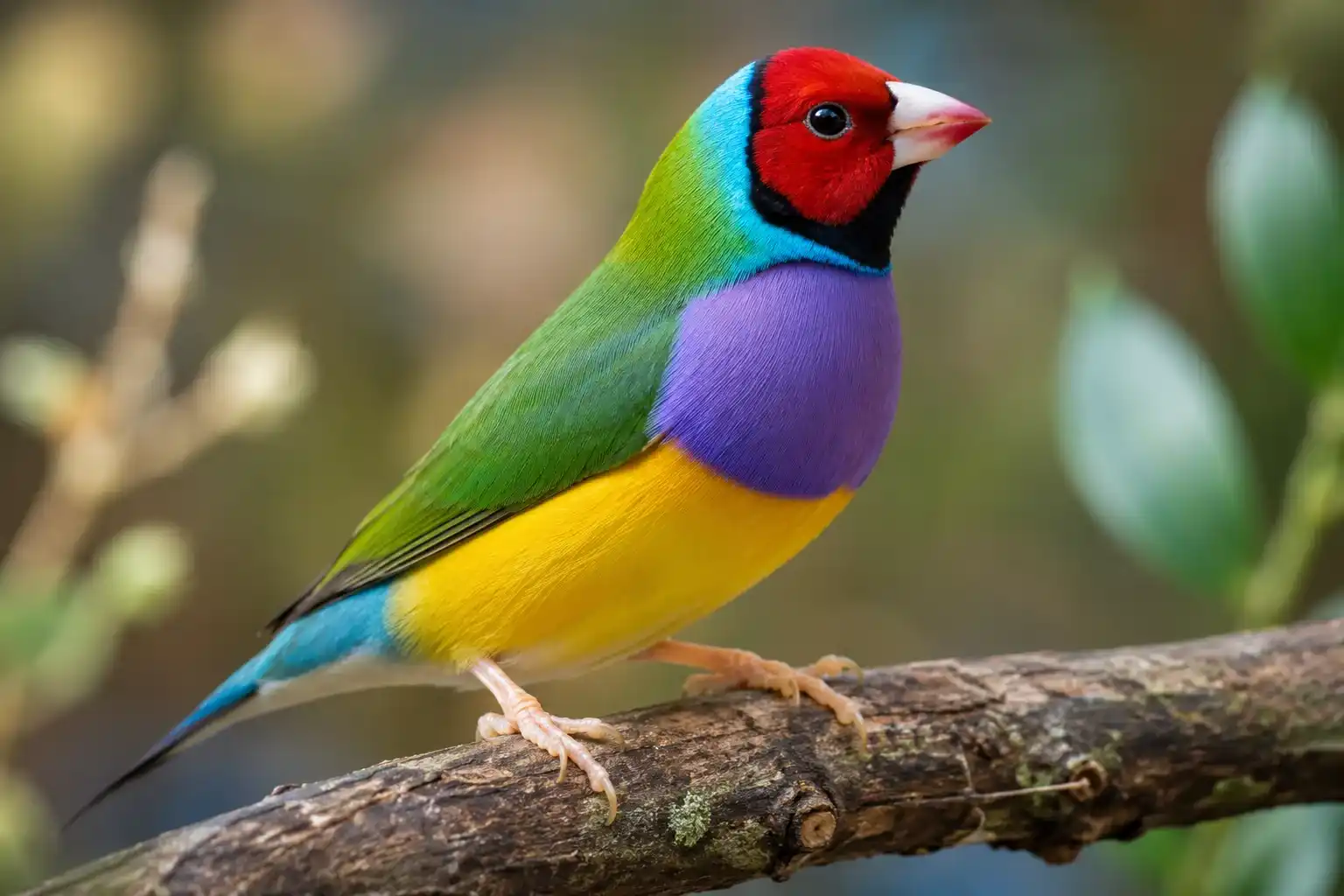
Many first-time bird owners assume a bowl of seeds is all their finches need, but you can learn about their broader needs in our Finch Care Guide before adjusting their meals. In reality, what do finches eat goes far beyond seeds alone. A healthy finch diet combines high-quality seeds with pellets, fresh vegetables, occasional fruits, protein-rich foods, calcium sources, and constant access to clean water to support long-term health and well-being.
A healthy finch diet goes far beyond a basic bowl of seeds. In captivity, these birds depend entirely on the meals provided in their cages to receive proper nutrition. This dietary variety helps prevent nutritional deficiencies while supporting steady energy and overall health. Good nutrition keeps healthy finches active throughout the day. Relying on a seed-only approach lacks the necessary vitamins and minerals they need for long-term health.
This guide explains the foundational principles of a proper finch diet. You will learn the exact breakdown of what goes into their daily meals. We cover the best foods to offer, dangerous items to avoid, portion guidance for daily feeding, and common feeding mistakes to bypass. A well-planned feeding routine makes it much easier to provide complete, balanced nutrition every day.
What Do Finches Eat in the Wild vs as Pets?
In the wild, finches forage for live insects alongside diverse native seeds to meet their massive physical energy needs. Pet finches require owners to replicate this nutritional variety through formulated domestic diets and fresh produce inside their cages.
What Wild Finches Naturally Eat
To understand proper bird care, it helps to look at what do wild finches eat outdoors. A wild finch diet relies on active foraging across varied landscapes.
In their native habitats, a Zebra Finch or Gouldian Finch spends hours flying between food sources. They consume elements like grass seeds, fresh weed seeds, seasonal buds, and wild berries. Many catch insects to meet daily protein needs.
Some species consume nectar depending on their regional flora. A House Finch or Goldfinch adapts to local seasonal changes, meaning their natural nutrition shifts throughout the year. This active lifestyle provides continuous diet diversity that keeps them fit.
What Pet Finches Typically Eat
A pet finch diet looks different. When kept in a cage, a bird like the Society Finch eats the meals placed in its bowl, and new owners often wonder what do finches eat to maintain their vibrant color. Most pet finches receive a commercial seed mix built around millet and canary seed as the foundation of their diet
While seeds hold value, domestic birds require expanded food variety in captivity to mimic outdoor conditions.
The core food groups for captive birds include formulated pellets, fresh vegetable chops, safe fruits, and specific protein supplements. Offering these distinct categories prevents boredom and delivers the vitamins missing from dry seeds.
Creating this structured menu ensures they receive the right energy without needing to travel miles. This steady access to nutrition defines domestic feeding.
Why Captive Diets Must Be More Balanced Than Wild Diets
Pet birds rely on human provision to recreate nutritional diversity. Wild birds burn massive amounts of energy flying to locate their meals. Domestic birds lack this exercise, meaning poor food choices lead to weight issues.
A commercial seed-only bowl differs from active natural foraging because dried seeds lack the live nutrients found in fresh plants or insects, which is why understanding what do finches eat in nature is vital for recreating a healthy menu. In captivity, a balanced menu gives your finches the necessary elements to thrive indoors without the physical demands of surviving outside.
Table 1: Natural Diet vs Pet Finch Diet
| Food Type | Wild Finches | Pet Finches |
| Seeds | Fresh grass and weed seeds | Dried Millet and Canary Seed mixes |
| Produce | Seasonal wild berries and leaf buds | Fresh chopped vegetables and safe fruits |
| Protein | Live insects caught during flight | Formulated pellets and prepared egg food |
| Energy Expenditure | High due to miles of daily flight | Low due to cage confinement |
Understanding a Balanced Finch Diet
A balanced finch diet depends on combining several essential nutrients rather than relying on a single staple food. Combining essential vitamins with proper protein ensures your bird maintains strong bones and steady daily energy levels indoors.
The Essential Nutrients Every Finch Needs
Proper finch nutrition relies on specific building blocks working together to maintain their physical structure and daily activity.
- Protein: Supports muscle strength and routine tissue repair.
- Carbohydrates & Healthy Fats: Deliver the required energy stores for constant movement around the cage.
- Vitamins (A & D3): Regulate internal processes and maintain proper eyesight.
- Minerals & Calcium: Keep biological systems running smoothly while sustaining strong bones and a healthy beak.
- Fresh Water & Fiber: Aid in normal digestion and regulate internal temperature.
Why Dietary Variety Is More Important Than Feeding One “Perfect” Food
No single item provides every nutrient a bird requires. A balanced finch diet comes from combining different nutritional profiles rather than searching for one ideal staple.
Restricting meals to a single source creates gaps in their intake. A varied menu gives finches access to a wider range of nutrients throughout the week. This continuous rotation ensures they receive all necessary vitamins and minerals over time, mimicking the natural variation they experience in a wild setting.
How an Imbalanced Diet Affects a Finch’s Health
Poor nutrition for finches leads to noticeable physical and behavioral changes. When birds lack vital elements, their feathers lose their natural color and become brittle. A persistent nutritional deficit depletes their energy, causing them to sit quietly instead of actively exploring their environment.
Deficiencies weaken the skeletal structure and disrupt normal molting cycles. Long-term imbalances degrade their overall physical resilience, leaving them vulnerable to routine stress. Proper feeding prevents these physical declines and keeps the bird active.
Best Foods for Pet Finches
The best food for finches combines different nutritional elements to sustain their daily activity. Building a healthy finch diet means providing a quality seed mix alongside fresh produce and formulated nutrition to prevent long-term dietary gaps.
Seeds: An Important Part of a Finch’s Diet—But Not the Whole Diet
A standard seed mix serves as the foundation for daily feeding. Quality finch seed mixes typically contain small grains such as millet and canary seed. Birds enjoy cracking the outer hulls to access the inner kernel. This natural husking behavior occupies their time and provides necessary mental engagement inside the cage.
When they eat, they drop the empty shells back into the dish. This habit makes the bowl look full even when the food is gone.
While seeds offer valuable carbohydrates, they lack essential vitamins. Relying strictly on a seed bowl leads to poor pet finch nutrition over time. Dried grains contain elevated fat levels and insufficient calcium.
Expanding their menu beyond these basic grains maintains proper health, helping owners transition from basic seeds to a more comprehensive view of what do finches eat for long-term vitality. Seeds work best when combined with other nutrient-rich foods that create a more complete and balanced diet.
Pellets: Should Pet Finches Eat Them?
Formulated pellets provide concentrated nutrition in every bite. Manufacturers design these tiny crumbles to deliver a precise blend of vitamins and minerals. Including pellets alongside a regular seed mix prevents birds from picking out only their favorite fatty pieces. They offer a stable baseline for the best finch diet.
Small birds hesitate to recognize unfamiliar textures as edible items. Transitioning them requires patience and daily observation. You might need to crush the pellets slightly to match the size of a natural seed. Once accepted, these structured bites become a reliable pillar of their daily intake.
Veterinary Insight
Birds that refuse pellets should be transitioned gradually rather than switched abruptly. Slow dietary changes help reduce food refusal and unintended weight loss.
Fresh Vegetables for Finches
Fresh vegetables supply vitamins, minerals, and natural variety that dry seed mixes cannot provide on their own. Wash all produce thoroughly to remove field residues before serving. You can chop the greens into tiny pieces or clip larger leaves directly to the cage bars to encourage active pecking. Remove any uneaten portions after a few hours to maintain a sanitary environment.
- Dark leafy greens (Spinach): Offer valuable iron.
- Orange vegetables (Carrot): Deliver essential vitamins for feather maintenance.
- Crisp greens (Bell Pepper, Broccoli): Give birds an engaging texture to tear apart.
Fresh Fruits for Finches
Fresh fruit provides a sweet addition to their routine, but natural sugars require moderation. Serve thin slices of safe household fruits as an occasional enrichment activity rather than a primary meal component.
Our veterinarians recommend removing all seeds and pits before placing fruit pieces in your finch’s dish. Small portions prevent digestive upset and keep their weight stable. Like vegetables, all fruit must be removed from the enclosure before it spoils.
Protein Sources for Finches
Small birds need protein to maintain muscle mass and support proper feather growth. Offer these supplemental foods periodically to support their physical structure without overloading their digestive system:
- Egg Food & Cooked Egg: Provide a convenient energy boost, especially during molting periods.
- Dried Mealworms: Encourage natural hunting behaviors inside the cage.
- Sprouted Seeds: Deliver living nutrients that dry grains lack.
Calcium Sources for Strong Bones and Healthy Egg Production
Calcium maintains skeletal strength and supports proper beak conditioning. A Cuttlebone attached to the cage bars gives birds a constant source of this necessary mineral. They will actively scrape the surface, which naturally files down their beak. You can also hang a mineral block to provide similar physical benefits.
Proper calcium levels remain vital to prevent skeletal weakness. Keep these supplements accessible at all times so the birds can self-regulate their intake.
Fresh Water: The Most Overlooked Part of a Finch’s Diet
Fresh water is just as important as food because every system in a finch’s body depends on proper hydration. Birds drink multiple times a day to aid digestion and soften their meals.
Small birds frequently drop seed hulls or waste into their drinking bowls. This constant contamination requires diligent cleaning. Scrub the water containers daily to prevent harmful slime buildup.
Provide fresh water every morning to guarantee a safe drinking supply. During warm seasons, you might need to refill the dish twice a day to ensure it stays clean. Whether you use an open dish or a closed silo, clean hydration supports every internal system and keeps the bird active.
Table 2: Best Foods for Pet Finches
| Food Group | Examples | Main Nutritional Benefit | Feed Regularly? |
| Seeds | Millet, Canary Seed | Carbohydrates, foraging engagement | Yes (as a base) |
| Pellets | Formulated crumbles | Balanced vitamins and minerals | Yes |
| Vegetables | Broccoli, Spinach, Carrot | Essential vitamins | Yes |
| Fruit | Safe seasonal fruits | Trace nutrients, mental enrichment | Moderately |
| Protein | Egg Food, mealworms | Muscle maintenance, feather growth | Periodically |
| Calcium | Cuttlebone, mineral block | Bone strength, beak conditioning | Keep available always |
Foods Finches Should Never Eat
Recognizing toxic foods is one of the simplest ways to protect pet finches from preventable emergencies. Certain common household ingredients act as rapid toxins for small birds, making proper food identification essential for daily bird safety.
Toxic Foods That Can Harm or Kill Finches
Many common kitchen items pose severe risks to small birds. Identifying specific toxic foods for finches helps maintain a secure environment. Owners must recognize that certain everyday pantry staples act as rapid toxins, triggering physical distress or overstimulating sensitive internal systems.
Produce preparation requires equal attention. Serving fruit without removing the inner pits introduces trace hazards, while common savory vegetable staples cause internal damage resulting in profound weakness.
Beyond specific ingredients, daily food condition plays a crucial role in their health. Fresh produce left in the cage past a few hours degrades into a hazard. Spoiled foods and moldy foods introduce harmful fungal spores into their digestive tract. Removing uneaten wet food daily prevents these poisonous foods from causing internal harm.
Why Some Human Foods Are Unsafe for Birds
A finch’s digestive system is designed for natural foods, not processed meals made for people.
- Salty foods burden their tiny kidneys, leading to dangerous fluid imbalances.
- Sugary foods disrupt their natural energy cycles and promote unhealthy weight gain inside a cage environment.
- Processed snacks contain artificial preservatives and dyes that their bodies cannot filter.
- Added cooking fats coat their digestive tract and interfere with normal nutrient absorption.
A meal prepared for a human palate offers zero nutritional value to a finch. Sticking to plain, raw ingredients ensures they consume only what their bodies can digest safely.
How to Prevent Accidental Poisoning at Home
Keeping your birds safe requires proactive kitchen management. Wash your hands thoroughly after handling dangerous ingredients before touching the cage. Prepare bird meals on a separate cutting board to avoid cross-contamination with dangerous residue.
A good practice is to store their seed mixes in airtight containers to prevent mold growth from household humidity. Double-check the contents of any shared fruit before offering a slice.
A consistent daily routine of washing dishes and removing old produce provides the best defense against accidental exposure.
Veterinary Insight
Birds often hide signs of illness until they become critically sick. Contact an avian veterinarian immediately if a finch eats a known toxic food, even if it appears normal.
Table 3: Unsafe Foods for Finches
| Food | Why Dangerous | Safe Alternative |
| Avocado | Causes severe physical distress | Fresh broccoli florets |
| Chocolate & Caffeine | Overstimulates internal systems | Formulated bird treats |
| Apple Seeds & Fruit Pits | Contains trace cyanide | Seedless safe fruits |
| Garlic & Onion | Damages internal systems | Chopped leafy greens |
| Salty & Sugary Foods | Overloads kidneys and natural energy cycles | Plain raw vegetables |
| Spoiled & Moldy Foods | Introduces harmful bacterial spores | Fresh, daily rotated produce |
How Much Should a Finch Eat Each Day?
How much do finches eat daily? A proper finch feeding amount relies on visual proportions rather than strict tablespoon measurements. Provide a steady base of seeds and formulated pellets, supplemented with a smaller daily portion of fresh produce.
Daily Food Balance Instead of Exact Measurements
A daily finch diet requires visual balancing in the dish. Start by offering a base mix where the seed proportion and pellet proportion make up the bulk of their daily intake, filling the remaining space with fresh produce. Provide enough volume so they can forage throughout the day without emptying the bowl by noon.
You can monitor this daily intake through visual observation. Check the food dish each evening to see what remains. Empty husks left behind indicate active eating. If the bowl empties long before sunset, they require a larger portion the next day. Conversely, a dish full of untouched seeds and produce signals that you provided too much.
Clean water remains the only element requiring absolute daily volume replacement to guarantee safe hydration.
Factors That Influence How Much a Finch Eats
Individual variation plays a significant role in determining a proper finch feeding amount. A bird’s physical activity level dictates its daily energy requirements. A finch living in a large flight cage burns more calories than one resting in a smaller enclosure.
Environmental conditions also affect a finch’s appetite; cooler room temperatures prompt birds to consume more calories to maintain their internal body heat. Adjust the volume based on these specific daily realities to prevent waste.
How to Tell Whether Your Finch Is Eating Enough
With portion monitoring handled at the food bowl, owners must also observe the bird directly. A healthy bird maintains steady energy levels and alert behavior. Checking their physical appearance helps ensure they carry adequate weight across their chest area, confirming their daily nutritional needs are met.
Table 4: Daily Diet Balance for Pet Finches
| Food Category | Recommended Share | Notes |
| Seeds & Pellets | Majority of the daily intake | Provides the baseline energy and essential foraging activity. |
| Fresh Produce | Supplemental daily portion | Rotate leafy greens and safe vegetables to offer varied vitamins. |
| Treats & Protein | Minimal, occasional offering | Serve small amounts to prevent excessive weight gain. |
| Fresh Water | Unrestricted access | Requires daily replacement and frequent bowl cleaning. |
Common Finch Feeding Mistakes to Avoid
Identifying common finch diet mistakes early ensures your bird maintains steady energy and proper digestion throughout its life.
Relying on Seed-Only Diets
The most frequent of all finch feeding mistakes involves filling the bowl exclusively with a commercial Seed Mix. Providing only dry grains creates long-term imbalanced nutrition. Birds appreciate cracking open the hulls, but this habit denies them essential vitamins found in other sources.
A lack of dietary variety leaves your bird sluggish and dulls their feather color. Incorporating pellets and safe greens into their daily routine prevents these nutritional gaps and helps keep them active inside the cage, providing a practical answer to what do finches eat when they are not foraging in the wild.
Offering Too Many Treats and Sugary Foods
Birds enjoy the taste of sweet items, tempting owners into overfeeding treats. Giving them too much fruit introduces excess natural sugars their tiny bodies struggle to process. These sugary additions should remain an occasional reward rather than a daily staple. Stick to measured portions to maintain their baseline health without causing unwanted weight gain.
Ignoring Calcium and Other Essential Nutrients
Focusing strictly on calories means ignoring calcium, a vital mineral for skeletal strength. Birds require steady access to supplemental minerals to maintain proper beak conditioning and bone density. Providing a cuttlebone or a mineral block allows them to self-regulate their intake. Overlooking this requirement leaves them physically weak during natural molting periods.
Serving Spoiled or Poorly Prepared Fresh Foods
Poor hygiene around the cage introduces serious risks. Leaving fresh food in the dish too long allows spoiled food to develop harmful bacteria. Remove any uneaten Fresh Produce after a few hours. Proper food storage matters equally for dry goods; keep seed bags sealed tight to prevent moisture buildup that ruins their daily meals.
Making Sudden Dietary Changes
Introducing unfamiliar ingredients overnight causes stress. Sudden diet changes often lead birds to reject the new items entirely. They prefer familiar textures and shapes. Introduce different elements in small increments alongside their regular meals to encourage acceptance and avoid unintentional starvation from food refusal.
Veterinary Insight
Persistent weight loss, appetite changes, or abnormal droppings may indicate nutritional or medical problems. Professional veterinary evaluation is recommended if these signs continue.
Forgetting That Every Finch Has Individual Needs
Assuming all birds eat the same volume ignores their distinct routines. A larger, active bird requires more energy than a quiet companion resting on a low perch. Adjust their daily portions by observing their specific feeding habits rather than adhering to rigid, generalized guidelines.
Frequently Asked Questions
Every bird owner researching what do finches eat should understand which common kitchen staples are safe to include in their daily menu.
Can finches eat bananas?
Yes, finches can eat bananas in strict moderation. Owners should offer tiny, mashed portions without the peel to prevent choking. Bananas contain natural sugars that provide quick energy but cause unwanted weight gain if served every day. Clear away uneaten pieces to prevent the fruit from spoiling inside the cage.
Can finches eat apples?
Yes, finches can eat apples with proper preparation. Remove all seeds and the core before serving, as apple seeds contain trace amounts of toxic cyanide. Offer thin, peeled slices to give the birds an engaging texture. Treat this fruit as an occasional snack rather than a primary food staple.
Can finches eat lettuce?
Finches can eat certain types of lettuce, but dark leafy greens offer better nutrition. Iceberg lettuce consists primarily of water and provides minimal vitamins, leading to watery droppings. Romaine lettuce serves as a safer, more nutritious option. Wash the leaves well and clip them to the cage bars.
Can finches eat rice?
Finches can eat cooked plain rice in small quantities. Avoid serving raw rice, as it swells and causes digestive discomfort. Never use salt, butter, or seasonings during preparation. Plain cooked rice offers basic carbohydrates, but it lacks the essential vitamins found in formulated pellets and fresh produce.
Can finches eat bread?
Feeding bread to finches remains a poor choice. Commercial bread contains processed wheat, added salt, and artificial preservatives that their small digestive systems cannot process. Bread offers zero nutritional value and fills their stomach with empty carbohydrates. Stick to natural grains and safe vegetable chops for their energy needs.
Can finches eat eggs?
Yes, finches benefit from eating cooked eggs. Hard-boiled eggs provide an excellent source of necessary protein, especially during natural molting phases. Owners can mash the egg and the clean shell together to offer supplemental calcium. Serve this protein boost in small amounts and remove leftovers to maintain cage hygiene.
Can finches eat oats?
Finches can eat plain, uncooked oats as a supplement to their standard seed mix. Rolled oats provide beneficial fiber and natural carbohydrates. Avoid flavored oatmeal packets because they contain excessive sugar and artificial ingredients. Sprinkle a pinch of raw oats over their daily food bowl for added dietary variety.
Can finches survive on seeds alone?
While finches survive on a strict seed-based diet for a short time, they will not thrive. Dry grains lack the essential vitamins and calcium required for long-term health. A restricted diet leads to physical weakness and poor feather condition. They need pellets and fresh produce for proper daily nutrition.
References
- Complete Finch Care Guide: Housing, Diet, Health & Essential Tips. https://pawshatch.com/finch-care-guide/
- Eccles GR, Bethell EJ, Greggor AL and Mettke-Hofmann C (2021) Individual Variation in Dietary Wariness Is Predicted by Head Color in a Specialist Feeder, the Gouldian Finch. Front. Ecol. Evol. 9:772812. doi: 10.3389/fevo.2021.772812
- Dr Danny Brown, CVSc. SELECTED TOPICS IN FINCH NUTRITION. https://www.geckodan.com/wp-content/uploads/2015/04/Selected-Topics-in-Finch-Nutrition.pdf
- What Are The Best Fresh Fruits For Birds? (2023). https://zupreem.com/what-are-the-best-fresh-fruits-for-birds/
- Diet: What your bird should eat? Windhover Veterinary Center. https://windhovervet.com/bird-care
- Peng, S., & Broom, D. M. (2021). The Sustainability of Keeping Birds as Pets: Should Any Be Kept? Animals, 11(2), 582. https://doi.org/10.3390/ani11020582