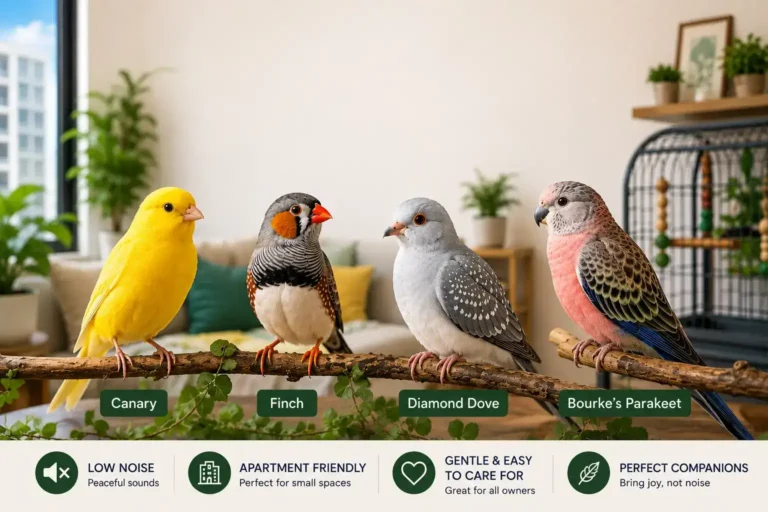

Finches are among the easiest pet birds to care for, but keeping them healthy involves much more than providing a cage and a seed mix. Their diet, housing, social environment, hygiene, and preventive healthcare all play important roles in their well-being and lifespan.
Whether you’re preparing for your first pair of finches or improving the care of an existing flock, this guide covers every essential aspect of responsible finch ownership. You’ll learn how to choose the right species, set up a suitable habitat, provide balanced nutrition, understand normal behavior, recognize early signs of health issues, and avoid common beginner mistakes.
This article serves as a comprehensive overview outlining the foundational aspects of bird health. Every major topic features a dedicated in-depth guide linked throughout the text.
Before Bringing Finches Home
Before bringing finches home, make sure you’re prepared for their daily needs. A little planning helps reduce stress for both you and your new birds.
- Set up a spacious Flight Cage with essential accessories before your finches arrive.
- Choose social species, such as Zebra Finches or Society Finches, if you’re a first-time owner.
- Purchase a quality seed mix, fresh food, and clean water containers in advance.
- Locate an experienced Avian Veterinarian before an emergency occurs.
- Plan to keep at least two compatible finches, as most species thrive with companionship.
This preparation creates a smoother transition into their new home and lays the foundation for successful finch care.
What Is Finch Care?
What is finch care? Pet finch care is the daily practice of maintaining a safe environment and providing balanced nutrition for these small birds. Caring for finches means observing their natural social interactions and supporting their physical needs.
Finch Care Is More Than Food and Water
Providing basic seeds and fresh water is only the beginning. Proper maintenance involves meeting their need for flight space and a secure setting. It requires attention to their social habits alongside their physical health.
The Five Foundations of Healthy Finch Care
Successful finch care is built on five core foundations: proper housing, balanced nutrition, social companionship, routine hygiene, and preventive healthcare. These areas work together to support healthy behavior, strong feather condition, stable energy levels, and long-term wellbeing. When owners consistently meet these five needs, finches are far more likely to remain active, comfortable, and healthy throughout their lives.
Are Finches Easy Pets for Beginners?
People ask if these birds suit first-time homes. They are easier to manage than large parrots. A Zebra Finch or a Society Finch will not demand direct physical handling. They still require consistent daily care and thoughtful planning to thrive in a domestic setting.
What Does a Typical Day of Finch Care Look Like?
A normal daily routine involves refreshing their food and water. You will do a quick spot cleaning of the cage bottom. After that, your main role is observation. You interact with them by watching their flock dynamics rather than handling them directly.
Choosing the Right Finch Species
What are the best types of finches for a home? The best finch species depends on your experience level and daily availability. Different pet finch species present distinct environmental needs alongside varying levels of hardiness. Selecting a bird with a temperament matching your household ensures a stable routine.
Why Species Selection Matters
Selecting the right bird impacts the daily routine. Different pet finch species possess unique personalities and distinct environmental needs. Their temperament ranges from bold to timid. Care difficulty changes between breeds. A matching choice ensures a stable home.
Popular Pet Finch Species at a Glance
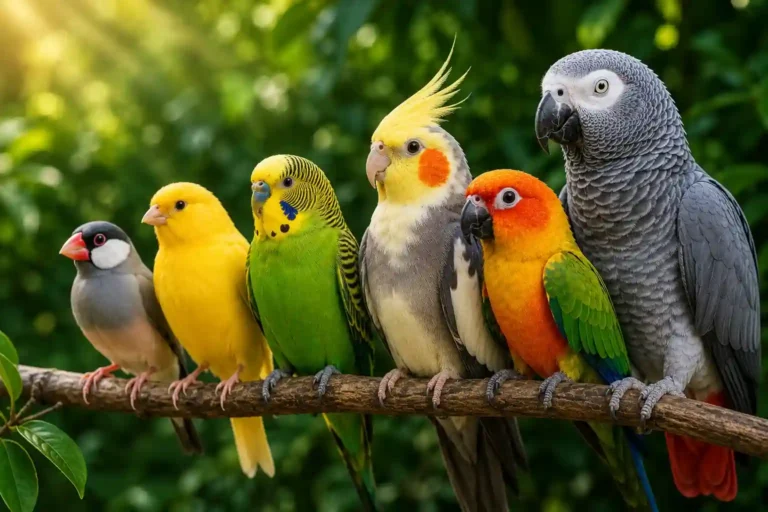
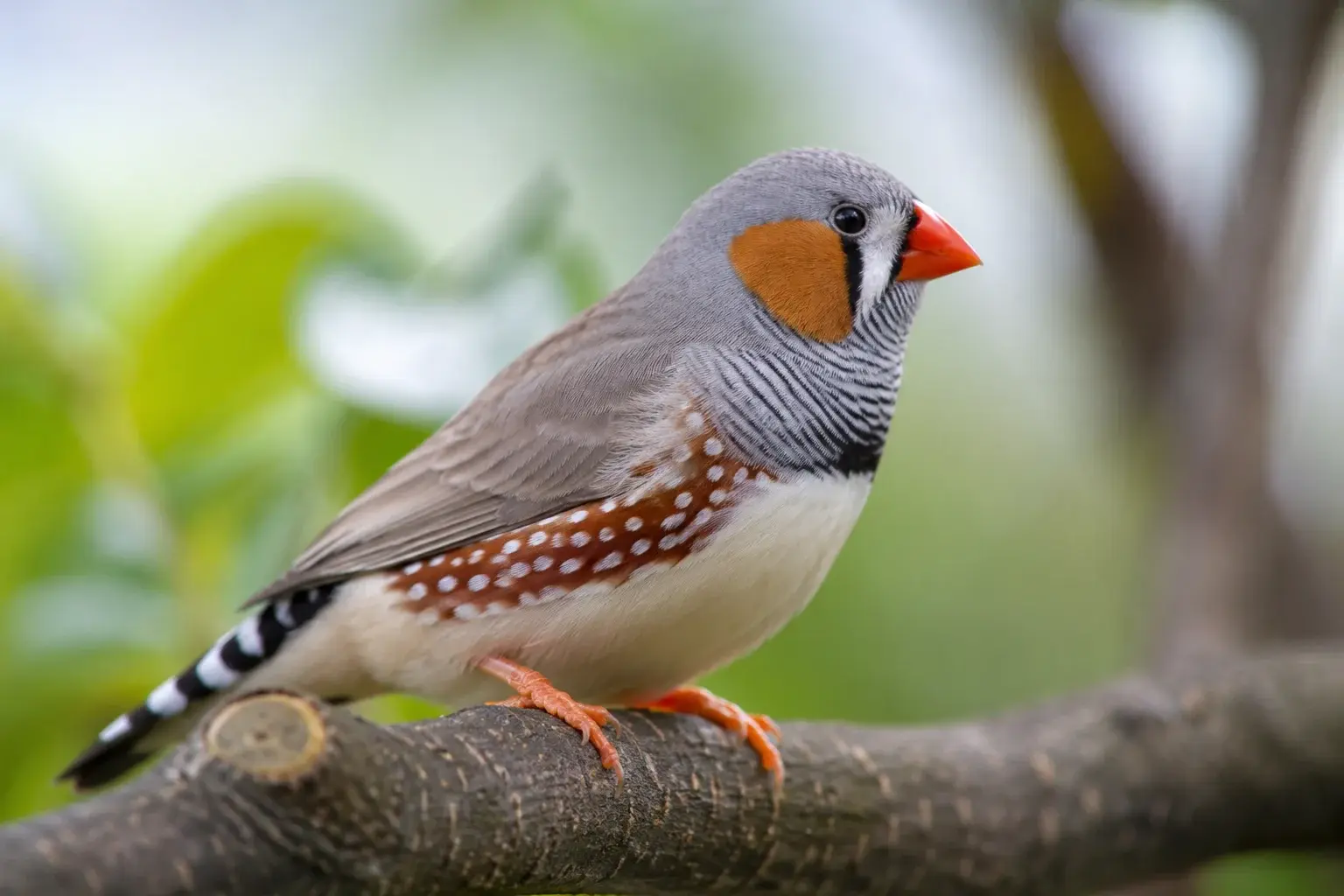
Pet birds vary widely in personality and maintenance needs. The vocal Zebra Finch and the peaceful Society Finch stand out as reliable beginner finches due to their strong hardiness and low care difficulty. The quiet Gouldian Finch requires specific environmental conditions, meaning their higher care difficulty limits their beginner suitability. The timid Star Finch and the bold Java Finch offer distinct behaviors that fit well with households understanding basic bird behavior.
Table 1: Popular Pet Finch Species at a Glance
| Species | Temperament | Care Difficulty | Typical Lifespan | Best For |
| Zebra Finch | Active | Low | 5–8 years | Beginners |
| Society Finch | Peaceful | Low | 5–9 years | Beginners |
| Gouldian Finch | Quiet | Moderate | 6–8 years | Intermediate |
| Star Finch | Timid | Moderate | 5–7 years | Intermediate |
| Java Finch | Bold | Moderate | 5–10 years | Intermediate |
Which Finch Species Is Best for Beginners?
The Zebra Finch and the Society Finch stand out as top choices for a new home. Both offer strong hardiness and straightforward maintenance. The Zebra bird provides active entertainment. The Society bird delivers a calm presence.
Can Different Finch Species Live Together?
Compatibility relies on specific breed traits, available flight space, and individual temperament. Some birds share a flight cage without conflict. Others display territorial behavior. Research individual breed compatibility before attempting mixed-species housing.
Selecting a bird that matches your experience level creates a stable foundation for the entire flock.
Finch Housing and Cage Setup Essentials
What kind of cage do finches need? The best cage for finches provides a wide layout to support natural horizontal flight rather than vertical climbing. A proper finch cage setup requires safe bar spacing alongside rust-resistant materials. This structure ensures the birds receive adequate exercise in a secure daily environment
Why Proper Housing Matters
A secure finch cage serves as the foundation of physical health. Proper finch housing directly influences daily stress levels. Good flight space keeps their bodies strong through constant exercise. A well-planned environment encourages regular flock behavior. These factors play a major role in their overall longevity.
Choosing the Right Cage
What kind of cage do finches need? The best cage for finches is a wide flight cage designed for horizontal movement rather than a tall parrot enclosure. They navigate side to side instead of climbing. They require safe bar spacing to prevent physical injury. The structure needs bird-safe materials resistant to rust. A proper finch cage setup provides room for multiple perches without feeling crowded. The enclosure supports constant daily activity.
Table 2: Minimum Cage Size Recommendations
| Number of Finches | Minimum Cage Size | Notes |
| 1 to 2 finches | Small flight cage | Supports basic horizontal flight. |
| 3 to 4 finches | Medium flight enclosure | Requires multiple food stations. |
| 5 or more finches | Large flight setup | Reduces territorial disputes. |
Setting Up the Cage Interior
The interior layout dictates their comfort. Install Natural Wood Perches of varying thicknesses to exercise their feet. Place Stainless Steel Feeding Cups away from resting areas to keep the food clean. Set up a secure Bird Bath for routine feather maintenance.
Arrange these elements to maintain a clear, open flight path down the center. Add minor enrichment items to stimulate natural foraging. Keep the main flying space free from clutter.
The Best Location for a Finch Cage
Cage placement affects their rest. Find a quiet household area receiving steady natural lighting. The room needs a stable temperature away from direct drafts. Good ventilation keeps the air fresh. Avoid keeping birds in the kitchen due to cooking fumes. A peaceful corner provides security while letting them observe the room.
Keeping the Environment Clean
A healthy home needs regular attention to hygiene. Practice daily spot cleaning to manage discarded seed hulls. Plan regular deep cleaning sessions for the entire enclosure. A tidy space prevents bacteria buildup.
Feeding Finches a Balanced Diet
What do pet finches eat? A healthy finch diet consists of a high-quality seed mix containing White Millet and Canary Seed alongside formulated Pellets. Feeding finches requires offering Fresh Greens and a steady calcium source like a cuttlebone. This variety provides the balanced nutrition necessary for daily energy.
Why Nutrition Is the Foundation of Finch Health
Proper finch food sustains their daily life. The meals they consume directly influence their total lifespan and support their immune system against illness. Good feeding habits maintain smooth feather quality throughout the year. Reliable nutrition keeps their activity levels steady while supporting their overall breeding condition. Food acts as the primary defense for long-term health.
What Makes a Balanced Finch Diet?
Creating a balanced routine means recognizing that no single food meets every nutritional requirement. A foundational seed mix offers essential foraging opportunities. Formulated Pellets provide baseline vitamins where appropriate.
Pet finch food extends beyond dry goods. Offering fresh vegetables and leafy greens gives them necessary fiber. Providing occasional fruit works well for minor treats. During periods of growth or molting, they benefit from protein sources like Egg Food.
Strong bones require constant access to calcium sources. A Cuttlebone or a Mineral Block serves this purpose well. Providing fresh water daily ensures proper hydration. Feeding only seeds restricts their vitamin intake. Combining these different food categories builds a robust menu for the flock.
Table 3: Daily Components of a Healthy Finch Diet
| Food Category | Purpose | Frequency |
| Staple diet | Primary nutrition | Daily |
| Fresh vegetables | Vitamins & fiber | Regularly |
| Protein foods | Growth & breeding support | Occasionally |
| Calcium sources | Bone & eggshell health | Continuous access |
| Fresh water | Hydration | Daily |
Foods Finches Should Avoid
Certain common household items present serious dangers to small birds. Keep avocado and chocolate far away from their cage. Caffeine and alcohol remain toxic to their systems. Do not share salty foods or sugary foods from your own meals. Their bodies cannot process these human ingredients. Offering a restricted, safe menu prevents accidental exposure to harmful substances.
Do Finches Need Supplements?
Birds eating a varied menu rarely require routine vitamin drops. A well-rounded diet supplies the necessary nutrients naturally. Providing extra supplements without a specific medical need might disrupt their internal balance. Consult an avian veterinarian before adding synthetic vitamins to their water or food. Professionals recommend focusing on fresh ingredients first.
Veterinary Insight
Nutritional problems often develop gradually and may first appear as poor feather condition, reduced activity, weak eggshells, or abnormal molting. Rather than relying on supplements, veterinarians generally recommend improving the overall balance and variety of the diet.
Offering a varied mix of quality seeds alongside fresh produce establishes the foundation for long-term avian health.
Understanding Finch Behavior and Social Needs
Can finches live alone? Finches are social birds that require group living. Keeping a single bird isolates them and causes severe stress. Proper pet finch behavior depends on strong flocking instincts alongside pair bonding. Understanding finch social behavior means keeping them in pairs or small groups for their well-being.
Why Understanding Natural Behavior Matters
Observing finch behavior helps you provide a better home environment. New keepers notice actions that seem unusual at first. These actions represent normal expressions of their instincts.
Understanding finches requires recognizing that their daily routines stem from wild habits. Recognizing these patterns helps you separate normal activity from territorial behavior. This knowledge allows you to build a habitat supporting natural environmental enrichment without causing alarm.
Common Behaviors You Should Expect
A healthy flock remains in constant motion during daylight. Flying provides their primary form of exercise across the cage. Hopping between perches allows them to navigate tight spaces. Foraging keeps their minds engaged as they search for food.
You will notice frequent bathing to maintain their feather condition. Preening follows water time as they arrange their plumage.
Communication plays a major role in their day. Singing serves as a way for males, like the Zebra Finch, to express themselves. Social calling keeps the group connected. A Society Finch relies on constant vocalization to maintain contact with its cage mates.
Signs of a Happy Finch
Identifying a content bird relies on daily observation. A settled flock displays active movement throughout the enclosure. They maintain an alert posture while resting on perches. Regular eating indicates comfort within their space.
You will hear consistent vocal communication throughout the morning. Their bodies show smooth feathers without ruffled patches. A relaxed bird shows curiosity toward new safe objects placed in the room.
Signs of Stress
Environmental pressure changes their normal routine. A stressed bird starts hiding in lower corners. You might spot constant feather fluffing during active hours. General inactivity replaces their normal flying habits.
A sudden loss of appetite indicates rising distress. Some birds resort to excessive aggression toward their cage mates. Recognizing these shifts allows you to adjust their surroundings early.
Observing their natural routines helps you maintain a secure environment for the flock.
Finch Grooming and Hygiene Basics
People ask, do finches need baths? Yes, finches require regular access to shallow water for bathing to maintain healthy feathers. Routine finch grooming relies heavily on this natural habit. Good finch hygiene involves providing fresh water daily to support their instinctive preening process without direct human intervention.
What Owners Should Monitor
Rather than grooming finches directly, owners should focus on regular observation. Check that their feathers remain smooth and well-kept, their beak appears normal, and their nails wear naturally on suitable perches. Also ensure fresh bathing water is always available. Small changes in appearance or grooming habits can be early signs that a bird needs closer attention.
Why Cage Hygiene Matters
A clean cage supports healthy feathers, reduces exposure to harmful bacteria and parasites, and encourages natural grooming behaviors. Daily spot cleaning and regular cage maintenance create a healthier environment where finches can bathe, preen, and thrive with minimal human intervention.
Finch Health and Common Health Problems
How do I know if my finch is sick? A sick finch displays clear behavioral shifts. They might rest at the cage bottom. Sitting quietly with ruffled feathers signals distress. You might notice weight loss. Labored breathing is another indicator. Pay attention to changes in their droppings. Monitoring finch health requires spotting these warning signs promptly.
Why Preventive Health Care Matters
Maintaining healthy finches starts long before any signs of finch illness surface. Preventive care serves as the best defense against issues like Air Sac Mites.
Daily observation allows you to catch minor changes in their routine before they escalate. Consistent cage hygiene stops bacteria from growing in their environment.
Proper nutrition keeps their immune system robust. Stress reduction plays a major role in their well-being. A peaceful setting prevents physical exhaustion. Proactive management limits the need for stressful emergency care later on.
Early Warning Signs Every Owner Should Know
Recognizing trouble early gives your flock the best chance at recovery. Watch for sudden appetite changes during their morning feeding. Pay attention to breathing changes. You might notice clicking sounds or open-beak resting.
Abnormal droppings point toward an internal imbalance. Lethargy stands out when an otherwise active bird stops flying. Balance problems might cause them to slip from perches. Sudden feather changes warrant a closer look.
Conditions ranging from Egg Binding to obesity present through these physical shifts. Catching these indicators fast makes a real difference in outcomes.
Table 4: Warning Signs That Require Veterinary Attention
| Symptom | Possible Concern | Veterinary Visit? |
| Fluffed feathers with lethargy | General weakness or internal distress | Yes |
| Labored breathing or tail bobbing | Respiratory issue | Yes |
| Sitting on cage bottom | Severe physical decline | Yes |
| Misshapen or discolored droppings | Dietary or internal distress | Yes |
Why Quarantine Is Important
Bringing a new bird home requires careful steps. Using a dedicated Quarantine Cage protects your existing setup from unseen threats. This separate space allows you to observe the new arrival without risking your current flock. It serves as a practical method for reducing disease transmission.
Common finch diseases like Psittacosis can spread rapidly through a shared flight space. A separate holding period provides time to confirm the new bird is strong before making introductions.
Finding an Avian Veterinarian
Do not wait for a crisis to locate medical help. Identify a qualified Avian Veterinarian while your flock is stable. A specialized doctor understands avian needs far better than a general practice clinic. Having their contact details ready removes panic during a medical situation.
Veterinary Insight
Finches instinctively hide signs of illness, meaning visible symptoms often appear only after a condition has progressed. Early evaluation by an avian veterinarian can significantly improve treatment outcomes and help prevent complications.
Consistent observation and swift professional support create a safe environment for your flock.
Finch Lifespan and Factors That Affect Longevity
How long do pet finches live? A typical pet finch lifespan ranges between 5 to 10 years. The exact finch life expectancy depends on the specific breed and their daily environment. A Zebra Finch lifespan differs slightly from a Gouldian Finch, but good care always promotes better longevity.
Average Lifespan of Pet Finches
Small companion birds typically live for several years when provided with proper maintenance. Natural differences exist between species. A sturdy Zebra Finch or a social Society Finch might share similar timelines, while a sensitive Gouldian Finch follows a different trajectory.
Rather than focusing on exact numeric expectations, recognize that their timeline spans a considerable portion of a decade under the right conditions.
What Determines How Long Finches Live
Multiple elements influence their total time with you. Diet quality plays a primary role in their ongoing physical strength. A spacious cage environment allows them to build stamina through constant flight.
Managed stress levels dictate their day-to-day comfort, while social conditions impact their mental state. A stable flock dynamic keeps them active, directly contributing to their overall avian wellbeing.
How Owners Can Support Longer Lifespans
Care consistency builds the foundation for a long timeline. You support their future by providing stable housing and a balanced diet. Daily observation acts as your best tool for preventive care.
Finch Breeding Basics for Beginners
Should beginners breed finches? New owners should avoid breeding finches until they master basic husbandry. Finch breeding requires extensive planning alongside perfect environmental conditions. Without experience, the process presents a severe stress risk to the adult birds and leads to overpopulation within the home.
Understanding Finch Reproduction
Do finches breed easily? Yes, they are natural breeders driven by strong pair bonding. Finch reproduction basics rely on a deep nesting instinct. A Zebra Finch or a Society Finch will attempt to produce pet finch eggs if given a Nest Box. This process requires specific environmental conditions to proceed safely.
When You Should NOT Breed Finches
Breeding finches demands experience. Beginners without a solid background in avian care should wait. Small cages offer inadequate space for a growing flock. Poor nutrition compromises the physical strength of the parents. Stressful environments disrupt the rhythm of the household.
Responsibility Before Breeding
Expanding a flock requires a massive long-term commitment. You must address the space requirements for housing multiple generations. Ethical considerations play a major role in preventing household overpopulation.
You must accept the responsibility that comes with potential chick care demands if the parents fail to provide proper feeding. Adding new birds to the world means guaranteeing secure homes for every single one of them.
Veterinary Insight
Breeding should only be considered for healthy adult finches in excellent body condition. Proper nutrition and veterinary guidance before breeding help reduce the risk of egg-related complications and improve the health of both parent birds and chicks.
Responsible flock expansion demands flawless preparation and a perfect living environment.
How Much Does It Cost to Own Finches?
How much does it cost to keep finches? Ownership involves an initial investment for a proper enclosure alongside ongoing expenses for daily food. Pet finch expenses span regular maintenance and unpredictable veterinary care. Proper budget planning ensures a stable environment for your flock without financial strain.
Initial Setup Costs
The largest expense comes before your finches arrive. A proper Flight Cage, Natural Wood Perches, Stainless Steel Feeding Cups, a Bird Bath, and other bird-safe essentials form the foundation of a healthy environment. Investing in quality equipment from the beginning helps prevent frequent replacements and supports long-term bird welfare.
Ongoing Ownership Expenses
Beyond the initial finch setup cost, owners should budget for quality food, fresh vegetables, cleaning supplies, replacement perches, and routine pet finch expenses. It’s also wise to set aside funds for periodic visits to an Avian Veterinarian, as unexpected health issues can arise even with excellent daily care.
Table 5: Finch Ownership Cost Overview
| Category | Type | Frequency |
| Setup | One-time | Initial |
| Maintenance | Recurring | Monthly |
| Medical | Occasional | Unpredictable |
Understanding the financial commitment before acquiring a flock ensures a stable home for years to come.
Common Finch Care Mistakes to Avoid
What are common mistakes in finch care? The most frequent finch care mistakes stem from improper housing and inconsistent care. New finch owner errors often involve providing a poor diet, relying on small cages, or letting a dirty environment develop. Recognizing these finch care problems prevents long-term health decline.
Top Beginner Mistakes
- Keeping finches in small cages prevents necessary horizontal flight, serving as improper housing that limits daily exercise.
- Feeding only seed diets creates a poor diet lacking essential vitamins, leaving the flock vulnerable to illness.
- Keeping finches alone forces a lack of socialization on a flocking bird, generating intense psychological stress.
- Ignoring cage hygiene establishes a dirty environment where bacteria multiply and threaten the condition of the flock.
- Overcrowding cages creates constant competition for perches and feeding stations, resulting in elevated tension among cage mates.
- Poor cage placement near loud noises or drafty areas subjects the birds to continuous environmental disruption.
- Sudden environment changes interrupt their established routine, causing unnecessary panic and representing a form of inconsistent care.
- Ignoring stress signals means missing early behavioral shifts, allowing minor distress to escalate into physical decline.
- Mixing incompatible species ignores natural breed temperaments, leading to aggressive encounters and an unstable living space.
- A lack of observation prevents you from noticing subtle changes in flock dynamics or early illness indicators.
Avoiding these beginner finch mistakes ensures a stable environment for your growing flock.
Frequently Asked Questions
Reviewing this finch care FAQ clarifies the basic principles of daily management to help you maintain a secure environment for the flock.
Are finches good pets for beginners?
Yes, they make solid companions for novice bird enthusiasts. They require less direct handling than larger parrots. You must provide a spacious flight environment. They need consistent daily meals alongside regular flock interaction to maintain their physical health over the long term.
Can finches live alone?
No, keeping a single bird isolates them from natural flock dynamics, meaning these social animals must be housed in pairs or small groups.
How often should finches be fed?
You must provide fresh seed and clean water every single day. They eat continuously during daylight hours to maintain their fast metabolism. Keeping food bowls full protects their baseline health. Infrequent feeding disrupts their natural foraging habits and causes rapid physical decline.
How long do pet finches live?
A healthy bird lives between five to ten years in a domestic setting, depending on their daily care and environment.
Do finches like to be held?
No, they prefer distance over physical contact. Direct handling causes them intense fear. You should limit physical touch to necessary medical checks or cage transfers. Building a bond means sitting near their enclosure and watching their natural flock behavior without intrusion.
Final Thoughts
Finch care relies on five core foundations to maintain bird health. You must provide proper housing for flight and balanced nutrition for daily energy. Maintaining a secure social environment supports their flocking instincts. Practicing preventive health care and consistent daily observation lets you catch behavioral changes early.
Managing a flock remains simple in principle. It requires long-term consistency and practical knowledge to avoid common beginner mistakes. Small adjustments to your daily routine prevent environmental stress and support their natural behaviors. Keeping your setup organized ensures your birds thrive for years.
References
- Peng, S., & Broom, D. M. (2021). The Sustainability of Keeping Birds as Pets: Should Any Be Kept? Animals, 11(2), 582. https://doi.org/10.3390/ani11020582
- Anna A. Pérez‐Umphrey, Kate E. Langwig, James S. Adelman, Lauren M. Childs, Jesse Garrett‐Larsen, Dana M. Hawley, Arietta E. Fleming‐Davies, Infected host competence overshadows heterogeneity in susceptibility in shaping experimental epizootics, Ecology, 10.1002/ecy.70407, 107, 5, (2026).
- Yamahachi, H., Zai, A. T., Tachibana, R. O., Stepien, A. E., Rodrigues, D. I., Cavé-Lopez, S., Narula, G., Lee, J., Huang, Z., Hörster, H., Düring, D., & Hahnloser, R. H. R. (n.d.). Welfare of zebra finches used in research. bioRxiv. https://doi.org/10.1101/154567
- Kalnins L, Krüger O and Krause ET (2022) Plumage and Fat Condition Scores as Well-Being Assessment Indicators in a Small Passerine Bird, the Zebra Finch (Taeniopygia guttata). Front. Vet. Sci. 9:791412. doi: 10.3389/fvets.2022.791412
- Lee, Y., Franklin, E. G., Boucher, M., Pate, N. M., & Fabian, N. J. (2024). Infertility and periocular swelling in a female zebra finch (Taeniopygia guttata). Journal of the American Veterinary Medical Association, 262, 982–986. https://doi.org/10.2460/javma.24.03.0151
- Recognizing Early Signs of Illness in Birds, Reptiles, and Small Mammals. https://www.southtexasavian.com/blog/recognizing-early-signs-of-illness-in-birds-reptiles-and-small-mammals/
- What Do Finches Eat? Complete Finch Diet Guide (2026). https://pawshatch.com/what-do-finches-eat/