
How long do pet birds live? It is an important question to ask before bringing a bird home. When researching the average parrot lifespan or the life expectancy of smaller avian species, the answers might surprise you. Unlike many standard household pets, birds are naturally built to live much longer than you might expect, sometimes spanning several decades.
Whether you are preparing a flight cage for a budgie or planning for the years of care an African Grey requires, knowing their expected lifespan helps you prepare for their care.
At PawsHatch, we believe bird owners should plan for the full lifespan of their pet. In this guide, we’ll cover the specific lifespans of popular pet bird species, the fascinating biology behind their longevity, and the daily habits that help keep them healthy as they age.
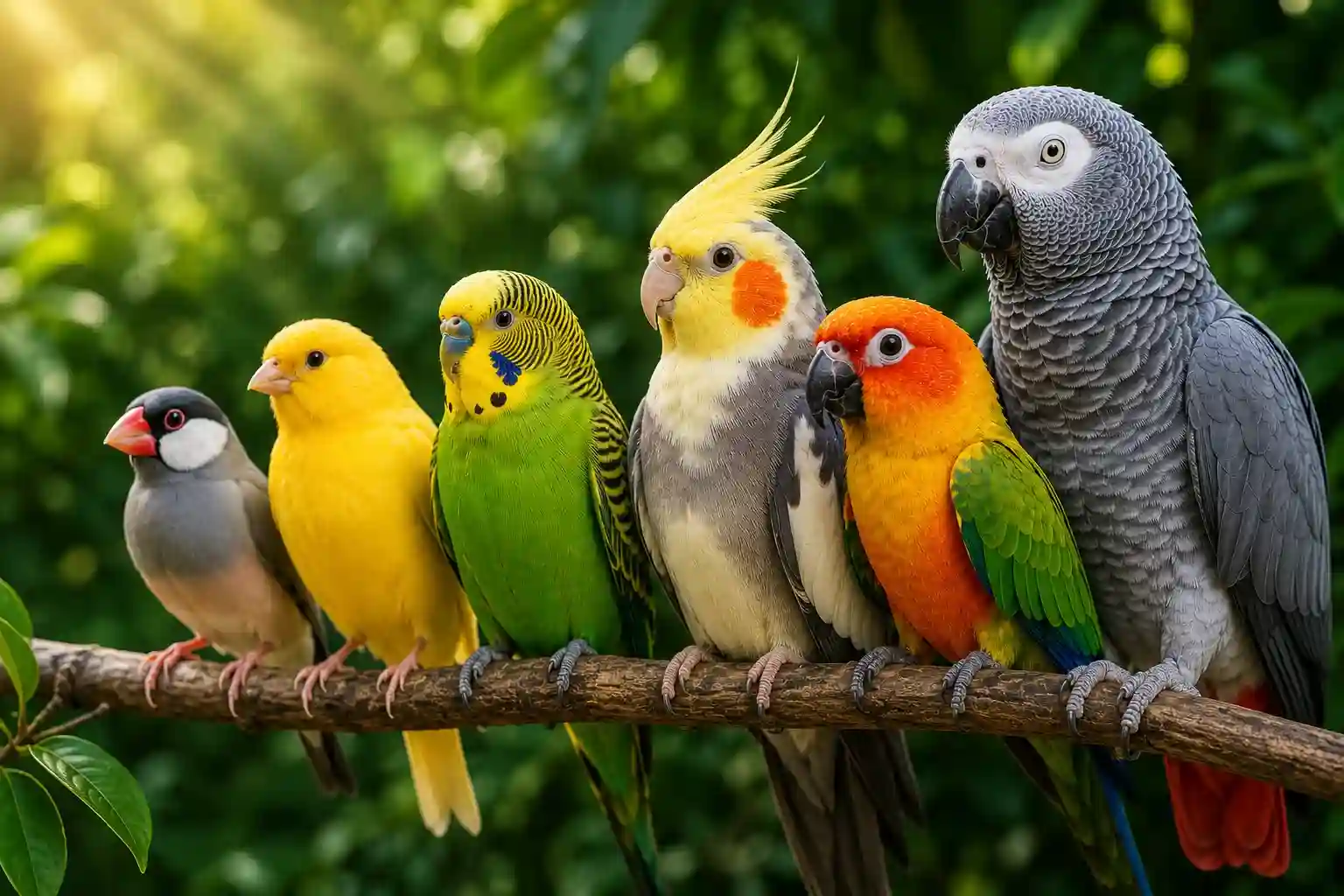
Quick Answer: Pet birds can live anywhere from 5 to 70+ years, depending on the species. Small birds such as finches typically live 5–9 years, canaries 10–15 years, and budgies 7–15 years, while medium-sized birds like cockatiels and conures often live 15–30 years. Large parrots, including African Greys, macaws, and cockatoos, can live 40–70+ years with proper nutrition, veterinary care, and daily mental enrichment.
Why Do Birds Live So Long?
People often ask exactly how long do pet birds live compared to typical mammals. To understand why pet birds live so long, we have to look at an interesting biological quirk.
In many animals, a faster metabolism usually means a shorter lifespan. Birds have very fast heart rates and burn a lot of energy every day, especially during flight. Normally, this fast metabolism would mean a shorter lifespan.
Yet, they don’t. Science has discovered that birds possess unique cellular traits that help them live longer. Their cells are better at handling damage linked to aging. The mitochondria within avian cells (the biological powerhouses) are incredibly efficient.
They produce energy without leaking the high levels of damaging free radicals that degrade the DNA in other animals. Essentially, a bird’s body is built to handle its fast-paced metabolism without wearing out.
To put this in perspective, contrast a bird’s lifespan with that of mammals of a similar physical size. A standard pet hamster and a canary are relatively close in weight. However, a hamster will generally live for two to three years, while a well-cared-for canary can easily thrive for 10 to 15 years.
The difference is even more obvious with larger species. A domestic rabbit weighing two to three pounds might live for 8 to 12 years. An African Grey parrot or a small macaw of the same weight can live for 50 to 60 years. This shows just how unique bird biology really is. Birds live much longer than many pets of a similar size, which is why owning one can become a decades-long responsibility.
How long do pet birds live?
The lifespan of a pet bird varies significantly by species. While small birds may live for less than a decade, many parrots can remain lifelong companions for several decades with proper care.
| Bird Species | Average Lifespan |
| Finches | 5–9 years |
| Canaries | 10–15 years |
| Budgies (Parakeets) | 7–15 years |
| Parrotlets | 15–20 years |
| Cockatiels | 15–25 years |
| Conures | 20–30 years |
| African Greys | 40–60+ years |
| Macaws | 50–70+ years |
| Cockatoos | 50–70+ years |
Table: Average lifespans of popular pet bird species. Individual longevity depends on genetics, diet, housing, veterinary care, and mental enrichment.
Average Lifespans for Small Birds
If you are thinking about how long do pet birds live when they are on the smaller side, you might assume their time is brief. However, small birds offer years, and sometimes decades, of companionship. To help them live as long as possible, you need to focus on understanding their specific physical and mental needs.
Finches (Zebra, Gouldian)
Average Lifespan: 5–9 years
Finches belong to the order Passeriformes and are fundamentally different from parrots. They are observant pets rather than hands-on companions. Trying to tame or handle a finch regularly often causes severe distress, and chronic stress is a primary reason these birds die prematurely.
To maximize their years, focus on their environment. They require a wide flight cage rather than a tall one, allowing them the horizontal space to dart back and forth. Providing a quiet, stress-free room and the company of their own kind is the best way to help a finch live a full life.
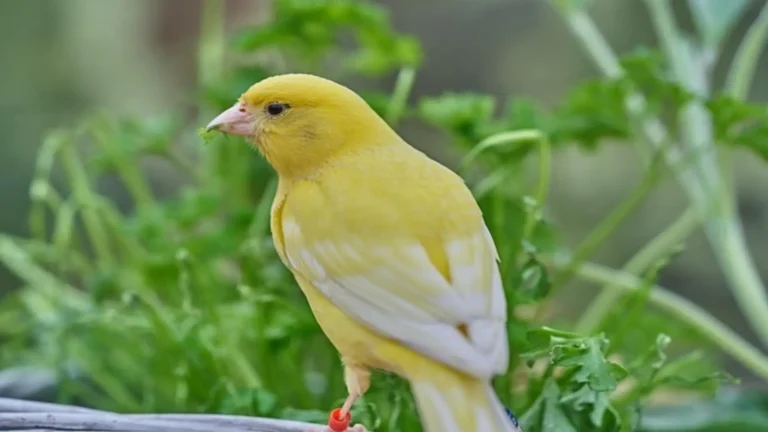
Canaries
Average Lifespan: 10–15 years
Also, members of the Passeriformes family, canaries are beloved for their melodic songs. While genetics plays a role in how long they live, their environment matters just as much. It is easy to accidentally disrupt a canary’s sleep cycle by keeping them up late in brightly lit rooms.
Proper lighting, specifically adhering to natural seasonal photoperiods, regulates their molting and hormone cycles, preventing physical exhaustion. Additionally, a canary’s longevity heavily relies on nutrition. Moving them away from an all-seed mix and introducing a balanced pelleted diet, alongside fresh leafy greens, prevents the liver issues that often shorten their lives.
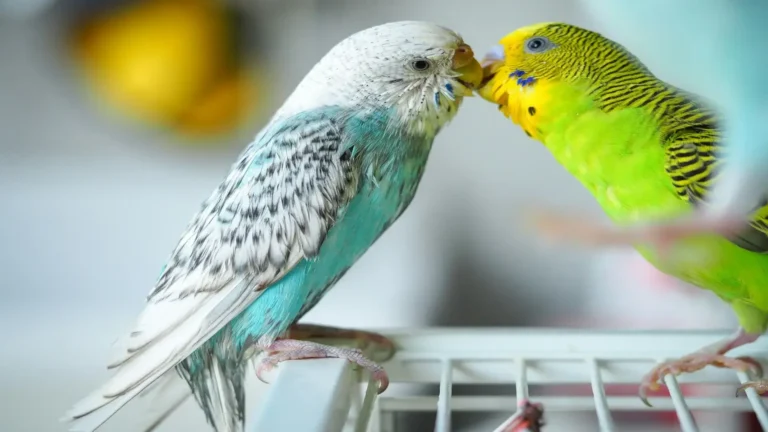
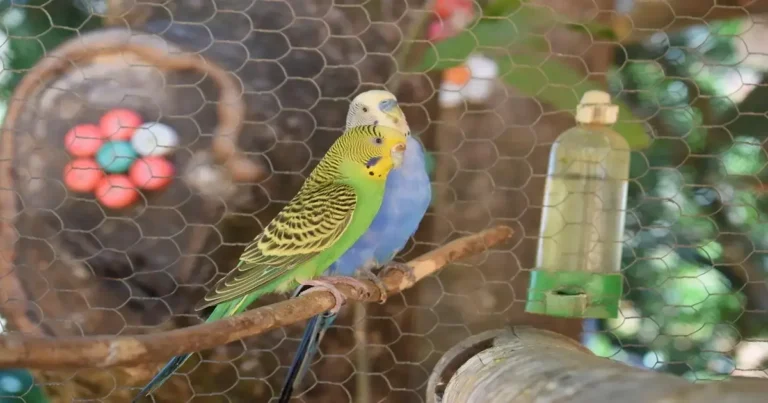
Budgerigars (Budgies / Parakeets)
Average Lifespan: 7–15 years
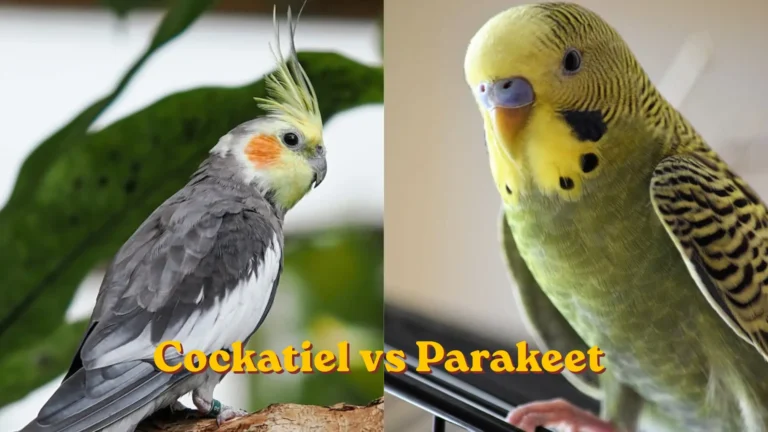
Budgies are the most common pet bird in the world, but their life expectancy varies significantly based on their breeding. When asking how long pet parrots live, budgie owners must differentiate between standard budgies and “show” budgies.
Standard budgies, which are closer to their wild Australian ancestors, have robust genetics and routinely live past a decade when provided with proper veterinary care and a balanced diet.
Conversely, English budgies (show budgies) have been intensely selectively bred for a larger physical size and distinct head shape. This breeding can cause health issues, often reducing their average lifespan to 5 to 7 years.
Parrotlets
Average Lifespan: 15–20 years
Parrotlets are true members of the Psittaciformes order; they are essentially big birds trapped in very small bodies. Despite their small size, parrotlets possess the intelligence and personality of much larger parrots and thrive on the same level of enrichment and interaction.
A Parrotlet left in a cage with only a single perch and a seed bowl will quickly develop stress-induced, destructive habits, such as feather plucking. To ensure they reach their full 20-year potential, owners must encourage natural foraging behavior. Providing complex toys, training sessions, and plenty of out-of-cage interaction keeps their minds sharp and their immune systems strong.
How Long Do Medium Birds Live?
Medium-sized birds naturally need a longer commitment. Medium-sized birds naturally need a longer commitment. If friends or family ask how long do pet birds live once they graduate from finches to conures, the answer is often measured in decades. These birds bond closely with their owners. At this size, a bird’s physical health becomes even more closely tied to advanced daily care, long-term dietary habits, and emotional stability.
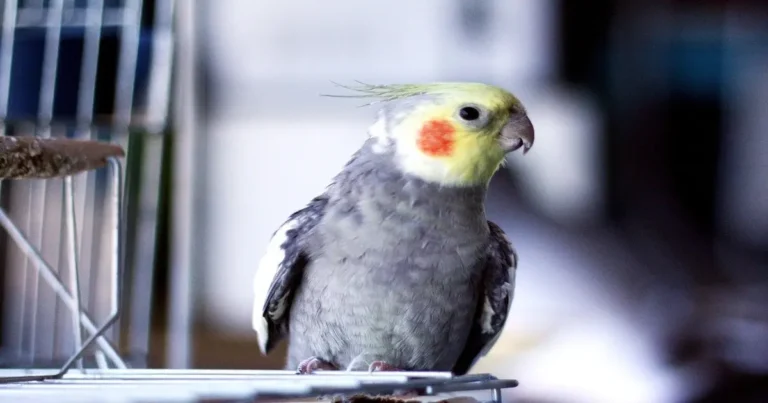
Cockatiels
Average Lifespan: 15–25 years
Cockatiels are known for being gentle and affectionate, making them a favorite in many households. However, their life expectancy is often shortened by preventable health issues.
The most common danger is a seed-only diet. While seeds are a natural part of a wild cockatiel’s foraging, commercial seed mixes are far too high in fat for a captive bird. Over time, this leads to fatty liver disease, a highly dangerous condition. Transitioning them to a high-quality pelleted diet alongside fresh vegetables is essential for their health.
Additionally, female cockatiels face a severe risk from chronic egg-laying, which severely depletes their calcium reserves and often leads to egg-binding—a life-threatening emergency where the bird cannot pass an egg. Managing their light exposure and removing nesting triggers are vital steps to protect a female cockatiel throughout her adult life.
Conures (Green-Cheeked, Sun)
Average Lifespan: 20–30 years
Conures are very active birds. Whether you have a quieter Green-Cheeked or a vocal Sun Conure, these birds are in constant motion. To reach the upper end of their 30-year age span, they benefit from an environment that matches their physical output. A small, standard cage is entirely insufficient; they need a spacious flight cage that allows them to climb, hang, and exercise their wings fully to maintain cardiovascular health.
Beyond physical space, conures flourish with constant social interaction. They are flock-oriented animals and view their human caretakers as their family. Leaving a conure isolated for long hours causes severe stress. To remain mentally and physically healthy, they need daily out-of-cage time, active engagement, and inclusion in the household routine.
How Long Do Large Parrots Live?
When researching the average life expectancy of parrots, large species can live much longer than people expect. Getting a large parrot means bringing home a companion for most of your adult life. Because they live so long, you must be fully committed to providing complex physical and mental care for decades.
African Greys
Average Lifespan: 40–60+ years
African Greys are widely considered the most intelligent of all pet birds, with the intelligence and emotions of a toddler. Their typical parrot lifespan easily spans four to six decades. Because of this extraordinary intelligence, an African Grey’s physical health is deeply entwined with their mental state.
African Greys need regular mental stimulation to stay healthy. To enjoy a long lifespan, they depend on advanced cognitive engagement, complex puzzle-solving tasks, and continuous learning. If an African Grey is neglected or under-stimulated, it can easily become severely stressed. This frustration often leads to feather plucking—a serious condition that harms their health, and is incredibly difficult to cure once the habit forms.
Macaws & Cockatoos
Average Lifespan: 50–70+ years
Macaws and Cockatoos are some of the longest-living pet birds. It is incredibly common for these magnificent birds to live half a century, and many well-cared-for individuals live well past 70 years. Because of this, owners need to plan: these birds will likely outlive them.
Caring for a macaw or a cockatoo means planning for a future you may not be a part of. It is a critical responsibility of ownership to make concrete, long-term arrangements for the bird’s future. This often involves establishing a formal estate plan or a pet trust that explicitly designates a prepared, willing caregiver, along with funds for their continued veterinary care. Without a plan, many senior parrots end up in rescues after their original owners pass away.
Which Pet Birds Live the Longest?
When calculating exactly how long do pet birds live at the absolute maximum, Macaws and Cockatoos usually top the charts. They are generally the longest-lived species, often reaching 50–70+ years with excellent care. African Greys also have impressive lifespans, frequently living 40–60 years or more. Their exceptional longevity means adopting one of these birds is often a lifelong commitment that may span several decades. Prospective owners should carefully consider the long-term responsibilities, costs, and care requirements before bringing home a large parrot.
5 Ways to Help Your Bird Live Longer
While genetics sets the absolute baseline for how long do pet birds live in captivity, their daily environment determines whether they actually reach those senior milestones. Helping a bird thrive for decades in captivity depends on species-specific care. Here are five ways to help your bird live longer.
A Healthy, Balanced Diet
The best way to extend your bird’s life is to stop feeding them only seeds. In the wild, birds burn enormous amounts of energy flying miles each day, allowing them to process the high-fat content of seeds. In a domestic setting, an all-seed diet often leads to obesity, vitamin A deficiency, and fatty liver disease.
The foundation of a healthy baseline is a high-quality pelleted diet, carefully formulated for their specific species. This base must then be supplemented daily with fresh, dark leafy greens, complex carbohydrates like sweet potatoes, and safe fruits to provide complete nutrition.
The Right Cage Setup
A bird’s cage should be a comfortable home, not just a holding space. A small cage limits movement, leading to muscle loss and poor heart health. A wide flight cage is a necessity for almost all species, providing the horizontal space required to jump, stretch, and actively flap their wings.
Inside the cage, ditch the uniform wooden dowels that come standard with most setups. Providing natural wood perches of varying diameters forces the bird’s feet to grip differently each time they move, preventing crippling conditions like arthritis and bumblefoot as they age.
Regular Vet Visits
Birds are flock animals and masters at hiding illness; showing weakness in the wild makes them a target for predators. By the time a pet bird visibly looks sick, the illness is usually very serious. This makes annual, preventative wellness checks essential.
It is also vital to understand the difference between a general practitioner and an avian veterinarian. Specialized avian vets have the specific training, equipment, and baseline knowledge to accurately interpret avian bloodwork, perform crop swabs, and identify subtle weight changes before they become life-threatening emergencies.
Veterinary Insight
Birds are experts at concealing illness. Regular wellness exams with an avian veterinarian can help detect health issues early, making preventive care one of the most important factors in supporting a longer lifespan.
Household Hazards
Our homes contain hidden airborne hazards for birds. A bird’s respiratory system is efficient, designed to extract oxygen at high altitudes, which unfortunately makes them highly susceptible to airborne toxins.
A leading cause of sudden, tragic death in pet birds is PTFE toxicity. This chemical is widely used in non-stick Teflon cookware, self-cleaning ovens, and certain space heaters. When heated, it emits an odorless gas that is fatal to birds. To protect their lifespan, owners must eliminate these items, alongside aerosols, synthetic scented candles, plug-in air fresheners, and toxic houseplants.
Mental Enrichment
A bird’s mental and physical health are closely connected. Parrots and small birds alike possess highly active minds. In the wild, they spend up to 70% of their waking hours actively searching for food. Placing food in a simple metal bowl strips away this essential activity.
Encouraging natural foraging prevents the severe boredom and stress that causes feather plucking, screaming, and weakened immune systems. Daily training sessions and consistent out-of-cage interaction are not just for fun; they are mandatory for long-term mental health.
How to Care for an Aging Bird
Caring for a bird in its senior years requires a gentle approach. As your companion reaches the upper limits of their parrot age span, their daily needs will inevitably shift.
Recognizing the Signs of Aging
The physical signs of aging in birds are often subtle at first. You might notice your bird is simply less active, choosing to sleep longer during the day or taking fewer laps around the room. Decreased mobility is a primary indicator; a bird that used to swing energetically from the cage roof might now prefer sitting quietly in a single spot.
You must watch their eyes and movements closely. Cloudy, opaque lenses often indicate the development of cataracts, which will gradually reduce their vision and make them easily startled. Additionally, reluctance to step onto your hand, vocalizing when moving, or resting with their abdomen flat against a surface points to joint pain and arthritis.
Essential Cage Modifications
When these signs of aging appear, you must adapt their living space to support their changing body. A senior bird’s cage should focus on safety and comfort.
Start by lowering their perches closer to the cage floor. If an older bird loses their balance and falls, a shorter drop significantly reduces the risk of serious injury.
You should also introduce flat platform perches. Standard branches need constant grip strength, but a flat platform allows an arthritic bird to lay their feet completely flat and rest their joints. Finally, make their meals highly accessible. Install extra food and water bowls right next to their favorite resting spots, ensuring they never have to climb or struggle to reach them.
Final Thoughts
At the end of the day, when people research “how long do pet birds live,” they really just want to know how much time they get with their companion. As we have explored across the different species, a bird’s maximum age is undeniably anchored in their genetics. A budgie will not outlive a cockatoo. However, genetics only provide a potential timeline; it is the quality of daily care that determines if a bird actually reaches those senior years.
Good care can help extend their life. Caring for a bird requires active daily involvement.
At PawsHatch, our ultimate goal is to help you build a thriving environment for your companion from day one. Learning about your bird’s needs helps you care for them better, understand how intelligent they are, and commit fully to their long-term well-being. Over time, many bird owners develop extremely close bonds with their pets.