
Watching a small bird navigate a flight cage brings a distinct energy to a room. Canaries stand out among pets because they offer melodic songs without demanding the physical handling that larger parrots need. Their natural independence makes them a practical choice for a first-time owner with a busy schedule.
If you are setting up your first enclosure, this Canary Care Guide provides the baseline information to get started. We will walk through the core aspects of daily management. This includes selecting a proper horizontal flight space, providing a balanced diet of seeds and fresh vegetables, and monitoring basic health indicators. You will also learn what factors encourage a male to sing and how to establish a low-stress routine.
Caring for these birds takes consistency rather than complex skills. By observing their daily habits and maintaining a clean environment, new owners handle the responsibility with confidence. You do not need prior bird experience to keep a healthy, active companion in your home.
What Is a Canary?
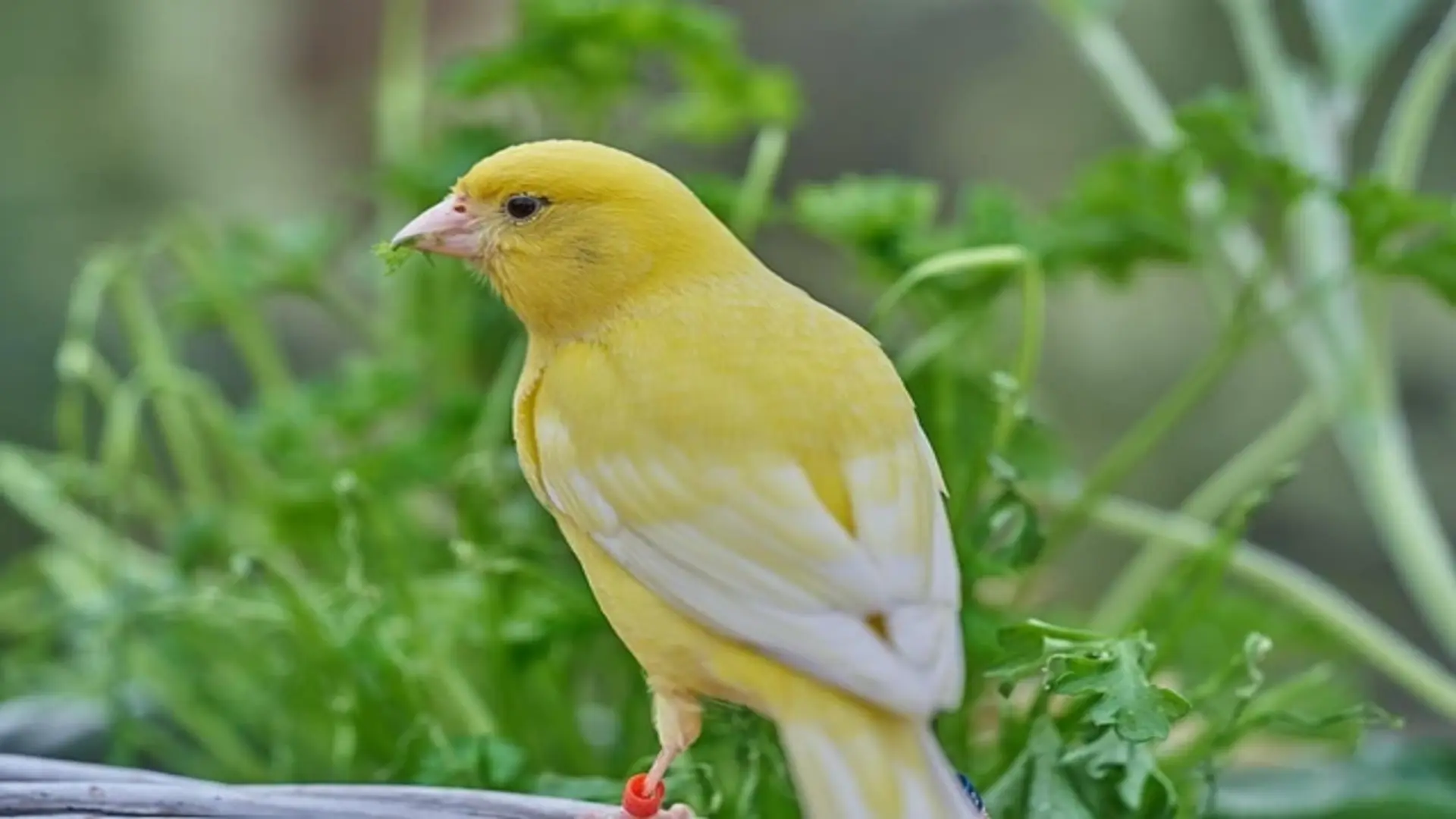
A pet canary is a small songbird belonging to the finch family. Unlike a wild canary, a domestic canary is a domesticated bird adapted to indoor life. It is a popular companion bird because it provides pleasant company without needing physical handling. For anyone seeking a beginner bird, learning about the different canary species is the first step.
A canary is supposed to sit in a cage and look at someone else’s happiness. Well, sit tight. (Chekhov, 1889–1891 [1978], p. 182; translation)
Quick Facts: Canary Species Overview
| Attribute | Details |
| Common Name | Domestic Canary |
| Scientific Name | Serinus canaria |
| Family | Fringillidae |
| Bird Type | Ornamental small domestic bird |
| Origin | Canary Islands, Azores Islands, and Madeira Island |
| Length / Size | 12 to 15 cm long |
| Wingspan | 20 to 23 cm |
| Average Weight | 15 to 20 g |
| Average Lifespan | 8 to 10 years |
| Primary Diet | Granivore (seeds, formulated pellets, fresh greens) |
| Care Difficulty | Beginner |
| Temperament | Peaceful, independent, non-handling |
| Noise Level | Moderate (males produce structured melodies) |
Origin and History of Canaries
The lineage of today’s pets traces back to the wild Atlantic Canary, a small greenish finch native to the Canary Islands. In the 1400s, sailors from Spain brought these birds back to mainland Europe. This initiated their domestication. Over centuries of selective breeding across Europe, fanciers transformed the original wild bird into the colorful pet we recognize today.
Why Canaries Are Popular Pet Birds
Owners appreciate having a singing bird that adds background melody to a home. They serve as a low-maintenance pet compared to larger parrots that need daily out-of-cage interaction and behavioral training.
Their compact footprint makes them a practical apartment bird, fitting well into smaller living spaces without causing noise disturbances for neighbors. For individuals with demanding schedules, following a basic canary care guide makes them forgiving beginner pet birds.
Common Types of Pet Canaries
Breeders categorize them by song, color, and physical type. The American Singer Canary is prized for a melodic, structured voice. The Red Factor Canary features striking orange plumage influenced by its daily diet. Owners drawn to unique shapes favor the crested Gloster Canary or the tall Yorkshire Canary.
[For an in-depth look at these varieties, read our guide on the different [Types of Canaries].
Are Canaries Good Pets?
People researching bird ownership ask, are canaries good pets? For a first-time bird owner, they represent a practical companion animal. Their mild canary personality makes them an easy pet bird to manage on a daily basis. With a manageable noise level, they fit seamlessly into apartment living. They are a classic beginner bird pet.
Benefits of Keeping a Canary
The main appeal is their singing. A healthy male provides a pleasant background melody. They require a small cage footprint, fitting well on a quiet living room stand.
As an independent bird, they entertain themselves with basic toys and natural perches. This independence translates to easy care. Owners provide fresh food, change the water, and enjoy their company from a short distance without needing to conduct training sessions.
Challenges New Owners Should Know
Owners need to understand a few core limitations. This is a fragile bird. Sudden loud noises or chaotic household movement cause rapid stress. They do not tolerate handling; grabbing them triggers panic and risks physical injury. Locating proper veterinary care takes effort. These small birds require a specialized avian vet rather than a standard dog and cat clinic, requiring advanced research.
Who Should Choose a Canary?
These birds fit distinct lifestyles well. Seniors appreciate their continuous song and low physical demands. Apartment dwellers benefit from their modest volume. Busy professionals appreciate that the bird stays content in a spacious cage during long work shifts. For people wanting an active focal point without daily out-of-cage requirements, they remain a top choice for beginner bird keepers.
Male vs Female Canaries
When deciding between a male vs female canary, owners notice distinct behavioral patterns. The main distinction involves vocal ability during courtship. A male uses complex melodies to attract a mate during the breeding season. This territorial behavior drives his consistent vocalizations.
Many owners ask, do female canaries sing? Females produce short chirps and basic calls rather than full songs. If you want a companion for continuous male canary singing, gender plays the defining role. Song quality remains the primary differentiator for buyers.
Appearance Differences
Visual identification presents a challenge. Males and females share identical plumage colors and patterns. Their overall body shape looks the same on a perch. Breeders determine gender through vent sexing during spring, checking physical changes in the lower abdomen. For the average owner, observing vocal habits remains the most reliable way to confirm the gender of a young bird.
Which Canary Sings Better?
The male stands out as the definitive song canary. He develops a structured territorial song to establish his space and communicate readiness for a mate. This mating behavior peaks in the spring, resulting in frequent melodies throughout the day.
A female limits her sounds to soft peeps and single-note chirps. If song quality dictates your choice, select a guaranteed male. A strong male will pause his vocalizations during the late summer molt.
Which Gender Is Best for Beginners?
Pet suitability depends on your household preferences. A male provides the classic background music many people expect, bringing a higher noise level. A female offers a quieter presence. Both share a mild temperament and stay content within their enclosures. A female requires less attention regarding seasonal aggression, making her a calm option for a quiet living space.
Canary Lifespan and Long-Term Commitment
When bringing a bird home, reading a canary care guide sets practical expectations. New owners ask, how long canaries live? A pet canary’s lifespan extends far beyond that of a small hamster or guinea pig.
Achieving this longevity relies on consistent daily habits. Providing quality nutrition and establishing a routine for preventive care keeps a bird active as it ages. Locating a qualified avian veterinarian ahead of time ensures you have practical guidance if minor issues arise.
Average Lifespan of a Pet Canary
An indoor bird lives ten to fifteen years on average. A few robust individuals reach up to twenty years. This captive lifespan surpasses that of wild birds facing predators and weather extremes.
A decade or more of daily feeding, watering, and observation requires an ongoing commitment. Buyers need to prepare for this long-term responsibility before purchasing an enclosure.
Factors That Affect Lifespan
Specific daily habits determine a bird’s overall health. A balanced diet consisting of seeds, formulated pellets, and fresh produce prevents common nutritional gaps. Stress reduction helps maintain a strong immune system.
Positioning the cage away from loud televisions, drafts, and busy hallways provides a calm environment. Routine cage hygiene protects delicate lungs. Removing soiled paper liners and washing food dishes stops bacterial growth. Routine veterinary checkups catch subtle changes in weight or feather condition before visible symptoms appear.
Canary Cage Setup
Getting a canary cage setup right prevents health issues later. The best cage for canaries gives them room to move naturally.
Owners need to evaluate the canary cage size before bringing a bird home. A practical layout includes an open horizontal flight path, a stable perch, and easy access to a food dish and a water dispenser. Thoughtful cage placement finishes the setup.
Choosing the Right Cage Size
These birds do not climb bars like parrots. They navigate their environment by flying side to side.
This requires adequate horizontal flight space. A tall, narrow enclosure restricts their movement. When checking cage dimensions, prioritize width over height. A width of 24 inches works well for a single bird. The standard cage size is 75 cm long, 30 to 35 cm high, and 25 to 35 cm deep.
Pay attention to bar spacing. Gaps wider than 1.2 cm cause a safety hazard.
Essential Cage Accessories
A bare enclosure needs a few functional additions. Start by installing a natural wood perch. Adding branches of varying thickness prevents foot sores.
Attach a cuttlebone to the inside wire to provide calcium. Add a designated food bowl for daily seeds. Keep a separate dish for fresh vegetables.
Offer a shallow bath dish a few times a week. Remove it once the bird finishes splashing. Keep toys minimal to preserve flying room.
Best Location for a Canary Cage
Where you place the enclosure impacts the bird’s well-being. Look for a quiet corner away from direct household traffic.
Avoid placing the setup near cold drafts or air vents. While natural sunlight benefits them, ensure part of the cage remains shaded.
Keep the enclosure out of the kitchen. Non-stick pans release kitchen fumes that damage delicate lungs. Good room ventilation keeps the air fresh.
Lighting and Sleep Requirements
Canaries rely on consistent daylight cycles to regulate their behavior, molting schedule, and singing activity. Place the cage in a bright room with access to natural daylight, but avoid prolonged direct sun exposure that could overheat the enclosure. Most canaries benefit from approximately 10–12 hours of light and 10–12 hours of uninterrupted darkness each day. Covering the cage at night or keeping it in a quiet room helps support healthy sleep patterns and reduces stress.
Ideal Temperature for Canaries
Canaries are comfortable in typical indoor temperatures between 65°F and 80°F (18°C–27°C). Sudden temperature fluctuations are often more problematic than gradual seasonal changes. Keep the cage away from drafty windows, air-conditioning vents, heaters, and frequently opened exterior doors. Maintaining a stable environment helps reduce stress and lowers the risk of respiratory problems.
Common Cage Setup Mistakes
New owners sometimes pack the space with too many items. Overcrowding limits movement and forces the bird to hop instead of flying.
Skip the decorative round cages seen in pet stores. These shapes disorient the bird and reduce horizontal flying room.
Placing the enclosure tightly against a corner causes poor airflow. Leave a small gap behind the cage to prevent dust buildup.
Recommended Canary Cage Setup Checklist
| Item | Recommendation |
| Cage Width | Minimum 24 inches |
| Perches | Multiple natural perches |
| Food Dishes | Separate food and water |
| Bath Dish | 2–3 times weekly |
| Toys | Light enrichment only |
| Cage Placement | Bright, draft-free area |
Best Diet for Canaries
Establishing the best food for canaries keeps them active and bright. When new owners ask what canaries eat, they picture a basic bowl of seeds. A proper canary diet goes beyond that.
This canary feeding guide outlines how to combine a standard seed mix with formulated pellets. Adding leafy greens and fresh vegetables provides essential nutrients. Providing a constant source of calcium supports bone strength.
What Do Canaries Eat in the Wild?
Looking at their natural habitat explains their daily needs. Wild flocks spend their days foraging on the ground. They pick at native grasses and plant seeds.
They consume different types of weeds found in open fields. During certain seasons, they catch small insects for added protein. This varied foraging behavior keeps wild populations active.
Seed Mixes and Pellets
Providing balanced nutrition takes a deliberate approach. A commercial seed blend serves as a familiar base. Relying on seeds alone leads to problems down the road.
Seeds contain fat levels that cause obesity in caged birds. To fix this imbalance, owners introduce formulated pellets.
These small pieces contain measured vitamins in every bite. Transitioning a bird to eat them requires patience. Eating pellets prevents a long-term vitamin deficiency.
Fresh Vegetables and Fruits
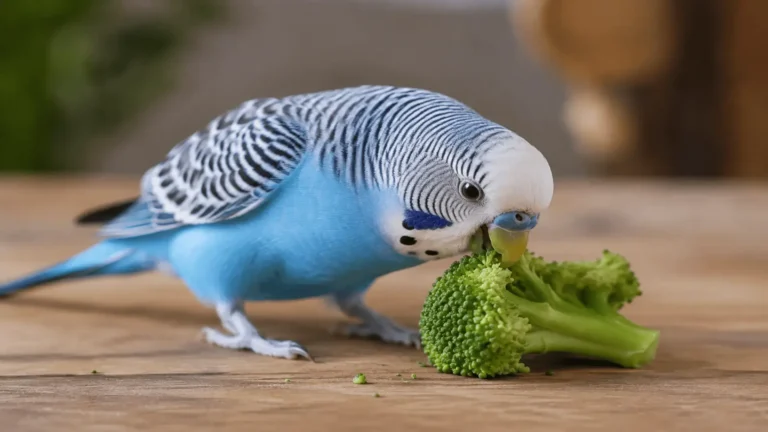
Fresh produce adds vital nutrients to the daily routine. Owners chop up small portions of raw vegetables to serve in a separate dish. Offering a piece of dark green kale or a floret of broccoli gives them something to shred and chew.
Offer spinach occasionally, keeping portions small. A shredded raw carrot brightens their food bowl. A thin slice of an apple serves as a sweet treat. Remove leftover items after a few hours to prevent spoilage.
Foods Canaries Should Never Eat
Certain household foods cause internal damage to a small bird. Keep these items out of the feeding rotation.
Giving a bird an avocado leads to severe physical distress. Dropping a crumb of chocolate introduces toxic compounds that their bodies cannot process. Any liquid containing caffeine or alcohol can cause fatal reactions.
Kitchen scraps containing onion damage red blood cells. Keep your bird safe by washing your hands after preparing these ingredients.
Safe and Unsafe Foods for Canaries
| Safe Foods | Avoid |
| Broccoli | Avocado |
| Kale | Chocolate |
| Spinach (occasionally) | Caffeine |
| Carrot | Alcohol |
| Apple (seedless) | Onion |
| Bell Pepper | Garlic |
Do Canaries Need Companions?
When planning a cage setup, owners ask, do canaries need a companion? Unlike flock-oriented parrots, this species operates well as a solitary bird. Leaving canaries alone prevents daily space disputes.
Before considering keeping two canaries, understand their territorial behavior. Pair housing requires a wide flight space and direct observation to keep both birds safe.
Can a Single Canary Live Happily Alone?
A single bird thrives in a standard cage. They entertain themselves by flying between perches and sorting through food dishes. Adding items like a swing offers necessary environmental enrichment.
While they avoid handling, they recognize daily routines. Talking to them while changing their water provides safe owner interaction. A solo male maintains his song when he holds an undisputed space.
Keeping Multiple Canaries Together
Placing two males in one cage triggers territorial behavior. This aggression leads to physical fights over food bowls. A male and female pair also face problems.
Spring brings breeding season conflicts. A male will chase a female until she is exhausted.
Their social needs remain low. If you want multiple birds, keep them in separate cages in the same room. They hear each other without risking physical harm.
For more details on housing dynamics, read our guide: [Do Canaries Need a Companion?].
Bathing and Grooming
Routine canary grooming keeps a bird comfortable. While they manage most tasks themselves, owners step in for specific needs.
Setting up a schedule for canary bathing supports long-term feather health. Owners also monitor the enclosure for signs that a bird needs nail trimming or basic beak maintenance.
How Often Should Canaries Bathe?
Offer a shallow bath dish two to three times a week. Watch how the bird approaches the water.
Some birds splash right away. Others prefer to stand on the edge and dip their heads. Morning bathing gives them time to air dry before nightfall.
Regular access to water maintains good feather condition. Splashing removes loose dust from their plumage. Take the dish out once the bird finishes to keep the bottom tray dry.
Nail and Beak Maintenance
Keep an eye on the bird’s feet while it grips a branch. Overgrown nails get caught in toys or metal gaps.
Using natural wood branches creates normal perch wear, keeping nails blunt. If the tips curl too far, ask an avian vet for a safe trim.
A standard cuttlebone gives the bird a place to rub and shape its beak.
Feather Care Tips
After a wash, the bird spends time preening on a quiet perch. This natural habit zips the feathers together.
Providing a good diet remains the best way to sustain vibrant feather quality year-round.
Common Canary Health Problems
Recognizing canary health problems early keeps a small bird safe. Because they hide weakness, a sick canary needs quick attention. A reliable canary care guide emphasizes regular observation to prevent conditions like infectious diseases, malnutrition, and respiratory infection from going unnoticed. Finding an avian veterinarian before you need one is a practical step.
Signs of a Healthy Canary
A healthy bird moves across perches with clear alertness. They greet the morning by visiting their food dish, showing a steady appetite throughout the day.
Their resting posture looks sleek, with smooth feathers lying flat against their body. Their eyes look bright and wide open. They maintain a steady grip on wooden branches and navigate their flight cage without hesitation.
Warning Signs of Illness
Birds mask their symptoms to survive in nature. When an owner spots a physical change, the condition has progressed. Lethargy stands out as a clear red flag. A bird sitting at the bottom of the cage, sleeping during daylight hours, needs help.
Watch their posture. Sitting with fluffed feathers for long periods indicates a drop in body temperature.
Listen to them breathe. Hearing a clicking sound or seeing a tail bob up and down points to labored breathing. Catching these visual cues makes a difference in recovery.
Practical Expert Observations
Experienced owners check the cage paper every morning. Changes in the color or texture of droppings provide the first visual cue of digestive issues.
Watch their footing on the branches. A bird resting flat on its belly or showing a weak grip reveals physical fatigue before other symptoms appear.
Managing the Molting Process
New keepers mistake the late summer molt for an illness. Shedding and regrowing feathers drains a bird’s physical energy, making them quiet and tired.
Look for small pinfeathers on the head and neck to confirm this natural seasonal shift. Offer egg food to support feather growth and keep the room calm.
The Role of Physical Exercise
Restricted movement causes hidden health decline. Birds kept in tall, narrow enclosures lose muscle strength and gain excess weight.
A wide horizontal flight setup forces the bird to travel back and forth between perches. This continuous movement burns fat and maintains their heart health.
Common Health Issues in Canaries
Routine ailments appear in these pets. A clicking noise when breathing points to air sac mites, tiny pests settling in their airways. External scratching and restless nights point toward feather mites. Drafty rooms or dirty cage liners lead to general respiratory disease.
Female birds face a specific risk called egg binding. This happens when a bird cannot pass an egg, requiring urgent medical intervention.
Inside the cage, a diet of pure seeds lacking variety causes obesity, shortening their lifespan. Owners manage these risks through balanced diets and daily cage maintenance.
When to Contact an Avian Veterinarian
Knowing when to seek professional help saves lives. Call an avian veterinarian if you notice tail bobbing or other respiratory problems.
Reach out if excessive scratching indicates mites or unexplained feather loss. A female showing signs of egg binding needs help that same day. Changes in droppings that signal digestive issues warrant a phone call to the clinic.
Signs of a Healthy Canary vs Signs of Illness
| Healthy Canary | Possible Illness |
| Active and alert | Lethargic |
| Smooth feathers | Fluffed feathers |
| Singing regularly | Sudden silence |
| Normal appetite | Reduced eating |
| Bright eyes | Discharge around eyes |
For more information on identifying and treating ailments, read our guides on [Common Canary Diseases] and the [Signs of a Sick Canary].
Why Is My Canary Not Singing?
Owners ask, ” Why is my canary not singing?” When a vocal male goes quiet, it causes concern. A canary stopped singing for specific reasons.
Some tie into the breeding season and shifts in daylight hours. Others point to molting or stress.
Normal Reasons for Reduced Singing
Silence does not always mean a problem exists. During late summer, birds enter the molting season. They drop old feathers and grow new ones.
This takes substantial physical energy. To conserve resources, a male will pause his melodies. This seasonal behavior lasts for several weeks.
Once the new feathers finish coming in, the vocalizations return. Changes in natural lighting also play a role.
As daylight hours decrease in autumn, their hormone levels shift, signaling the end of the breeding season. A quiet bird during these months shows a natural biological response.
Stress and Environmental Causes
A drop in song points to environmental disruptions. These birds thrive on routine. A recent relocation to a new room causes temporary silence while the bird evaluates the space.
Experiencing loud noise from televisions or construction equipment creates ongoing stress. Even minor cage changes, like introducing new perches or unfamiliar toys, disrupt their comfort zone.
They prefer a predictable setup. Once they feel secure in their environment without sudden disturbances, they resume their vocal habits.
Health Problems That Affect Singing
If seasonal shifts or cage disruptions do not explain the silence, observe the bird for physical signs of illness. A sick bird stops vocalizing to hide weakness.
Listen for a clicking sound when they breathe. Respiratory issues prevent them from producing clear notes.
Look at their posture on the perch. A bird spending the day with fluffed feathers lacks the energy to sing.
Common Beginner Mistakes
Learning beginner canary care involves a learning curve. Recognizing the common mistakes outlined in this canary care guide keeps a new pet safe and comfortable.
Feeding an All-Seed Diet
Many new owners fill the food bowl with store-bought seeds and consider the job finished. A seed-only diet lacks essential vitamins and leads to physical decline over time.
Birds fed this way lose their daily energy and develop poor feather quality. Introducing a mix of formulated pellets and fresh daily vegetables corrects this nutritional gap.
Choosing the Wrong Cage
Buyers gravitate toward tall, decorative enclosures that look nice in a living room corner. These narrow designs restrict natural horizontal flight paths.
Adding too many toys and thick perches leads to overcrowding inside the limited space. A cluttered enclosure forces the bird to hop rather than fly, reducing their daily physical exercise.
Ignoring Early Signs of Illness
Birds hide physical weakness by instinct. Waiting until a bird sits at the bottom of the enclosure with ruffled feathers means the illness has progressed.
Poor cage hygiene contributes to respiratory issues that owners miss during the first few days. Monitoring their daily eating habits and droppings catches subtle problems earlier.
Overhandling a Canary
Unlike parrots, these small birds do not enjoy physical contact. Reaching into the cage to pet or hold them triggers sudden panic.
This forced interaction creates ongoing stress and breaks the trust between the bird and the owner. They prefer to stay secure within their territory. Owners build a bond through quiet observation and consistent daily feeding routines.
Daily Care Routine
Establishing a canary daily care schedule keeps the environment hygienic and the bird comfortable. A practical canary care routine breaks down into manageable steps.
Owners provide fresh water, maintain a consistent feeding schedule, and handle cage cleaning through regular observation.
Daily Tasks
Start the morning with a water change. Wash the drinking dish with mild soap to prevent slime buildup.
Next, do a food refresh by removing empty seed husks and adding a new measured portion. Toss out wilted vegetables from the day before.
Use this time for a quick health check. Look at the bird to ensure it appears active and ready to eat.
Weekly Tasks
Set aside time each week for deeper maintenance. Replace the bottom paper liner to prevent odor and dust accumulation.
Perform a thorough perch cleaning by scrubbing away dried droppings from the wooden branches. This protects the feet from bacterial infections.
Follow up with proper bath sanitation. Wash the plastic bathing container to keep the water fresh for the next splash.
Monthly Tasks
Once a month, the enclosure needs a deep cleaning. Wipe down the metal bars to remove seed dust and dander.
Review their ongoing feeding habits to see if they need a pellet variety. Conduct a focused observation session to note changes in feather quality or energy levels.
Perform basic grooming checks. Look at the nails and beak to see if they require a trim from a vet.
Canary Care Guide Frequently Asked Questions (FAQs)
Still have questions about caring for a pet canary? Here are answers to some of the most common concerns new owners have.
Final Thoughts
Bringing a small bird into your home requires a practical approach to daily management. A safe experience starts with proper housing that offers wide horizontal flight space.
Combining a balanced diet of seeds, formulated pellets, and fresh produce prevents common nutritional gaps and obesity. Setting up preventive health care with a qualified avian vet keeps minor issues from escalating into serious conditions.
Maintaining a consistent daily routine for feeding and cage hygiene reduces environmental stress. This helps build a secure foundation for a new pet.
Building a comfortable environment takes continuous observation. Encourage better habits by expanding your knowledge base. Return to this canary care guide and read through our specific diet, cage setup, health, and breeding articles to refine your ongoing care schedule.
References
- Petri, Olga, and Philip Howell. 2020. “From the Dawn Chorus to the Canary Choir: Notes on the Unnatural History of Birdsong”. Humanimalia 11 (2): 163-92. https://doi.org/10.52537/humanimalia.9457.
- https://watchbird-ojs-tamu.tdl.org/watchbird/index.php/watchbird/article/view/2070
- https://www.researchgate.net/profile/Berna-Jilenkerian/publication/395450879_The_Comprehensive_Guide_to_the_Care_and_Production_of_Serinus_canaria_Birds/links/68c72aa011d348252ba58857/The-Comprehensive-Guide-to-the-Care-and-Production-of-Serinus-canaria-Birds.pdf
- https://archive.org/details/avianmedicinepri0000unse/mode/2up?q=cage+size
- https://archive.org/details/avianmedicinepri0000unse/page/34/mode/2up?q=cage+size