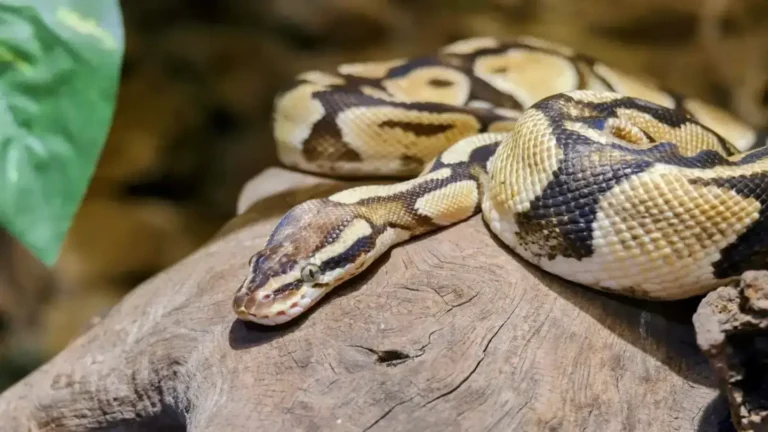

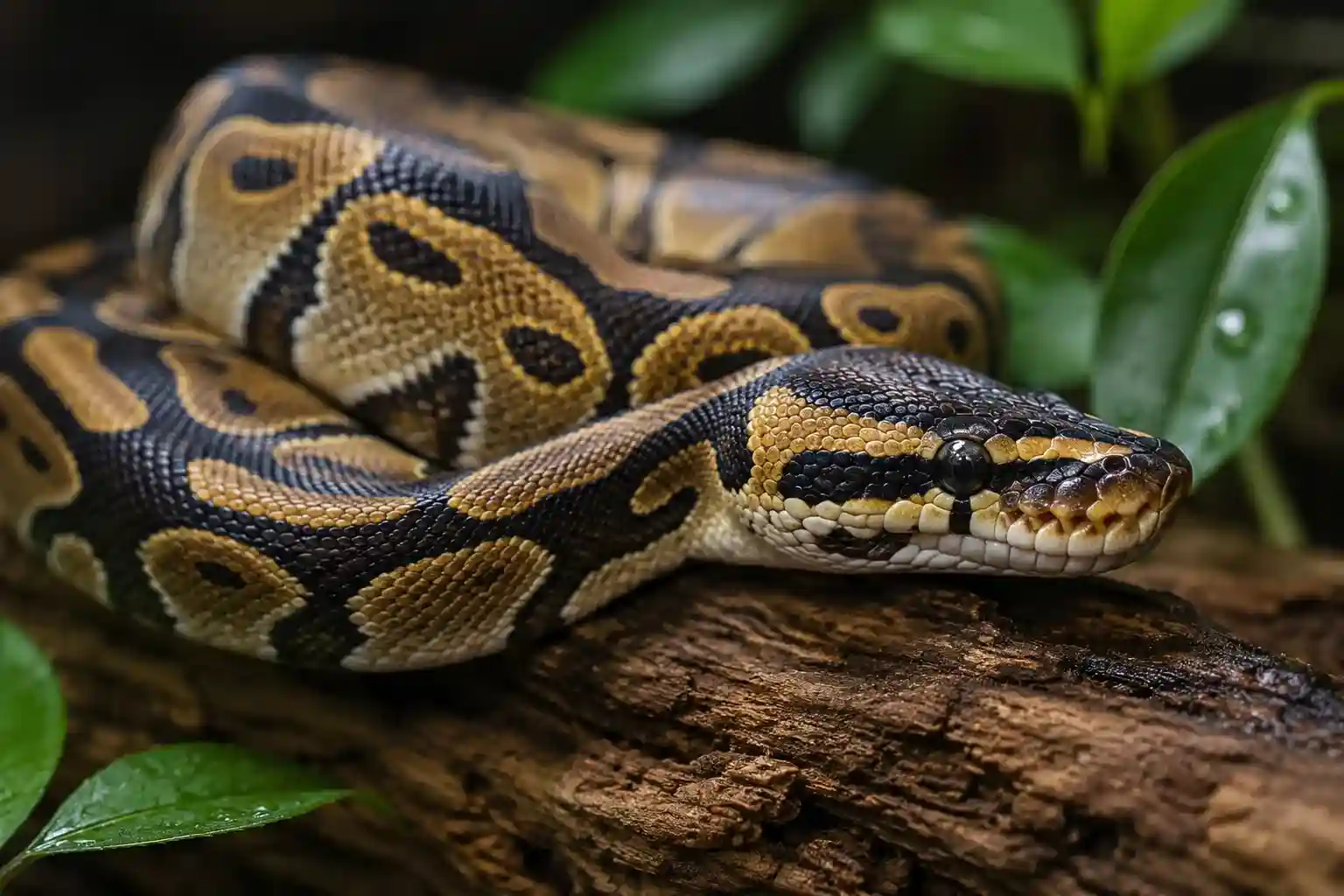
Feeding a hatchling the same way you feed an adult can lead to overfeeding, underfeeding, or poor growth. This Ball Python Feeding Chart by Age helps you adjust feeding frequency and prey size as your snake matures. Hatchlings require smaller prey and more frequent meals than adults, making age an excellent starting point for planning a healthy feeding schedule. This guide is intended for healthy captive ball pythons.
Although age provides a reliable foundation, it should never be the only factor guiding feeding decisions. Your ball python’s body condition, growth rate, and overall health are equally important when deciding when to feed and when to increase prey size. Providing the right diet at every life stage is a fundamental part of Ball Python Care, helping support steady growth without overfeeding.
This guide combines easy-to-follow feeding charts with practical advice to help you make confident feeding decisions. You’ll learn how to recognize when it’s time to increase prey size, understand the transition from rat pups to larger rodents, and adjust your feeding routine as your ball python grows from a hatchling into a healthy adult.
Key Points
- Feed according to your ball python’s life stage and body condition.
- Hatchlings eat more frequently than adults.
- Increase prey size gradually as your snake grows.
- Avoid overfeeding in an attempt to speed up growth.
- Use the feeding chart as a guide, not a strict rule.
Ball Python Feeding Chart by Age
You need a quick reference to manage meals across each growth stage. This ball python feeding schedule provides the exact feeding interval and appropriate prey size from the first meal to full maturity. The outline details the shift from a hatchling taking frequent meals to an adult requiring less frequent maintenance feeding.
How to Use This Feeding Chart
This baby ball python feeding chart and adult schedule serve as a baseline for healthy captive reptiles. Every snake develops differently. You must assess the animal’s physical body condition before strictly adhering to a printed timeline.
TABLE 1: Ball Python Feeding Chart by Age
| Life Stage | Approximate Age | Typical Prey* | Feeding Frequency | Primary Feeding Goal |
| Hatchling | 0–3 months | Pinky mice, fuzzy mice, or rat pups | Every 5–7 days | Establish consistent feeding and support steady early growth. |
| Juvenile | 3–12 months | Rat pups, weaned rats, or similarly sized prey | Every 7–10 days | Maintain healthy growth while gradually increasing prey size. |
| Sub-adult | 1–3 years | Weaned rats or small rats | Every 10–14 days | Transition from rapid growth to long-term maintenance. |
| Adult | 3+ years | Small to medium rats (as appropriate) | Every 14–21 days | Maintain healthy body condition and stable weight. |
Quick Answer
Healthy ball pythons require different feeding schedules as they grow. Hatchlings generally eat more frequently using smaller prey, while adults eat larger meals at longer intervals. Use age as a starting point, then adjust feeding decisions according to your snake’s body condition, growth, and overall health.
Key Takeaway
Age provides a reliable starting point for feeding your ball python, but it should never be the only factor guiding feeding decisions. As your snake grows, adjust feeding frequency and prey progression according to its body condition, overall growth, and long-term health rather than following a fixed schedule. (Catherine Love, DVM)
Feeding Hatchling Ball Pythons (0–3 Months)
Hatchling ball pythons experience the fastest growth period of their lives, making this the stage with the highest energy requirements. To support healthy development, they require more frequent meals than older snakes. As feeding becomes consistent, prey should progress gradually while remaining appropriately sized for the snake. The priority during this stage is to establish a reliable feeding routine that encourages steady, healthy growth rather than rapid weight gain.
Feeding Juvenile Ball Pythons (3–12 Months)
During the juvenile stage, ball pythons continue growing, although their growth rate gradually slows compared with the first few months of life. Feeding intervals become a bit longer while prey size increases to match the snake’s development. Rather than accelerating growth, the focus should remain on providing consistent nutrition that supports healthy muscle development and an appropriate body condition.
Feeding Sub-adult Ball Pythons (1–3 Years)
As ball pythons approach adulthood, their growth begins to slow significantly, and their nutritional needs shift from rapid development to long-term maintenance. Feeding intervals become longer than during the juvenile stage, while prey size stabilizes as the snake reaches a larger body size. The goal during this transition is to maintain healthy body condition while preparing the snake for its adult feeding routine.
Feeding Adult Ball Pythons (3+ Years)
Most healthy adult ball pythons have reached their mature size, so feeding is no longer intended to support rapid growth. Instead, meals are offered less frequently to maintain a healthy body condition and stable weight over the long term. Although prey size remains consistent, feeding schedules may be adjusted slightly to reflect each snake’s individual condition, activity level, and overall health rather than age alone.
How Feeding Needs Change as Ball Pythons Grow
Following a ball python feeding guide requires understanding the physical changes happening inside the reptile. The shift in ball python feeding frequency aligns with their evolving energy requirements. A meal plan adapts because the internal engine shifts from rapid expansion to long-term maintenance.
Quick Answer
Baby ball pythons eat more frequently because rapid growth requires more energy. As they mature, metabolism slows, allowing longer intervals between meals.
Why Young Ball Pythons Need More Frequent Meals
A newly hatched snake directs consumed calories toward physical expansion. This steady growth rate demands a constant fuel source. The reptile builds essential muscle development and internal structure during these early months.
Frequent meals replenish the energy burned to construct this physical foundation. Their active metabolism processes smaller meals rapidly. You provide meals on a tighter rotation to support this continuous internal construction without causing digestive stress.
How Feeding Changes During the Juvenile Stage
The initial sprint of physical growth tapers off as the reptile adds noticeable length. Their metabolism shifts to accommodate processing denser caloric packages. You offer larger prey to deliver sustained energy. Digestion takes more time when breaking down these substantial meals.
The interval between meals naturally extends to give the internal system a rest. This change reflects a biological transition toward an adult rhythm rather than a sudden drop in appetite.
Why Adult Ball Pythons Eat Less Often
A mature snake no longer burns calories to fuel physical expansion. Their baseline energy requirements drop significantly once they reach full size. You provide a meal strictly for maintenance. Feeding an adult too often forces the body to store unneeded calories.
The long gaps between meals match their naturally sedentary habits in captivity. They thrive on a sparse routine that keeps their physical condition stable month after month.
Why Body Condition Matters More Than Age Alone
Tracking ball python feeding by age provides a map, but a visual check grounds the routine in reality. Every snake metabolizes food at a unique pace. Assessing the Body Condition Score (BCS) tells you what the animal requires right now. You adjust the meal plan based on physical shape rather than relying strictly on the calendar.
Veterinary Insight
Age provides a useful starting point, but reptile veterinarians often assess a ball python’s body condition before recommending feeding adjustments. A healthy snake should have a gently rounded body with good muscle tone rather than a prominent spine or excessive fat deposits.
Choosing the Correct Prey Size
Determining what size rat for ball python meals prevents practical feeding problems. You select a feeder rodent that matches the physical dimensions of your reptile to ensure feeding safety.
Quick Answer
Choose prey that is approximately as wide as the widest part of your ball python’s body. This practical guideline is safer than relying on age alone, especially because individual growth rates vary.
Why Prey Size Matters More Than Snake Age
Two reptiles hatched in the same month might exhibit different physical dimensions. Chronological age fails to account for these distinct growth rates. You look at the physical shape of the animal to determine the correct ball python prey size. Basing meal selection on physical bulk guarantees the food fits their current digestive capacity. This observation prevents you from handing a small reptile an unmanageable meal.
Match Prey to the Widest Part of the Snake
You rely on a straightforward visual check to pick the right meal. Compare the prey width to the thickest section of the reptile’s midsection. The widest body diameter dictates the appropriate ball python rat size. A meal matching this exact girth passes through the jaws and down the digestive tract without excessive strain. This matching process requires zero math while keeping the routine safe.
Using Snake Weight as a Secondary Check
Visual checks work well, but weighing the animal provides an extra data point. You place the reptile on a digital scale to verify the visual estimate. Comparing the exact snake weight against the approximate rodent weight confirms your choice. This secondary step adds confidence before you prepare the frozen-thawed rodent.
TABLE 2: Ball Python Prey Size Guide
| Snake Weight | Typical Prey | Approximate Prey Weight | General Guidance |
| 50g–200g | Rat pup | 10g–19g | Encourage consistent feeding and healthy early growth. |
| 200g–500g | Weaned rat | 20g–39g | Support steady juvenile development. |
| 500g–1200g | Small rat | 40g–79g | Continue healthy growth without overfeeding. |
| 1200g+ | Medium rat | 80g–149g | Preserve healthy body condition during adulthood. |
Signs the Prey Is Too Large
An oversized meal creates visible hurdles during ingestion. The reptile might spend an excessive amount of time struggling to align the jaws over the meal. A massive lump that stretches the scales tight indicates the item exceeded their capacity. Offering food beyond their physical limit elevates the regurgitation risk. You scale back the size if the animal abandons the attempt halfway through the process.
Signs the Prey Is Too Small
An undersized meal leaves the animal searching the enclosure for more food. You might not notice a visible bulge in the belly after they finish swallowing. A meal lacking sufficient mass fails to provide adequate energy for the current growth stage. You step up to the next size category when a single rodent no longer satisfies their standard appetite or maintains their body condition.
Ball Python Feeding Frequency by Life Stage
Understanding ball python feeding frequency requires adjusting the meal schedule as the animal matures. The biological metabolism dictates the timeline. You adapt the feeding interval across each life stage to match these internal shifts.
Quick Answer
How often should you feed a ball python? Young ball pythons generally eat more frequently than adults because they are growing rapidly. As growth slows, feeding intervals become longer while prey size gradually increases.
Feeding Frequency for Hatchlings
Managing baby ball python feeding frequency involves offering a meal every five to seven days. A hatchling utilizes this consistent caloric intake to fuel rapid physical expansion. Their active metabolism demands a tight meal schedule to build foundational muscle. This short feeding interval prevents energy depletion during their most intensive growth phase.
Feeding Frequency for Juveniles
The juvenile ball python feeding schedule extends to a meal every seven to ten days. Their physical expansion rate settles into a steady rhythm. The internal system requires more time between meals to process calories efficiently. Lengthening the feeding interval matches this internal shift. You space out the meals to maintain steady development.
Feeding Frequency for Healthy Adults
An adult ball python feeding schedule centers entirely on maintenance feeding. You present a meal every fourteen to twenty-one days. A mature reptile possesses a lower metabolic rate. This spaced-out ball python meal frequency keeps their Body Condition Score (BCS) stable. You mimic their natural sedentary habits to prevent excess caloric buildup.
Should Feeding Change During Shedding?
A reptile might ignore a meal when preparing to shed its skin. The physical renewal process creates temporary discomfort. You can pause the schedule until the skin clears. Every snake responds differently during this cycle. Resuming the routine after a clean shed keeps the animal on track.
Should Feeding Change During Breeding Season?
You might observe seasonal appetite drops during the winter months. A natural shift in behavior creates temporary disruptions to the routine. You continue offering meals on schedule but anticipate potential disinterest. Tracking these seasonal patterns helps you map out their annual rhythm.
Veterinary Insight
Seasonal reductions in appetite are common in some healthy adult ball pythons, particularly males during the breeding season. Prolonged refusal to eat accompanied by weight loss or poor body condition should be evaluated by a reptile veterinarian rather than assumed to be normal.
Common Feeding Mistakes That Affect Growth
Navigating ball python feeding problems requires observing how your reptile responds to a meal plan. A poor feeding routine disrupts steady development. You prevent ball python feeding mistakes by recognizing basic errors early on.
Quick Answer
Can you overfeed a ball python? Yes. Regularly feeding prey that is too large or offering meals too frequently may increase the risk of unhealthy weight gain. Feeding schedules should match the snake’s age, body condition, and growth stage.
Feeding Too Frequently
An improper feeding schedule forces the digestive tract to work without a break. Offering meals too often pushes calories into the system faster than the reptile burns them. This practice leads directly to overfeeding a ball python. The animal builds unnatural fat stores instead of developing healthy muscle. Sticking to appropriate intervals allows the body to rest between meals.
Feeding Prey That Is Too Large
Pushing past the correct prey size creates a physical hurdle right at the start of a meal. The reptile spends too much energy wrestling with a massive rodent. The oversized food item remains in the stomach far too long during digestion. This physical strain elevates the regurgitation risk. You keep the process smooth by selecting a manageable meal.
Power Feeding for Faster Growth
Some owners push extra meals to accelerate the natural growth rate. This intentional overfeeding forces the reptile to expand at an unnatural pace. Forcing a heavy routine places severe stress on the internal organs. Sacrificing long-term health for a quick size increase creates a fragile animal. You prioritize steady gains to build a resilient pet over time.
Veterinary Insight
Reptile veterinarians generally recommend steady, age-appropriate growth instead of rapid weight gain. Chronic overfeeding may contribute to obesity, fatty liver disease, and reduced longevity in captive ball pythons.
Ignoring Your Snake’s Body Condition
Relying entirely on a calendar creates blind spots. A printed schedule fails to account for individual metabolic differences happening inside the enclosure. You miss critical signs when you ignore the physical shape of the animal. Assessing the Body Condition Score ensures the meal matches current physical needs.
Feeding a Stressed Ball Python
Environmental stress disrupts a normal feeding response. Handling the snake right before mealtime breaks its hunting focus. A distracted reptile lacks the drive to strike a rodent. You establish a calm environment to encourage feeding. Knowing the signs of stress helps when a [ball python won’t eat].
Not Keeping Feeding Records
Relying on memory leaves room for scheduling errors. You lose track of the exact interval without written documentation. Logging feeding dates, prey items, and snake weight builds a reliable history. This recorded data helps you spot trends and adjust the schedule before underfeeding a ball python occurs.
Signs Your Ball Python Is Getting the Right Amount of Food
Evaluating a proper feeding ball python routine requires regular visual checks. You look for specific physical markers to confirm the meal plan works. Recognizing the signs of healthy ball python development proves the current schedule supports steady progress. Tracking a healthy ball python weight relies on strict physical observation.
Quick Answer
How do I know if my ball python is eating enough? A healthy ball python maintains a steady body condition and grows at an appropriate pace for its age. The snake will also shed normally and accept appropriately sized prey on schedule.
A Healthy Body Shape
A reptile receiving adequate nutrition develops a firm physical structure. The back feels solid beneath your hands. The sides slope down evenly to form a soft triangle shape. A reptile veterinarian evaluates this specific Body Condition Score (BCS) to confirm good muscle tone rather than soft fat accumulation. The physical form tapers smoothly from the thickest midsection toward the tail base.
Steady Growth and Stable Weight
Healthy ball python growth features steady physical expansion. A young reptile adds length and girth at a measured pace. A mature animal maintains a stable adult mass over long periods. Consistent weight maintenance proves the current caloric intake perfectly matches their daily energy requirements.
Normal Feeding Response
A well-fed reptile exhibits a clear interest in a meal. The animal investigates the food and strikes with a coordinated effort. This consistent feeding response shows the snake feels secure. A reliable appetite confirms the established feeding interval keeps the animal ready for a meal without causing outright desperation.
Normal Activity and Successful Shedding
Proper nutrition fuels routine biological behaviors. The reptile shows an expected evening activity level while exploring the enclosure. A balanced diet provides the physical resources needed for healthy sheds. The old skin releases in one continuous piece. A clean shed confirms the animal possesses the proper internal energy reserves.
Frequently Asked Questions
Using a Ball Python Feeding Chart by Age answers the most common scheduling questions while keeping the routine on track.
How Often Should I Feed a Baby Ball Python?
You should feed a baby ball python a meal every five to seven days. Rapid physical expansion drives this tight feeding interval. The young reptile requires a steady intake of calories to build foundational muscle mass and internal structure. Sticking to this schedule ensures their small bodies receive constant fuel during their active growth phase.
Should I Feed My Ball Python Based on Age or Weight?
Age provides a reliable starting point, but you adjust meals based on body condition and physical weight. A visual check of the reptile’s girth tells you what the animal needs right now. Combining the calendar schedule with physical observation creates an accurate meal plan that matches current metabolic demands.
When Should I Increase Prey Size?
You increase the rodent size when the widest part of the reptile’s midsection surpasses the width of the current meal. This visual transition ensures the food matches their physical capacity. Scaling up the meal based on physical bulk rather than a fixed date keeps the feeding process safe for the growing animal.
Can a Ball Python Eat Two Mice Instead of One Rat?
A ball python can eat two mice as a temporary substitute if you lack the proper feeder rodent. Offering a single rat of the correct dimensions provides a smoother digestive process. Processing one item requires less physical effort from the reptile. You can learn more about making this transition in our dedicated prey-size guide.
Can You Overfeed a Ball Python?
Yes, you can overfeed a captive ball python. Offering meals too frequently or providing oversized rodents builds excess fat rather than healthy muscle. This continuous caloric surplus places undue strain on the internal organs. Maintaining a strict schedule that fits their current life stage prevents the animal from developing an unnatural body shape.
Do Adult Ball Pythons Need Weekly Meals?
Adult ball pythons do not require weekly meals. A mature reptile possesses a lower metabolic rate and thrives on a meal every fourteen to twenty-one days. Offering a rodent every single week forces a fully grown animal to process unneeded calories. This extended interval perfectly suits their natural sedentary habits in captivity.
What Happens If I Miss One Feeding?
A healthy reptile tolerates an occasional missed meal without issue. Their biology handles natural gaps in food availability without causing a physical decline. Skipping a scheduled date causes far less physical harm than a pattern of overfeeding. You bypass the panic and resume the normal interval at the next standard opportunity.
Can I Feed Extra Meals to Make My Ball Python Grow Faster?
You should avoid feeding extra meals to push a faster growth rate. Intentionally accelerating physical expansion forces the internal organs to work beyond their intended capacity. The body struggles to support a frame built too quickly. Letting the reptile mature at a measured pace ensures a resilient pet in the long run.
CONCLUSION
A Ball Python Feeding Chart by Age serves as a practical starting point rather than a rigid rule. You adapt this baseline ball python feeding guide to fit the specific needs of your reptile. A firm body condition holds equal importance to the chronological age listed on the calendar.
Regular monitoring of healthy growth and feeding responses ensures the meal plan stays accurate. Tracking feeding frequency and prey size over time supports long-term captive care. You create a successful ball python feeding schedule by observing physical changes month to month. A reptile veterinarian can help assess the animal if physical concerns arise.
Consistent feeding based on age, body condition, and gradual prey progression is one of the most important factors in raising a healthy captive ball python.
References
- Ball Python Care Guide: Enclosure, Humidity, Feeding & Handling. https://pawshatch.com/ball-python-care-guide/
- Martinez, M. (2020). Growth and feeding response in Python regius in ambient temperature vs. hot-spot (Undergraduate student thesis, University of Nebraska-Lincoln). DigitalCommons@University of Nebraska – Lincoln.
- Ball Python (Python regius). https://reptifiles.com/wp-content/uploads/2020/11/Ball-Python-Care-Sheet-PDF-1.pdf
- BALL/ROYAL PYTHON by Catherine Love, DVM (Updated 2021). https://arborviewah.com/wp-content/uploads/2023/03/1551634_ArborViewCareGuides_020323.pdf
- Royal python. CARE SHEET. https://www.rspca.org.uk/
- Ball Python Feeding Chart by Age: Complete Feeding Schedule from Hatchling to Adult. https://pawshatch.com/ball-python-feeding-chart-by-age/