
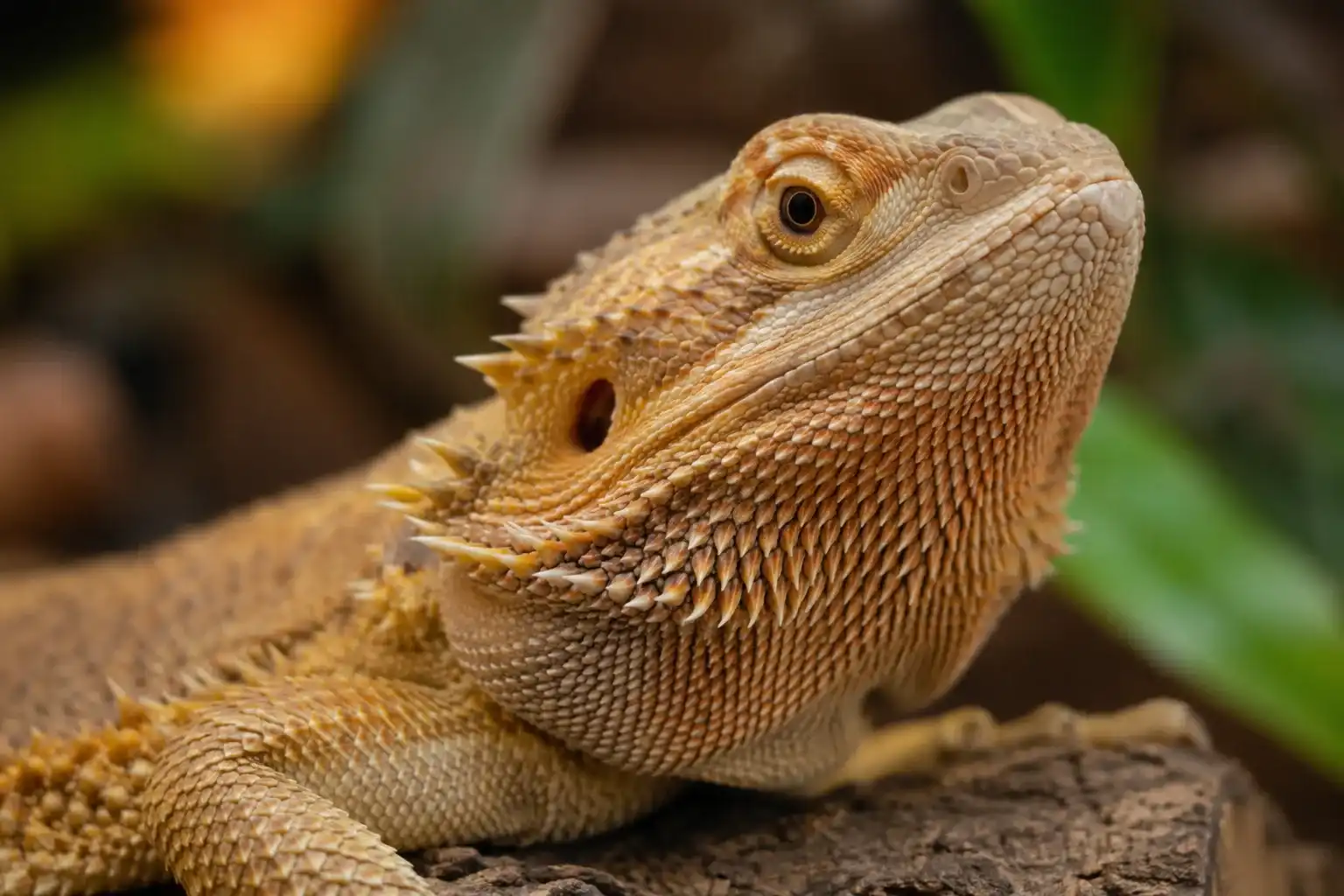
A bearded dragon’s feeding schedule shifts as your pet progresses through life. Young reptiles have a faster metabolism to support their rapid physical development during the early months. As they mature into adulthood, their metabolic rates level out. This metabolic shift dictates why age determines the correct feeding frequency and the proper portion sizes required to maintain a healthy weight.
This article focuses solely on feeding schedules and portion guidance. We will not cover specific dietary selections here. For detailed information on food choices, please refer to our dedicated Bearded Dragon Diet Guide. To assist you in managing mealtime efficiently, we have provided easy-to-follow charts for every life stage. Use these provided tables to establish a reliable daily routine for your pet.
This guide focuses specifically on feeding schedules by age. For complete information on habitat, lighting, diet, health, and daily husbandry, see our Bearded Dragon Care Guide.
Bearded Dragon Feeding Chart at a Glance
Veterinary Insight
Our veterinarians recommend adjusting feeding frequency according to your bearded dragon’s age and growth rate rather than following a single schedule for life. Younger dragons require more frequent meals to support rapid development, while adults thrive on fewer, well-portioned feedings.
Master Bearded Dragon Feeding Chart
| Age | Growth Stage | Feeding Frequency | Portion Size | Daily Meals |
| 0–2 months | Hatchling | Multiple times a day | Small | 3–5 |
| 2–6 months | Baby | Multiple times a day | Moderate | 2–3 |
| 6–12 months | Juvenile | Once a day | Large | 1–2 |
| 12+ months | Adult | Every other day | Maintenance | 1 |
Always transition gradually from one feeding schedule to the next as your bearded dragon grows, instead of making sudden changes overnight.
Younger bearded dragons have greater energy requirements. They burn calories to support rapid early development. You will notice them searching for food throughout the daylight hours. The chart reflects this constant need for refueling during the hatchling and baby phases. Providing multiple daily sessions ensures they receive enough energy to keep growing.
As they pass the six-month mark, their physical growth drops. The intense demand for calories tapers off. You will see their feeding schedule begin to space out. Instead of seeking out multiple meals, a juvenile thrives on one or two daily sessions. Full-grown adults transition to eating a single meal every other day.
Portion sizes shift alongside these frequency changes. Early stages require smaller amounts per sitting to match their capacity. As the meal frequency decreases, the volume per session increases to sustain them. Adults move to a strict maintenance routine. This structured spacing prevents unwanted weight gain while keeping your pet satisfied.
Hatchling Bearded Dragon Feeding Chart
Establishing a reliable schedule early sets a strong foundation. This initial phase requires your full attention to their daily timetable to support their rapid development.
Feeding Schedule
The hatchling phase covers the first two months of life. During this window, aim for three to five separate meals each day. Spacing these sessions across the daylight hours provides a steady energy supply.
Maintaining a consistent timetable helps regulate their developing system. Pick specific times for each session and adhere to that structure to minimize daily stress. Establishing this rhythm from day one builds good habits.
Portion Guide
Offer portions until your pet loses interest in the meal. Watch their body language during each session. Once they stop pursuing the offering and turn away, the feeding is over. Do not force them to eat more than they desire.
Their daily appetite fluctuates. Monitor these changes to gauge the proper amount to provide at the next scheduled sitting. Leaving extra items behind causes unnecessary waste.
Growth Tips
Hatchlings experience rapid physical development during these first eight weeks. Tracking their progress helps ensure they stay on a healthy path. Weigh your pet each week with a small digital scale to confirm a steady upward trend. Document these numbers to monitor their journey.
Keeping the daily schedule consistent supports this rapid growth phase. A predictable environment minimizes stress, which encourages better eating habits.
Baby Bearded Dragon Feeding Chart
Moving past the first few weeks brings a shift in daily habits. This active phase requires an adjusted timetable to match their changing energy levels. Let us look at the updated schedule for this growth period.
Baby Bearded Dragon Feeding Chart
This baby bearded dragon feeding chart outlines the transitional months of your pet’s early life. As they pass the eight-week mark, their daily requirements begin to shift away from constant meals. You will notice the meal count dropping as they approach the half-year milestone.
Using this reference helps you manage their changing needs without guessing. Keep this guide handy near their enclosure to stay on track. Tracking these specific timing milestones ensures you provide the right support during a critical developmental window.
Baby Bearded Dragon Feeding Chart
| Age | Meals/day | Portion guidance |
| 2–3 months | 3 | Feed until interest drops |
| 3–4 months | 2–3 | Adjust to match appetite |
| 4–5 months | 2 | Offer moderate amounts |
| 5–6 months | 2 | Transition to larger sittings |
Feeding Frequency
Building a steady routine benefits a growing reptile. Aim for two to three feeding sessions spaced out across the daylight hours. A morning and early afternoon schedule works well for most households.
Maintaining this predictability helps regulate their digestion day by day. Try to offer meals at the same time each morning. This consistency minimizes stress and encourages a steady appetite. Missing scheduled intervals throws off their internal clock. Focus on establishing a reliable pattern that fits your daily life.
Portion Recommendations
Expect their appetite to vary day to day. Sometimes they will eat eagerly, while other times they might show less interest. Observe their eating pace during a session to gauge their hunger level. It is best to stop offering items once they stop pursuing the meal.
Avoiding overfeeding matters just as much as providing enough energy. Overloading their system creates digestive discomfort. Take out any uneaten items from the enclosure to prevent extra snacking. Adjust the offered amount based on what they actively consumed during their previous sitting.
Veterinary Insight
Our veterinarians advise monitoring your baby bearded dragon’s body condition and appetite instead of increasing meal sizes automatically. A consistent feeding routine supports healthy growth better than simply offering more food.
Juvenile Bearded Dragon Feeding Chart
The juvenile phase marks a distinct shift in daily routine demands as their physical development settles into a new pace.
Feeding Schedule
Reaching the six-month mark introduces a noticeable change to your daily timetable. A juvenile requires a decreasing meal frequency as they mature.
You will transition from offering multiple sessions to providing just one or two meals a day. This deliberate reduction aligns with their steady growth phase. They no longer burn through energy at the rapid pace seen in earlier months.
Space out these fewer feeding times to fit their active daylight hours. Setting a reliable morning or midday slot provides structure. This spaced-out approach supports their ongoing physical development without overwhelming their system with constant input.
Portion Guide
As the daily meal count drops, individual meal sizes need to expand. Adjust the volume per sitting to match their ongoing physical changes.
A juvenile accommodates a larger quantity in one sitting compared to a baby. Observe their body shape during this transition. Provide enough to satisfy their appetite, ensuring they finish what you offer before walking away.
Scaling up the volume balances out the removed meal times. This straightforward method keeps their energy intake stable while adapting to their new and less frequent eating schedule.
Signs the Schedule Needs Adjustment
Pay attention to daily behavioral cues to fine-tune this routine. Spotting leftovers in the enclosure means the provided portion is too large for that specific sitting.
Constant hunger throughout the day suggests a need for a slight increase in meal volume. You might also notice an inconsistent appetite, where they eat eagerly one day and ignore meals the next. This points to a need to adjust the timing intervals.
Track any sudden weight changes with your scale to decide if the current schedule requires a minor timing adjustment.
Adult Bearded Dragon Feeding Chart
Reaching adulthood simplifies the daily care routine. The focus shifts toward long-term maintenance.
Adult Feeding Frequency
Full-grown adults operate with a mature metabolism. They burn energy at a measured pace. This physiological shift means they require fewer meals to sustain themselves.
At this stage, a daily meal or feeding every other day suits their physical demands. Establishing a reliable routine matters more than offering a large quantity of items.
Pick a set time that works with your schedule and stick to it. Consistency helps their body anticipate mealtime. Maintaining this predictable timetable keeps their digestion regular without the need for constant daily input.
Portion Guide
The goal for an adult is to maintain a healthy body condition. Offer a maintenance volume rather than a growth-focused amount. Observe the base of their tail and their midsection to gauge their overall physical shape.
Provide enough volume to satisfy their hunger while keeping their weight steady. Excess weight places a burden on their frame. Monitor their appearance over the months to dial in the correct portion size.
Adjust the volume if you notice them gaining excess mass. Offering moderate amounts at scheduled intervals prevents unwanted weight accumulation.
Common Feeding Mistakes
Sticking to a set plan prevents common scheduling errors. An inconsistent schedule is a frequent misstep. Changing meal times from day to day confuses their internal clock.
Providing oversized meals represents another common issue. Offering too much volume in one sitting overwhelms their digestive capacity.
Skipping the routine creates unnecessary stress. While adults eat less often, they still rely on your provided timetable for stability. Bypassing a scheduled meal disrupts their established pattern.
Keep your timing reliable and portions measured to avoid these routine-based setbacks.
Veterinary Insight
Our veterinarians recommend reviewing your adult bearded dragon’s feeding schedule regularly, especially after changes in activity level or body condition. Small adjustments over time are more effective than making large changes all at once.
How Feeding Frequency Changes with Age
A noticeable shift happens as your pet matures from a small hatchling into a full-grown adult. The comparison chart below highlights this natural progression across all stages. Their daily requirements change because their metabolism slows over time.
Feeding Frequency by Age Comparison
| Life Stage | Meals per Day | Portion Trend |
| Hatchling | 3 to 5 | Small volume |
| Baby | 2 to 3 | Moderate volume |
| Juvenile | 1 to 2 | Increasing volume |
| Adult | 1 (or less) | Maintenance level |
During the first few months, rapid physical development demands constant energy input from you. Their bodies process fuel at a high rate to support this early phase. As they approach the one-year mark, this intense physical growth slows. They reach their final size.
Because their development plateaus, feeding becomes less frequent. A timetable that suited a young reptile causes unwanted weight gain in an older one.
The constant daily meals fade into a staggered routine to match their lowered energy needs. This shift happens in distinct stages over their first year. You will see their daily eagerness for multiple sessions drop. Paying attention to these visual signs helps you adapt the timetable at the right time.
Adjusting the routine prevents excess weight accumulation. Providing energy at the correct intervals keeps your pet active. Matching their intake to their current life stage maintains a solid body condition without overloading their resting system.
Portion Guide by Age
Use the table below to understand portion progression. Remember that every dragon differs in how much it consumes per sitting. Relying on rigid rules creates frustration. Let their specific feeding cues guide the daily volume.
Portion Guide by Age
| Age | Portion Size | Appetite Expectations |
| 0–2 months | Small bites | Constant daily drive |
| 2–6 months | Moderate amounts | Noticeable daily shifts |
| 6–12 months | Larger sittings | Settling into a steady pace |
| 12+ months | Maintenance volume | Predictable and stable |
A reptile’s appetite naturally fluctuates from one week to the next. Some mornings, they eat a large amount. Other days, they might consume a minor fraction of that volume. This shifting interest happens without issue. Offer an amount that matches their present enthusiasm. End the meal once they stop pursuing the offered items.
Observe their physical shape. Body condition matters more than an exact tally of items. Look at the base of their tail and their stomach area to ensure they are getting enough fuel. Make daily portion adjustments based on these visual checks. This approach maintains a healthy weight across all growth stages without relying on strict numbers.
Frequently Asked Questions
Reviewing a bearded dragon feeding chart brings up common questions regarding daily schedules.
How often should I feed a bearded dragon?
The exact frequency shifts as they progress through life. Hatchlings require up to five separate meals a day. Once they reach adulthood, they only need a single session daily or every other day. See our Bearded Dragon Diet Guide for specifics on menu choices.
How many times a day should baby bearded dragons eat?
A baby bearded dragon needs two to three scheduled meals each day. Spacing these sessions across the daylight hours provides a steady stream of energy for their development. Remove uneaten items once they lose interest. Consult our Bearded Dragon Diet Guide to plan their daily menu.
Does feeding frequency change as bearded dragons grow?
Yes, their requirements drop as they mature. A young reptile burns energy at a rapid pace and demands constant daily input. An adult possesses a settled metabolism that requires fewer sessions to maintain a healthy weight. Read our Bearded Dragon Diet Guide to see how options shift.
Can I feed my bearded dragon more if it seems hungry?
You can adjust their daily portion if they display constant hunger during the day. Watch their body condition to prevent excess weight gain over the months. Ensure you are offering appropriate items. Review our Bearded Dragon Diet Guide to select suitable options for their current age stage.
Key Takeaways
- A daily feeding schedule shifts as your pet progresses through its different life stages.
- Younger dragons burn energy at a rapid pace and eat more often to support their active early development.
- Full-grown adults possess a settled metabolism and require fewer meals to sustain a healthy weight.
- Adjust the portion sizes per sitting based on their physical growth to balance out the drop in meal frequency.
- Monitor their body condition and physical shape to ensure they receive the right amount of fuel during each session.
- Use a consistent schedule and establish predictable feeding times to minimize stress and keep their digestion regular.
- For specific food choices, safe items, and menu options, please read our dedicated Bearded Dragon Diet Guide.