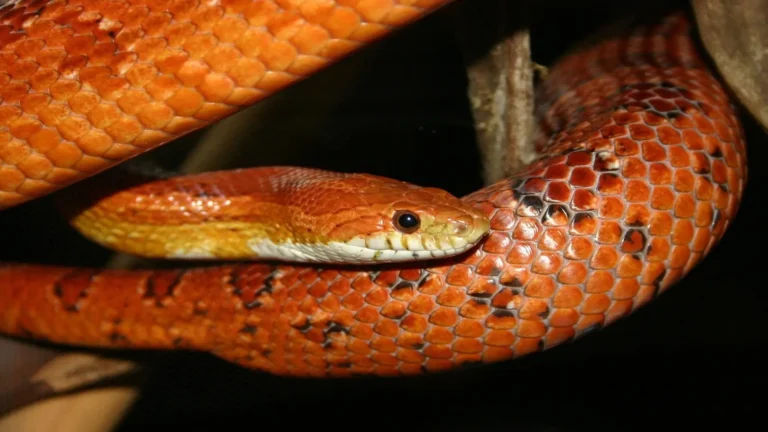

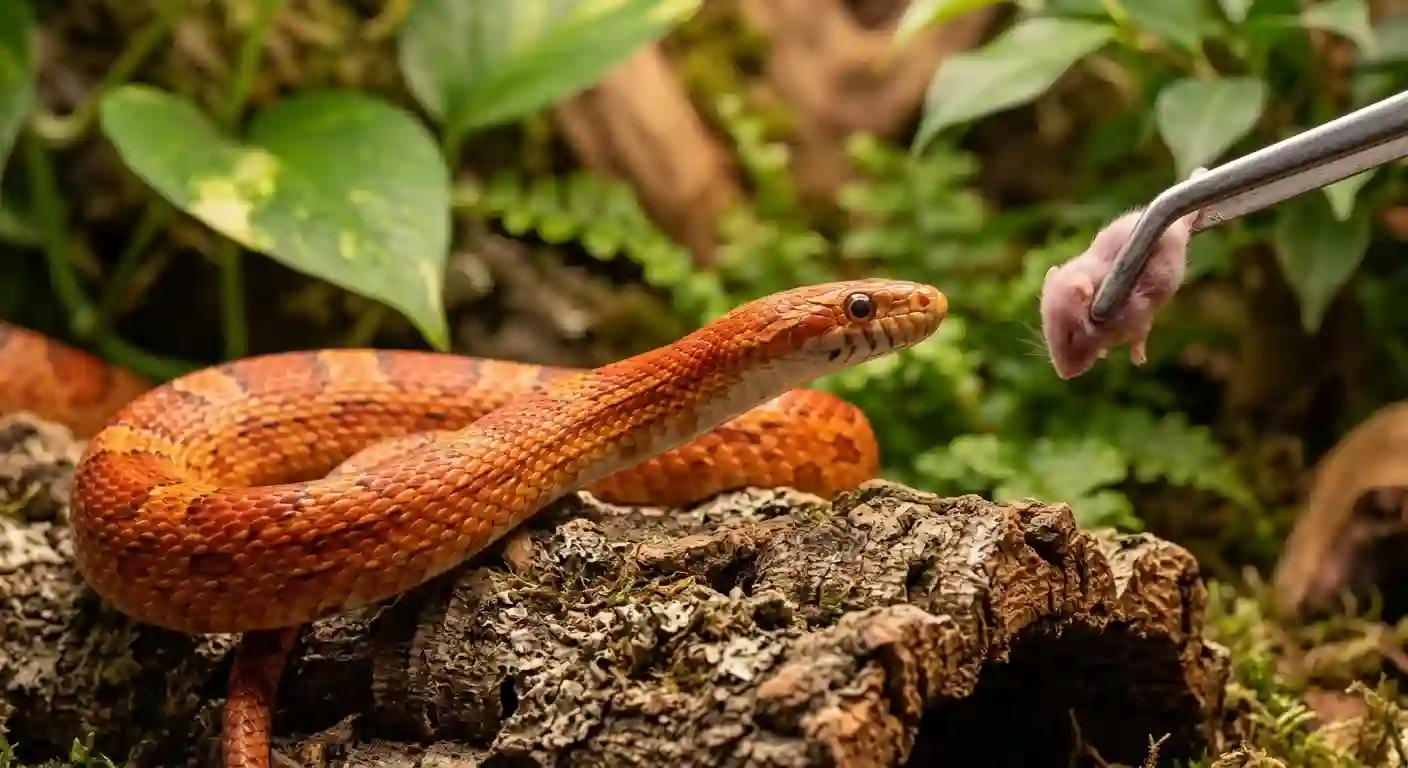
Adapting to a growing reptile’s changing appetite is a fundamental part of ownership. A reliable corn snake feeding guide by age provides clarity when matching meal sizes to a developing body. The nutritional demands shift as the animal transitions through the hatchling, juvenile, sub-adult, and adult stages.
A young hatchling taking small pinkie mice relies on a different feeding rhythm than an established adult, which needs a large mouse on an extended timeline. As corn snakes grow, their appetite, prey size, and body proportions change noticeably. Young snakes often feed more frequently, while mature adults gradually transition to larger meals offered less often. Guessing prey size based on visual estimates alone leads to feeding errors.
This resource outlines practical schedules and exact prey sizing charts for each distinct life phase. It covers the transition between food items and identifies common mistakes to avoid, helping keepers prevent issues like regurgitation or excess weight gain. Providing appropriate meals ensures steady growth.
Reviewed by PawsHatch DVM Veterinarians
This feeding guide combines current husbandry recommendations with practical insights from practicing DVM veterinarians experienced in reptile medicine. While age-based schedules provide a useful starting point, feeding decisions should always be adjusted according to body condition, prey size, and individual growth patterns.
Corn Snake Feeding Chart by Age (Featured Snippet Section)
Tracking a corn snake’s meals requires a structured approach. A clear schedule prevents underfeeding during early growth phases and stops excess weight gain in later life stages.
Quick Feeding Schedule Chart
Caption:
| Age | Typical Weight | Prey Size | Frequency |
| Hatchling (0–6 months) | 8–30 g | Pinkie mice | 5–7 days |
| Juvenile (6–12 months) | 30–50 g | Fuzzy mice | 7 days |
| Juvenile (12–18 months) | 50–90 g | Hopper mice | 7 days |
| Subadult (18–24 months) | 90–170 g | Weaned mice | 7–10 days |
| Adult (2+ years) | 170–400+ g | Adult mice | 10–14 days |
This table provides a baseline for routine meals. These benchmarks provide a practical starting point for transitioning from pinkies to larger prey items as the snake grows. The frequencies allow enough time for digestion while maintaining steady physical development. A consistent routine creates predictability for both the snake and the person caring for it.
How to Use This Feeding Chart
Identify the reptile’s current weight rather than looking at the calendar. Match that number to the corresponding prey size in the table. Offer one matched frozen-thawed rodent per meal. Monitor the body condition score as the animal grows. If the snake looks round without visible skin stretching after a meal, the sizing is accurate. Maintain the suggested feeding frequency until the animal reaches the next weight bracket.
Why Age Alone Is Not Enough
Two reptiles hatched on the same day grow at different rates based on genetics, metabolism, and past meal frequency. An age-based schedule risks offering food that is too small to support growth or too large for the digestive tract to process comfortably. Basing decisions on body weight provides concrete data. A digital kitchen scale provides a reliable metric for tracking upward trends week over week.
Besides weight, you should look at the snake’s physical proportions. The chosen rodent needs to match the widest section of the snake’s body. A meal equal to this diameter digests without causing excess stress or regurgitation. A visual check of the reptile’s midsection before thawing a mouse ensures the prey is safe. Relying on physical measurements keeps the routine accurate.
What Do Corn Snakes Eat in the Wild and Captivity?
Wild environments offer a varied diet depending on seasonal availability, whereas captive diets rely on consistent, pathogen-free nutrition. Understanding both perspectives helps ensure appropriate choices for the snake’s long-term care.
Natural Diet of Corn Snakes
Wild corn snakes are opportunistic hunters that consume a range of small prey animals. Their diet includes wild rodents, small birds, avian eggs, and small lizards. Younger wild snakes hunt small lizards and frogs because these items are easy to catch and digest. As the snakes grow into mature adults, their preference shifts toward warm-blooded prey like mice and tree-nesting birds. This varied intake provides essential calcium and vitamins across their lifespan. Hunting behaviors adapt based on what wanders into their immediate habitat.
Best Food for Pet Corn Snakes
Captive care simplifies this process by focusing on high-quality, whole-animal nutrition. Frozen-thawed rodents stand out as the ideal staple diet for pet corn snakes. These items deliver all the essential proteins, fats, vitamins, and minerals required without the risk of parasite transmission.
Using frozen-thawed mice ensures safe handling and protects the snake from defensive bites. A single, appropriately sized mouse satisfies the reptile’s metabolic demands without requiring supplementation.
You can store these items long-term in the freezer and thaw them in warm water right before feeding time. This consistent food source supports stable growth and straightforward waste management.
Hatchling Corn Snake Feeding Guide (0–6 Months)
The first six months focus on establishing a strong feeding response and building body mass. A structured approach prevents stunted growth and builds confidence in nervous eaters.
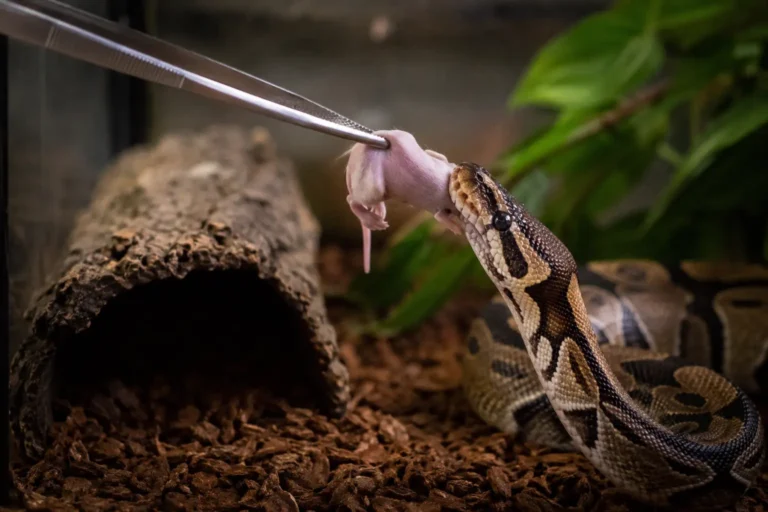
- Prey Size: A young hatchling requires a pinkie mouse weighing between one and three grams. In practice, select a hairless mouse that matches the reptile’s midsection without causing a massive bulge. Many hatchlings respond better when the thawed pinkie is gently moved with feeding tongs, which mimics natural prey movement.
- Feeding Frequency: It’s common to offer one pinkie mouse every five to seven days to support a fast metabolism and rapid length increases.
- Growth Expectations: A healthy hatchling fills out over time as the spine becomes less prominent. You should use a digital scale to log weight gains of a few grams per month. The reptile sheds its skin on a consistent schedule during this phase.
- Common Problems: A cold enclosure drops the core temperature and halts the desire to eat. Hatchlings housed in large, sparsely furnished enclosures sometimes become stressed and reluctant to eat. Additional cover and snug hides often improve feeding responses. If regurgitation occurs, waiting two weeks before offering a smaller meal allows the stomach to recover.
In our clinical experience, many feeding refusals in young corn snakes are related to husbandry rather than illness. Inadequate temperatures, excessive enclosure size, and insufficient hiding places are common factors. Correcting these environmental issues often restores normal feeding behavior without medical intervention.
Juvenile Corn Snake Feeding Guide (6–18 Months)
The juvenile phase brings noticeable shifts in appetite and physical proportions. The juvenile phase brings noticeable changes in appetite and body proportions as the snake thickens and lengthens.
- Prey Size Transition: As the snake crosses the 30-gram mark, transition the reptile to fuzzy mice to help develop bones and muscle mass. Once the animal reaches 50 grams, hopper mice support increasing energy needs. The chosen mouse needs to create a gentle lump in the belly without overstretching the scales.
- Feeding Frequency: One meal every seven days provides adequate spacing for digestion. This spacing gives the digestive tract time to break down the added fur and bones.
- Growth Tracking: A juvenile adds steady mass, moving from 30 grams up past the 90-gram milestone. A good practice is to weigh the reptile twice a month using a kitchen scale to track this upward trend.
- When to Upgrade: A larger prey item is generally appropriate when the current meal produces only a slight bulge, and the snake resumes searching for food soon after eating. Gradual steps prevent regurgitation. Buying smaller quantities of rodents during transitional phases helps avoid waste as the snake grows.
Adult Corn Snake Feeding Guide (18 Months and Older)
Reaching adulthood shifts the feeding strategy from promoting rapid growth to maintaining a healthy body weight. A widely accepted guideline is to establish stable, long-term routines during this phase.
- Appropriate Mouse Sizes: A mature reptile weighing over 170 grams handles an adult mouse with ease. Feeding a single prey item prevents stress on the digestive tract better than offering multiple smaller rodents.
- Adult Feeding Schedule: Most healthy adults do well on a feeding interval of 7 to 14 days, depending on prey size, activity level, and body condition. A large meal takes time to digest. Once the snake stops resting inside a hide and begins roaming the enclosure, you should prepare the next meal.
- Preventing Obesity: Monitor the body condition score to prevent excess weight gain due to confined spaces. A healthy adult maintains a loaf-of-bread shape, while a round appearance indicates overfeeding. If scale separation occurs without a fresh meal inside the stomach, an accepted guideline is to increase the time between feedings.
Excess body weight is one of the most common nutritional issues seen in captive corn snakes. In practice, obesity is frequently associated with oversized prey items or feeding schedules that are too frequent. Adjusting meal intervals is often more effective than drastically reducing prey size.
- Feeding Senior Snakes: As corn snakes age, their metabolism gradually slows, and many benefit from smaller meals or slightly longer intervals between feedings. Adapting the routine ensures the senior reptile remains comfortable.
How to Tell if Your Corn Snake Is Underweight, Healthy, or Overweight
Healthy Body Condition
A healthy corn snake has a gently rounded, loaf-shaped appearance rather than a perfectly round body. The spine should not protrude sharply, and the scales should lie flat without separation. After eating, a small temporary bulge is normal, but the snake should return to its usual shape after digestion. Maintaining this body condition is generally more important than reaching a specific weight or length.
Signs of an Underweight Corn Snake
An underweight corn snake may have a prominent spine, visible muscle loss, and a triangular body profile. Weight loss, poor muscle tone, and reduced body mass warrant closer monitoring. Young snakes and recently rescued animals may need time to regain condition. Persistent weight loss or refusal to eat should be evaluated by an exotic animal veterinarian.
Signs of an Overweight Corn Snake
Overweight corn snakes often develop a round body shape rather than the typical loaf profile. Scale spreading, fat deposits near the tail, and a lack of visible muscle definition may indicate excessive weight gain. Obesity is usually associated with oversized meals or feeding too frequently. Extending feeding intervals is generally safer than making sudden changes to prey size.
Veterinary Insight
In clinical practice, obesity is one of the most common nutritional problems observed in captive corn snakes. Many snakes presented with excess body weight are otherwise healthy and respond well to adjustments in feeding frequency and prey size. Monitoring body condition regularly helps identify changes before they become significant health concerns.
| Body Condition | Appearance | Common Cause | Feeding Adjustment |
| Underweight | Prominent spine, triangular profile | Illness, inadequate intake | Veterinary evaluation |
| Healthy | Loaf-shaped body, flat scales | Appropriate feeding | Maintain schedule |
| Overweight | Round body, scale spreading | Overfeeding | Increase the interval between meals |
How to Choose the Right Prey Size
Selecting the correct rodent prevents a multitude of digestive issues. Veterinarians generally recommend relying on physical measurements rather than guesswork to keep the reptile comfortable and growing.
The 1 to 1.5 Times Rule
A widely accepted guideline is to choose prey that is approximately equal to, or up to 1.5 times, the snake’s widest body section, which sits near the middle of the abdomen. You should inspect this thickest section and compare it to the girth of a frozen-thawed mouse. The chosen rodent needs to be equal to or slightly larger than that diameter, up to a maximum of 1.5 times the size.
A meal fitting this profile stretches the skin enough to leave a small, visible lump. Following this visual check helps prevent prey items that may strain the jaw. Measuring the mouse against the midsection builds confidence before thawing the food.
Why Oversized Meals Cause Problems
Feeding a mouse that exceeds the 1.5 times rule places physical stress on a reptile’s system. A large meal requires extra energy to break down. When the stomach cannot process the volume, the snake resorts to regurgitation.
Throwing up a partially digested rodent drains internal fluids and damages the esophageal lining. In such cases, you need a mandatory waiting period before offering another meal to let the gut heal.
An oversized item also restricts the animal’s movement. A heavy belly makes climbing difficult and leaves the snake feeling exposed. Sticking to measured sizes prevents these severe setbacks. A manageable meal is a safer option than an ambitious, oversized choice.
Following regurgitation, veterinarians typically recommend allowing the digestive tract time to recover before feeding again. Repeated feeding attempts immediately after regurgitation can increase irritation and prolong recovery.
Frozen-Thawed vs Live Feeding
Choosing the source of a reptile’s meal involves weighing convenience against natural hunting instincts. Most people choose between pre-killed rodents and live prey, with frozen-thawed rodents generally providing the safest approach for both the snake and the person feeding it.
- Frozen-Thawed Benefits: Frozen-thawed rodents provide consistent nutrition and can be conveniently stored for long periods. Presenting a motionless meal allows the snake to eat without rushing and eliminates the mess of a live struggle.
- Live Feeding Risks: Dropping a live mouse into an enclosure introduces unpredictable variables. A cornered rodent uses sharp teeth and claws to defend itself, potentially causing bite wounds that require medical attention and disrupt the routine for weeks. It also requires constant supervision from start to finish.
Bite wounds caused by live rodents are preventable injuries occasionally encountered in reptile practice. Even small wounds can become infected, making frozen-thawed prey the preferred option for routine feeding.
How to Switch a Picky Snake
Some hesitant snakes can be transitioned to pre-killed prey using scent manipulation and subtle movement. Rubbing the frozen-thawed mouse against shed lizard skin alters its smell, while warming it under a heat lamp increases the thermal signature.
Some reluctant feeders respond well when the prey is warmed and gently moved with feeding tongs to imitate natural movement.
Feeding During Shedding, Brumation, and Illness
Routine feeding schedules experience natural interruptions. A reptile navigating seasonal cycles or health issues requires temporary changes to its diet.
Should You Feed a Snake in Blue?
During the blue phase, a corn snake’s vision becomes cloudy, and many individuals become less active or temporarily lose interest in food. Some snakes continue eating normally, while others refuse meals until shedding is complete.
For snakes that are not interested in food, waiting until the shed is finished is often the simplest approach. Most healthy corn snakes resume normal feeding within a few days after shedding without any issues.
Feeding During Brumation
Brumation acts as a seasonal resting period. Snakes undergoing brumation usually become less active and may stop eating altogether as their metabolism slows.
Offering food to a cold snake poses a severe risk. Food may not digest properly at low temperatures, increasing the risk of digestive complications. Clearing the digestive tract by halting meals weeks before lowering enclosure temperatures reduces the risk of digestive problems. The reptile relies on stored energy reserves until the warm gradient returns.
When to See an Exotic Veterinarian
Extended fasting combined with rapid weight loss signals an underlying issue. A snake that refuses food for multiple months warrants professional evaluation. Monitoring body condition helps identify sudden weight loss before it becomes a serious problem. An exotic veterinarian possesses the specialized training to diagnose internal parasites or respiratory infections.
Weight records and husbandry details can provide valuable information during a veterinary examination. A doctor reviews the heating gradient and humidity levels alongside the animal’s physical symptoms. Seeking expert guidance provides actionable steps for an ill pet.
Foods Corn Snakes Should Never Eat
A standard rodent diet provides the exact nutrition required for a captive snake. Offering alternative items causes digestive distress. Avoiding unverified internet advice helps maintain a safe and predictable feeding routine.
| Unsafe Food Item | Medical Risk & Consequence |
| Insects (Crickets, Mealworms) | Corn snakes lack the digestive capabilities needed to break down insect exoskeletons, leading to painful gut impactions. |
| Raw Meat (Chicken, Beef) | Grocery store meat cuts lack the whole-body bone structure and internal organs required for proper calcium absorption. |
| Raw Fish | Fish introduces enzymes that destroy essential vitamins inside the reptile’s body. |
| Milk & Dairy | Reptiles cannot process mammalian dairy products; milk causes severe gastric upset and dehydration. |
| Human Food & Scraps | Table scraps contain salt and artificial additives that a snake’s kidneys cannot filter, disrupting the gut biome for weeks. |
Common Corn Snake Feeding Mistakes
Errors in the feeding routine disrupt a reptile’s digestion and physical development. Recognizing these common mistakes helps prevent digestive problems and supports long-term health.
- Feeding Too Often: Offering food on a compressed schedule forces the digestive tract to work without a break. Overfeeding is one of the most common causes of obesity in captive corn snakes.
- Choosing the Wrong Prey Size: Guessing a rodent’s dimensions leads to uncomfortable meals. Offering a prey item that is too wide forces the jaw past a comfortable limit and triggers regurgitation.
- Handling After Meals: Picking the animal up puts physical pressure on a full stomach. Most corn snakes should be left undisturbed for at least 48 hours after eating to reduce the risk of regurgitation.
Stress-related regurgitation is most likely during the first 24–48 hours after feeding. Limiting handling during this period allows digestion to proceed normally and reduces unnecessary stress.
- Ignoring Weight Changes: Visual estimates fail to catch minor dips or spikes in body mass. Skipping weigh-ins on a digital kitchen scale can delay the detection of early signs of captive obesity or underlying illness.
Frequently Asked Questions
Managing a reptile’s dietary habits involves a learning curve for many new snake owners. Addressing common feeding concerns helps establish a safe, predictable routine and reduces the risk of long-term health problems.
Key Takeaways
Managing a reptile’s diet requires practical adjustments as the animal transitions from a tiny hatchling into a heavy, full-grown adult. A safe and predictable feeding routine starts with these essential practices:
- Base the feeding schedule on the reptile’s exact weight and current life stage rather than its hatch date. Relying on a digital scale provides clear data for physical growth tracking.
- Select a rodent matching the thickest section of the snake’s body, utilizing the 1 to 1.5 times rule to prevent regurgitation.
- Provide frozen-thawed mice to eliminate the physical dangers of live feeder bites and block internal parasite transmission.
- Reduce meal frequency as the snake matures, shifting established adults to a flexible seven to fourteen-day schedule.
- Monitor the body condition score week over week to avoid overfeeding and prevent captive obesity issues inside the enclosure.