
If you want your bird to stay active, live longer, and avoid common health problems, understanding the best diet for cockatiels is essential. Many owners assume seeds alone are enough, but a poor cockatiel diet can quickly lead to obesity, vitamin deficiencies, feather problems, and even liver disease.
So, what do cockatiels eat to stay healthy? The answer is a balanced mix of pellets, fresh vegetables, limited fruits, and occasional treats. In this complete cockatiel nutrition guide, you’ll learn how to build a healthy cockatiel diet, which foods to avoid, how much to feed, and the biggest feeding mistakes cockatiel owners make. For a broader look at housing, sleep schedules, and daily routines, refer back to our master Cockatiel Care Guide.
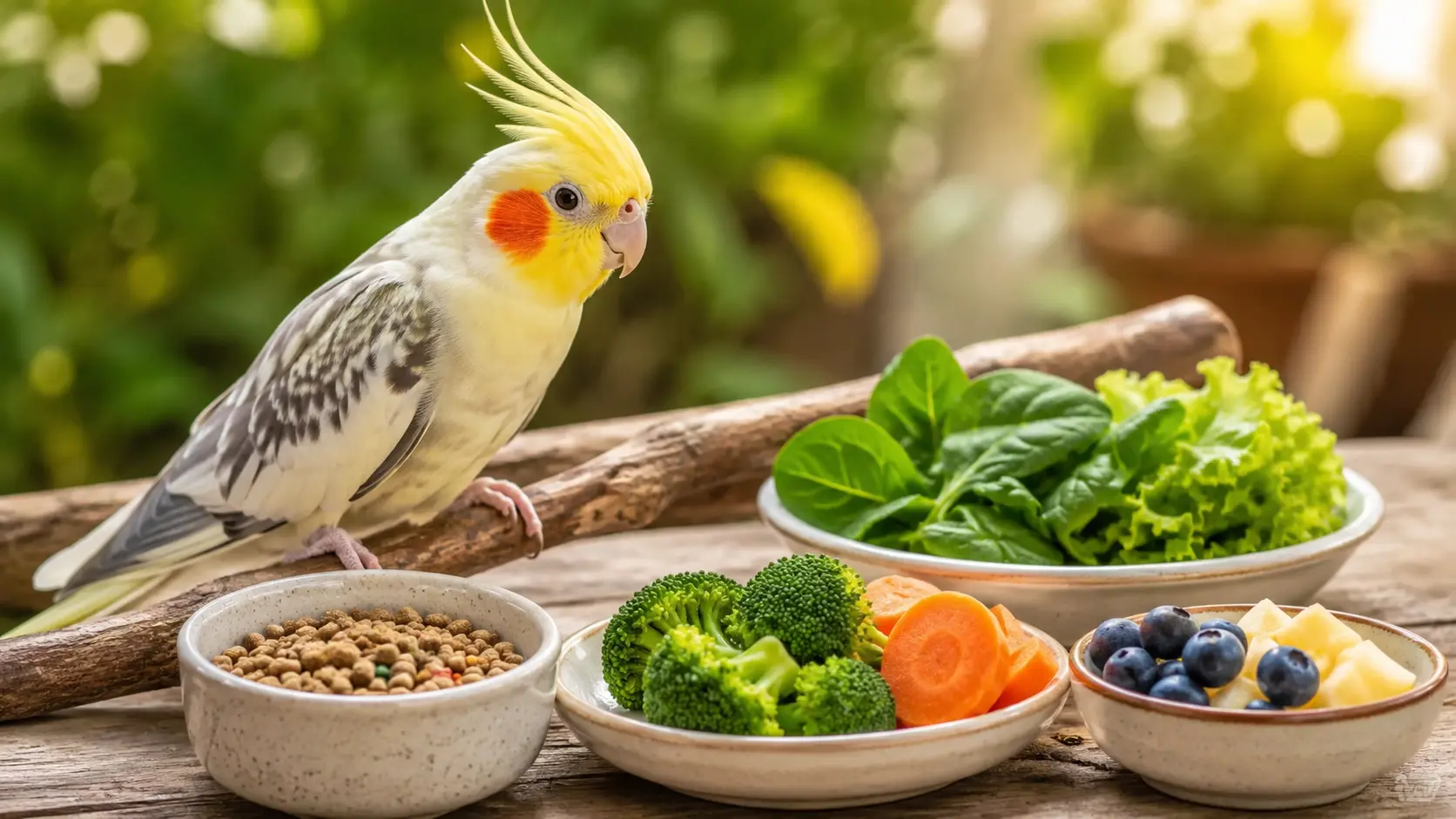
The best diet for cockatiels consists of approximately 60–70% high-quality pellets, 20–25% fresh vegetables, 5–10% fruits, and 5–10% seeds as occasional treats. This balance provides essential nutrients, helps prevent obesity and vitamin deficiencies, and supports long-term health.
Why Diet Matters for Cockatiels
What a cockatiel eats has a big impact on how long and how well it lives, which is why choosing the best diet for cockatiels matters. Good nutrition helps prevent many common health problems in cockatiels.
Because nutritional needs can vary between individual birds, owners should consult an avian veterinarian whenever they notice sudden weight loss, appetite changes, digestive problems, or signs of illness.
With proper care and nutrition, many cockatiels live 15–25 years. But sadly, a lot of pet birds never make it that far.
The main issue is: The classic seed-only diet.
While seeds are inexpensive and appealing to birds, Cockatiels are naturally drawn to them. But relying on seeds as a main meal is basically junk food for them. Over time, it can lead to serious health problems:
- Obesity: Wild cockatiels fly miles every day, but our pet cockatiels don’t get anywhere near that level of exercise. All that fat from a seed-heavy diet builds up quickly.
- Fatty Liver Disease: This problem is very common in pet cockatiels. The excess fat from the seeds literally builds up in the bird’s liver until it stops working.
- Vitamin A Deficiency: Birds raised mainly on seed diets frequently develop Vitamin A deficiencies, which can weaken immunity and increase the risk of respiratory infections.
And it’s not just about what’s going on inside. You can physically see the impact of a bad diet. A poorly fed cockatiel will often have dull, ragged feathers. They might seem grumpy, show low energy, or even start plucking their own feathers out of stress and malnutrition. Birds that eat well usually look more energetic and healthy.
What Do Cockatiels Eat in the Wild?
Looking at what wild cockatiels eat can help us build the best diet for cockatiels in captivity. Cockatiels come from the dry, open parts of Australia. In the wild, they spend most of their time on the ground looking for food. They’ll walk around for hours, picking through dirt and dry grass for food.
Their diet in the wild changes constantly. They naturally eat different foods depending on what is available.
The seeds they eat in nature (much smaller and leaner) are nothing like those heavy store mixes (fatty, commercial sunflower or safflower seeds). Along with those grass seeds, wild cockatiels eat fresh grasses, leafy vegetation, whatever seasonal fruits they can find, and even the occasional small insects for a protein boost.
Their diet depends on what’s available at the time (seasonal variation). If the rainy season brings certain blooming plants, they eat those. When things dry up, they adapt to what’s left.
To keep pet cockatiels healthy indoors, owners should include some of that natural variety in their daily diet. Feeding the same foods every day does not reflect the variety wild cockatiels experience. To keep them healthy in our living rooms, we need to mix things up the way nature does.
A Balanced Diet for Cockatiels
If you want the best diet for cockatiels, you need to get the proportions right. A lot of people wonder about the perfect cockatiel food ratio. Most avian vets recommend a similar balance of foods.
The table below shows the recommended balance of foods for a healthy adult cockatiel.
Table 1. Ideal Cockatiel Diet Ratio
| Food Type | Recommended Portion | Notes |
| Pellets | 60–70% | Primary source of balanced nutrition |
| Fresh Vegetables | 20–25% | Daily source of vitamins and minerals |
| Fruits | 5–10% | Offer in moderation due to natural sugars |
| Seeds | 5–10% | Treats and training rewards only |
Pellets (60–70%)
High-quality pellets should be the main part of your bird’s healthy diet. If you offer your bird a bowl of mixed seeds, a cockatiel will always pick out their favorite, fatty pieces and leave the healthy stuff behind. But in case you offer them only pellets, they will get balanced nutrition in each bite.
This is why many avian vets recommend pellets as the main part of a cockatiel’s diet.
Fresh Vegetables (20–25%)
Vegetables are one of the healthiest parts of a cockatiel’s diet. They provide important vitamins and nutrients. You want to aim for a daily rotation of dark, leafy greens like spinach and kale, alongside crunchier options like chopped carrots and broccoli. Serving them wet can even encourage your bird to take a “leaf bath.”
Fruits (5–10%)
Cockatiels usually love fruits, but because fruits contain a lot of sugar, they shouldn’t make up a huge chunk of their meals. Safe, easy favorites include bananas, blueberries, and apples. If you feed apples, you must remove the apple seeds first, as they contain a small amount of cyanide, which is dangerous for birds.
Seeds (Treat Only – 5–10%)
Don’t worry, your cockatiel still gets to eat seeds! But seeds can never be a replacement for a meal. Because of their high fat content, seeds are the perfect reward to use for taming, teaching step-up commands, or as a small portion before bed. They simply should not be the main diet.
Pellets vs Seeds: What’s the Best Diet for Cockatiels?
A common misconception is that seeds alone provide adequate nutrition. Pet stores sell dozens of bird food mixes, which can confuse new owners. Every bag claims it supports the best diet for cockatiels. But this is the biggest mistake cockatiel owners make.
A lot of new owners think seeds are the best option. They see their bird enthusiastically cracking open sunflower seeds and assume seeds are enough. In reality, an all-seed diet causes severe nutritional deficiencies.
The Problem with Seeds: As we touched on earlier, a commercial seed works like fast food. It is packed with fat and incredibly low in nutrients. When a cockatiel is fed a seed-only diet, its body has to work overtime to process all those empty calories. That fat accumulates in the liver, leading to fatty liver disease, a very common condition despite being largely preventable.
Why Pellets are Superior: Pellets work differently. They provide more balanced nutrition than seeds alone. A pelleted diet eliminates selective eating. With a seed mix, your cockatiel will dig through the bowl, pick out the fatty, tasty seeds, and toss the healthy bits on the floor. With pellets, every single bite contains the same ratio of vitamins, minerals, and proteins.
How to Convert Your Cockatiel to Pellets Safely
If your bird is used to eating only seeds, you should not switch to pellets overnight. Cockatiels are cautious about new foods. To a seed-eating bird, a bowl of pellets doesn’t even look like food. If you try to force them cold turkey, they might just refuse to eat.
Changing their diet takes time and patience. Here is how to do it safely:
- Start Slow: Start by mixing 90% of their normal seeds with 10% pellets. Let them get used to the sight and texture of the pellets in their bowl. In the span of a few weeks, slowly increase the ratio of pellets while decreasing the seeds.
- Use the Morning Hunger: Birds are hungriest when they wake up. Offer a bowl of only pellets for the first hour or two of the morning. When they are highly motivated to eat, they are much more likely to taste. (Later on, offer their regular food afterward so they don’t go hungry).
- Model Eating Behavior: Cockatiels are social flock animals; they love to eat whatever their flock is eating. Sit right near their cage, pick up a pellet, and pretend to eat it. Mimic eating the pellet to trigger their flock-eating instinct. Many birds eventually try it out of curiosity.
- Try Different Sizes and Brands: Not all pellets are created equal in the eyes of a cockatiel. If they reject one brand, try another. Sometimes switching from a “cockatiel-sized” pellet to a super-fine “parakeet-sized” pellet makes all the difference, as it more closely mimics the size of a seed.
Be patient. Converting an older bird can take months, but it’s one of the best things you can do for their overall well-being.
Fresh Foods Cockatiels Should Eat Daily
Fresh foods are an important part of the best diet for cockatiels because they provide nutrients and variety. In the wild, cockatiels spend hours foraging through blends of textures, tastes, and plants. By offering a daily “chop” (a mix of finely diced fresh foods), your bird doesn’t just get essential nutrition, but you are also providing them mental enrichment by preventing boredom.
Best Vegetables for Cockatiels
Vegetables are the most important part of the fresh mix for your bird and should make up the biggest portion of their daily fresh mix. Always choose dark, leafy greens and brightly colored veggies.
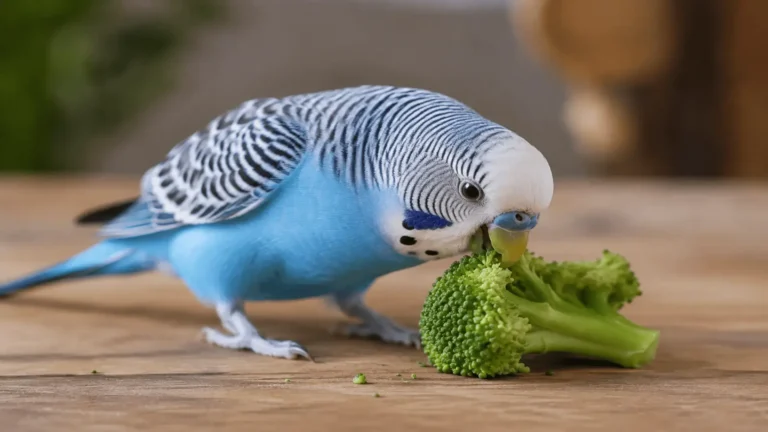
- Broccoli: Most cockatiels love it because it looks and feels similar to seeds, making it a good starter vegetable for picky eaters.
- Carrots: They’re a great source of Vitamin A. Try grating them or using a vegetable peeler to make fun, easily shreddable ribbons.
- Bell peppers: Cockatiels usually enjoy the crunch of bell peppers, and they can safely eat the seeds inside, too.
- Kale: A leafy green packed with vitamins A, C, and K. You can clip a whole leaf to the side of the cage and let them tear it apart.
- Spinach (in moderation): Spinach is incredibly healthy, but you should only feed it occasionally. It contains oxalic acid, which potentially can block your bird’s ability to absorb calcium if they eat too much of it.
Best Fruits for Cockatiels
Fruits are vital for cockatiels because they are high in sugar. You want to serve them in smaller, treat-sized portions compared to vegetables.
- Apples (no seeds): Simple and easy for the birds to eat, but you must carve out the core and remove the seeds before serving, as apple seeds are toxic.
- Berries: Strawberries, blueberries, and raspberries are full of antioxidants. Just be prepared for your bird to end up with a messy, colorful beak!
- Bananas: Soft, sweet, and very easy for them to nibble on.
- Mango and Papaya: These tropical fruits are good sources of vitamins and add variety to their diet.
Preparation Tip: Make sure you wash everything properly to remove harmful pesticides. Also, chop everything into small, bird-sized pieces so your cockatiel can easily pick it up and eat it.
Protein Sources (Occasional)
Cockatiels don’t need a lot of protein, but an occasional boost can play a helpful role, especially when a bird is going through a heavy molt and needs extra energy to grow new feathers.
- Boiled egg: A small slice of hard-boiled egg is a simple protein option. You can even crush up the boiled shell and offer it for a calcium boost!
- Sprouts: Sprouted seeds are considered highly nutritious. The sprouting process reduces the fat content and unlocks a ton of raw vitamins and proteins.
- Lentils: Well-cooked lentils (never dry) are a great, safe, plant-based protein option.
Pro Tip: Don’t just serve the same carrot and apple mix every single day. Rotate their fresh foods continuously to prevent boredom and encourage natural foraging behavior, so they don’t miss out on any essential nutrients.
Mental Enrichment: How You Feed Matters
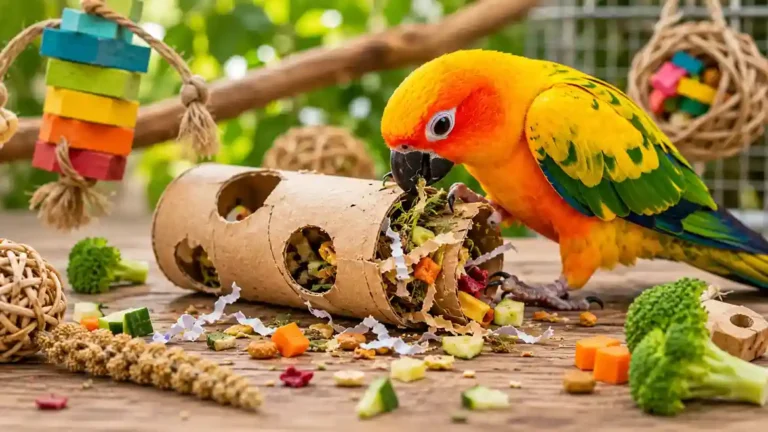
Providing a balanced diet is only the first step; you must also know how to serve it. This is critical for your cockatiel’s mental health. In the wild, these birds spend hours walking the ground and foraging for seeds and vegetation. Simply dropping food into a bowl can lead to boredom, feather plucking, and lethargy. To keep your bird sharp and active, you need to turn mealtime into a puzzle. Read our complete guide to [Avian Foraging and Mental Stimulation] to learn how to easily build foraging trays, veggie kabobs, and engaging food puzzles for your cockatiel.
Foods Cockatiels Should NEVER Eat
A bird’s digestive system is much more delicate than ours, and meals that are perfectly safe for us can be very dangerous to them.
Keep the following toxic foods completely out of reach to keep your bird safe. Keeping these toxic foods for cockatiels far away from their cage can keep your bird safe.
- Avocado: This is one of the most dangerous foods for birds. Every part of the avocado (the skin, the pit, and the green flesh) contains a compound called persin. Even a small amount can cause sudden respiratory distress and heart failure in cockatiels.
- Chocolate: Just like with dogs, chocolate is not safe for birds. It contains theobromine and caffeine, which can cause serious illness and can even be fatal. Darker chocolate is even worse.
- Caffeine: A cockatiel’s heart rate is very fast. Normally, at rest, 200-300 bpm. While in flight or activity, it jumps to 600-800 bpm. Caffeine can push their heart very hard, leading to cardiac arrhythmias and severe hyperactivity.
- Alcohol: A tiny drop of an alcoholic beverage can seriously harm a bird’s organ systems and be fatal.
- Onion and Garlic: Whether raw, cooked, or in powder form, onions and garlic are harmful for cockatiels. They contain chemical compounds that can damage a bird’s red blood cells, leading to serious blood and breathing problems, and potential death.
- Salty and Sugar-Heavy Foods: Cockatiels cannot process salt as we can. It puts too much pressure on their tiny kidneys, leading to severe dehydration and kidney failure. Likewise, sugars can cause extreme weight gain and digestive problems.
(As a general guideline, avoid feeding your bird any highly processed or seasoned human foods.)
How Much Should You Feed a Cockatiel?
Strict portion control is necessary to prevent obesity and maintain a healthy weight. Overfeeding is common, and because cockatiels will happily keep eating, it’s on you to keep things balanced. Use this chart as a simple feeding guide.
Cockatiel Feeding Schedule (Daily Routine)
A simple feeding routine can make a big difference for your bird. A routine also helps birds feel more comfortable. A schedule helps provide balanced nutrition while preventing overeating and food spoilage.
Table 2. Daily Cockatiel Feeding Schedule
| Time of Day | Food Offered | Purpose |
| Morning | Fresh vegetables, fresh foods, and pellets | Birds are usually most hungry and willing to try new foods |
| Afternoon | Pellets only | Prevents fresh food spoilage while maintaining access to food |
| Evening | Small portion of seeds or healthy treat | Supports bonding, training, and enrichment |
| Throughout Day | Fresh, clean water | Essential for hydration and health |
- Morning: Serve a mix of fresh food and vegetables, alongside their main portion of pellets. They’re usually most hungry in the morning.
- Afternoon: Remove any uneaten fresh foods so they don’t spoil, leaving only their dry pellets available for daytime eating.
- Evening: Offer a light portion of seeds or a small treat before bedtime. This is closer to their natural routine, and this is also a good time to bond or train them.
- Always: Make sure your bird has access to fresh water daily. Filtered or bottled spring water is highly recommended by exotic vets, as cockatiels are extremely sensitive to the chlorine and heavy metals often found in municipal tap water. Be sure to change it out immediately if they drop food or droppings into the bowl.
Special Diet Needs (Age and Health)
A cockatiel’s nutritional needs aren’t static. They change based on the bird’s age, health status, and activity level.
Baby Cockatiel Diet
If you have to feed an unweaned chick, its diet will be completely different from an adult’s. Babies require a proper hand-feeding formula made for chicks. The frequency of these feedings depends on how old the chick is. Very young babies need to be fed every couple of hours around the clock, while older chicks will gradually reduce feedings as they begin weaning onto solid pellets and veggies.
Adult Cockatiel Diet
Once your bird is fully weaned, feathered, and active, the focus shifts to keeping them healthy. This is the stage of life where you follow a balanced daily feeding routine (keeping pellets as the main part of their diet, daily fresh vegetables, and keeping seeds limited). The focus here is on preventing weight gain and maintaining long-term health.
Sick or Elderly Cockatiels
As cockatiels reach their senior years (often late teens to twenties), or if they are recovering from an illness, you might notice they become a bit pickier or struggle to crack hard foods. Transitioning them to soft foods can really help. Try soaking their regular pellets in a little warm water, or offering warm, mashed sweet potatoes and cooked grains.
If your adult bird suddenly stops eating or loses weight, don’t just switch their food. Always prioritize a quick vet consultation to rule out a hidden illness.
Do Cockatiels Need Supplements?
There are lots of water drops, mineral powders, and vitamin sprays in pet stores. However, with a balanced diet of pellets and fresh vegetables, extra supplements such as artificial vitamins are usually not necessary.
Adding vitamins without a reason can cause serious risks of over-supplementation. Too much of certain vitamins can lead to toxicity and organ damage. Most of the time, you don’t need supplements unless a vet recommends them to treat an illness, a known deficiency, or to help a bird transitioning off a seed-only diet.
However, there are a couple of natural supplements good for the cockatiels:
Calcium (Cuttlebone)
It’s a good idea to keep a cuttlebone or a mineral block attached to the inside of the cage. Cockatiels will naturally chew on it when they need a calcium boost. This is especially critical for female cockatiels. Even if she never mates, a female can still lay unfertilized eggs, an exhausting process that completely drains her body’s calcium reserves. Having a cuttlebone available helps prevent issues like egg-binding.
Vitamin D3
Birds need Vitamin D3 to properly absorb calcium, but it should only be supplemented if needed. Wild birds get this naturally from the sun, but indoor birds often miss out because standard window glass filters out the necessary UV rays. If your bird doesn’t get safe, direct sunlight or doesn’t have an avian UV light setup, a vet might suggest a D3 supplement, but check with a vet first.
Exotic vets suggest focusing on providing a diverse, fresh diet first, and letting the food provide most of the nutrition naturally.
Best Treats for Cockatiels (Healthy Options)
Treats should be used strategically for bonding and training rather than regular feeding. While we’ve focused a lot on keeping their main diet healthy, they can still have treats. What matters is what you choose for bonding and training, rather than just tossing them into the food bowl.
Millet Spray
If there is one thing almost all cockatiels get very excited about, it’s spray millet. It is essentially a favorite treat that they are so obsessed with. Millet is the best reward for taming and teaching them to step up. But don’t overdo it; it’s fatty. So pinch off a small cluster to give as a reward instead of hanging the entire long spray in their cage.
Nuts (Small Amounts)
Plain unsalted nuts like almonds, walnuts, or bits of pecan are really good treats. Because they are high in fat, you only offer a tiny piece at a time. You can also try to crush up a tiny bit of almond and hide it inside a paper foraging toy. This way, your bird has to work for their reward!
Homemade Treats
If you want to make homemade bird treats, it’s pretty fun and safe. You can mix some crushed pellets, a tiny amount of seeds, and mashed sweet potato or banana. Bake them into crunchy bird cookies! It’s an easy way to include vitamins in their day while giving them a satisfying crunch.
Common Cockatiel Diet Mistakes to Avoid
A lot of bird owners make the same few mistakes that prevent them from providing the best diet for cockatiels:
The Seed-Only Diet Trap
This is one of the biggest reasons birds become overweight and develop liver problems. If your bird is currently a seed addict, focus on slowly moving them to a high-quality pellet.
Overfeeding Fruits
Because fruits are natural, we feed our birds as much as they want. However, modern fruits are much sweeter than before. Feeding too much fruit means your cockatiel is getting too much sugar, which can lead to weight gain and digestive issues. Stick to the 5–10% rule, and always offer more veggies than fruits.
Lack of Variety
Serving the same bowl every day will make your bird bored. It may also mean your bird misses out on various nutrients. Eating the same foods every day leads to cage boredom and nutritional gaps.
Ignoring Fresh Food
Skipping fresh foods deprives your cockatiel of essential vitamins, hydration, and the fun of picking through different foods. Even if you are busy, a quick handful of washed leafy greens or a baby carrot can make a difference.
The good news is that cockatiels can adjust well to better diets, and correcting these dietary issues now will significantly improve their lifelong health. Cockatiels are very adaptable, and even small improvements to your cockatiel’s diet can improve its future health.
Healthy vs Unhealthy Diet Signs in Cockatiels
When your bird is getting a balanced diet of pellets, fresh veggies, and strictly limited seeds, you’ll start to see it in how they look and act.
Healthy Signs of Diet
Bright, Smooth Feathers: A well-nourished bird looks sleek. Their feathers should be vibrant, lie neatly against their body, and have a healthy natural shine.
Active and Vocal Behavior: Healthy cockatiels are active and curious. They should be whistling, shredding toys, foraging around their cage, and actively interacting with you throughout the day.
Healthy Droppings: Your bird’s droppings can tell you a lot about its digestive health. Healthy droppings should be consistent, made up of a solid part (greenish or brown, depending on their pellet color), clear liquid urine, and a white portion (urates).
Stable Weight: If you gently feel the middle of their chest, you should be able to feel their keel bone (breastbone). It should feel firm but not too sharp, nor should it be completely hidden beneath a layer of squishy fat.
Warning Signs of a Poor Diet (Unhealthy Cockatiel)
If your bird is stuck on a fatty seed mix or missing important nutrients, you’ll start noticing some warning signs.
Feather Plucking or Ragged Plumage: While plucking can sometimes be behavioral or stress-related, it’s quite common in birds suffering from severe malnutrition or dry, itchy skin caused by Vitamin A deficiency. Their feathers may also look frayed, dull, or have dark “stress bars” across them.
Obesity: If your bird looks unusually wide, pants heavily after a very short flight across the room, or has visible fat around the chest area, they are carrying extra weight, which can lead to liver and heart problems.
Lethargy: A cockatiel that sits constantly fluffed up like a puffball, sleeps excessively during daylight hours (especially standing on two feet instead of tucking one up), or shows zero interest in its surroundings is something you should not ignore.
If you ever notice these unhealthy signs, don’t just change their food bowl and hope for the best. A trip to a qualified avian vet should be your first step to rule out advanced illness!
Sample Weekly Cockatiel Meal Plan
If you’re not sure what to feed your cockatiel each day, save or print this simple weekly plan to keep things balanced and varied. This sample plan is only an example. Feel free to rotate safe vegetables and fruits based on availability and your cockatiel’s preferences while maintaining the overall dietary balance.
Table 3. Sample Weekly Cockatiel Meal Plan
| Day | Vegetables | Fruit | Protein/Treat |
| Monday | Kale and broccoli | Blueberries | Millet reward |
| Tuesday | Carrot and bell pepper | Apple (seedless) | None |
| Wednesday | Kale and broccoli | Banana | Small piece of boiled egg |
| Thursday | Bell pepper and carrot | Papaya | None |
| Friday | Broccoli and leafy greens | Mango | Millet reward |
| Saturday | Mixed vegetable chop | Blueberries | Cooked lentils |
| Sunday | Kale and bell pepper | Apple (seedless) | Small piece of boiled egg |
FAQs About the Best Diet for Cockatiels
Final Thoughts on Feeding Your Cockatiel
The best diet for cockatiels does not need to be complicated. The most important thing is providing balanced nutrition consistently over time. High-quality pellets, fresh vegetables, clean water, and limited seeds will help support your bird’s overall health and energy levels.
Avoiding common feeding mistakes is equally important, like relying entirely on seed mixes or feeding too many sugary treats. Small improvements in your cockatiel’s daily diet can make a noticeable difference in feather quality, activity, and future health.
With proper nutrition and variety, cockatiels can stay active, maintain a healthy weight, and live a much longer, healthier life.