
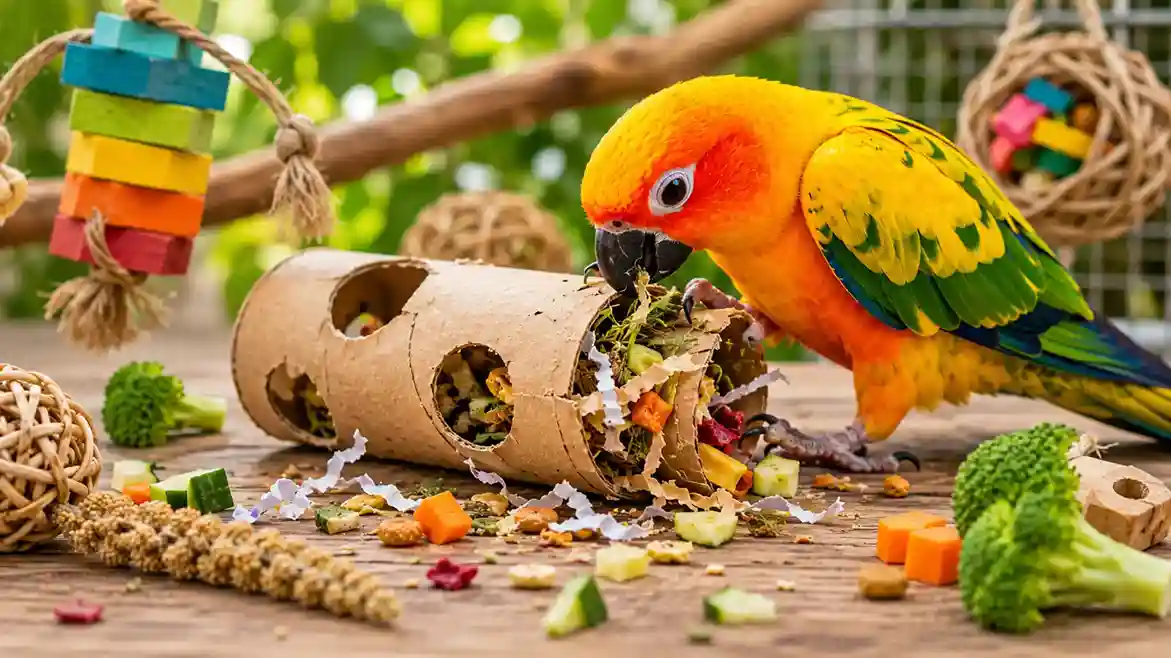
What is avian foraging? Avian foraging replaces the open food bowl with physical challenges. Making a pet bird work for its meals forces them to burn energy. This happens naturally when they tear through paper toys or climb for a hanging skewer. This routine mirrors how parrots hunt in nature and stops the behavioral issues tied to cage boredom.
A wild parrot spends up to 70 percent of the day hunting for meals. Wild parrots spend hours stripping bark or cracking nuts just to find a meal. In a standard home, a pet bird gets a full bowl of seeds and finishes eating in ten minutes. The rest of the day offers nothing to do.
This setup is common, but it creates noticeable problems. As this avian foraging guide will outline, the “free food in a bowl” model leads directly to behavioral changes. When birds lack a daily job, boredom takes over. Boredom usually manifests physically, whether the bird starts screaming for attention or relentlessly picking at its own feathers. The physical toll is just as real. Eating from a static dish requires zero effort, meaning the bird burns fewer calories. Easy meals and minimal movement lead straight to weight gain.
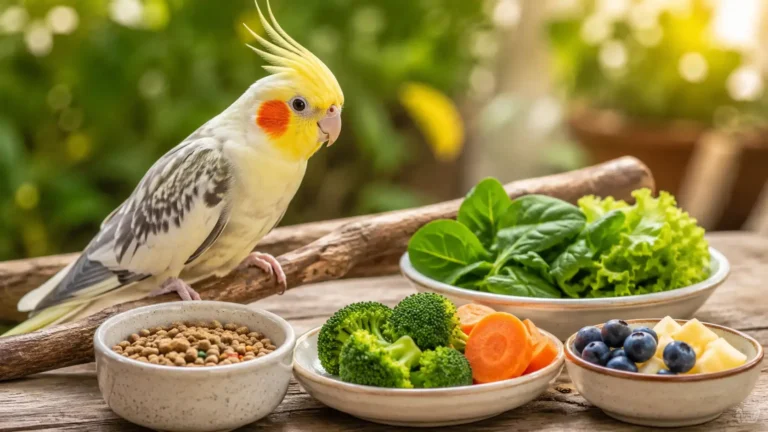
Mental enrichment is a core part of basic bird care, right alongside a healthy pellet diet and a spacious cage. Making a pet bird work for its food mirrors its natural routine. This routine burns energy and gives their mind a necessary job.
The Psychological and Physical Benefits of Foraging
When a bird spends the day in a cage with a full food bowl, their mind has nothing to process, which is why avian foraging is so necessary. A bored parrot resorts to screaming or pacing the cage bars.
By introducing food puzzles, owners give their pets a job. Figuring out how to unwrap a treat or pull apart a cardboard box takes focus. This problem-solving routine tires their brain positively. It curbs anxiety because the bird channels its energy into a productive task rather than destructive habits.
Sitting on a single perch to eat takes minimal effort. Over time, this sedentary routine causes weight gain. Pet birds are prone to fatty liver issues when they eat a lot and move less. Foraging forces a bird to work.
A hanging food skewer forces the bird to climb and balance awkwardly on one foot just to get a bite. Manipulating wooden blocks or untying leather strips builds muscle strength. The extra movement burns calories, helping keep their weight in a safe range.
Consider a young African Grey that began chewing its chest feathers. The owner tried changing the food brand and buying new toys, but the plucking continued. The breakthrough happened when the owner removed the food bowls. They wrapped the everyday pellets in small paper packets and hid them around the enclosure.
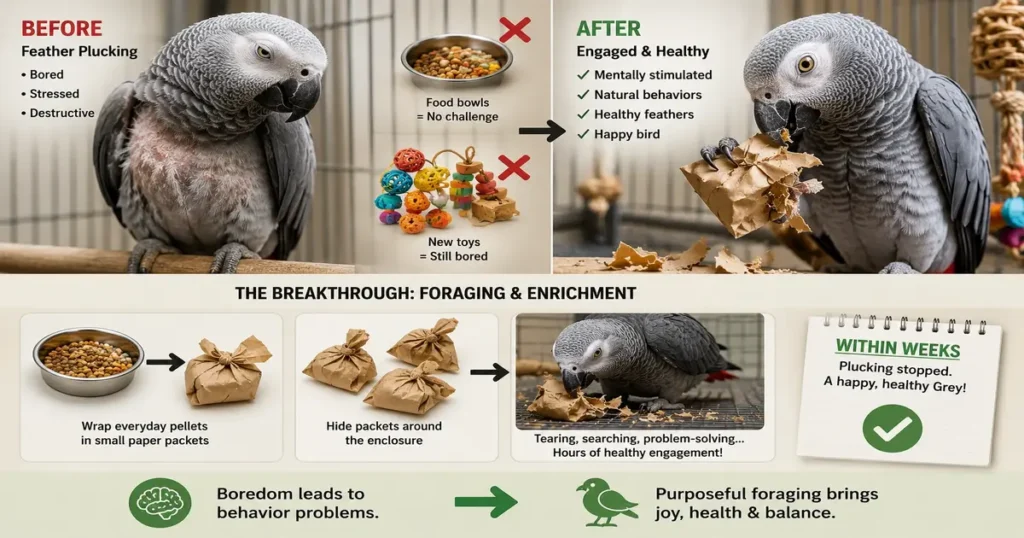
The Grey spent hours tearing the paper to find meals. The plucking stopped within weeks. The bird was destroying its feathers out of sheer boredom. The new routine of hunting for food provided the mental distraction it needed to break the habit.
How to Teach Your Bird to Forage (A Step-by-Step Guide)
Pet birds accustomed to eating from an open dish will not understand food puzzles right away. When presented with a hidden meal, a parrot might stare at the new setup or show clear frustration.
This initial confusion is a normal reaction. A captive bird needs to learn that working for a meal yields a reward, making a step-by-step avian foraging guide helpful for first-time owners.
Owners should introduce minor challenges first to build the bird’s confidence. If a puzzle is too complex on the first day, the bird will give up and go hungry. A steady, gradual transition brings the best results.
Step 1: The Paper Cover Method (Beginner)
Start the process using the bird’s regular food dish. Place their standard daily pellets inside.
Take a small piece of plain, unprinted paper and lay it flat across the top of the bowl. Let the bird watch you cover the food.
To reach the meal, the bird has to push the paper aside or chew a hole through the surface.
If they seem confused, poke a small hole in the center of the paper so the pellets remain visible. This minor obstacle teaches them that meals require a bit of effort.
Step 2: Wrapped Treats and Paper Cups (Intermediate)
Once the bird defeats the paper cover without hesitation, increase the difficulty level.
Take a portion of their daily pellets and place them inside an unbleached coffee filter. Twist the top to create a small, enclosed packet.
Scatter a few of these paper packets in a flat tray at the bottom of the cage. The bird has to hold the packet and tear the paper apart to retrieve the reward.
Small paper cups offer another great intermediate challenge. Hide food under a cup on a flat surface. The bird has to flip or toss the cup to uncover the hidden items, encouraging them to use their beak and feet.
Step 3: Acrylic Puzzles and Hanging Kabobs (Advanced)
Confident foragers are ready for mechanical obstacles. Pet supply brands offer clear acrylic puzzles featuring sliding drawers, turn-dials, or slotted keys.
The bird can see the reward inside the clear plastic but has to figure out the specific mechanism to release it. These puzzles keep their minds engaged for long periods.
Hanging stainless steel kabobs provides an excellent physical challenge. Skewer large chunks of apple, thick broccoli stems, and leafy greens.
Hang the kabob from the cage roof. The bird has to climb, balance on one foot, and pull at the swaying food. This setup replicates the physical exertion of gathering meals in a natural environment.
Species-Specific Foraging Strategies
Every pet bird approaches meals differently. A puzzle that holds the attention of a large parrot might frustrate a smaller bird. Owners see the best results when they match the feeding setup to the specific habits of their pet. The avian foraging strategies below outline the right approach for common household birds.
Table: Best Foraging Strategies by Bird Species
| Bird Species | Natural Feeding Habit | Best DIY Foraging Toy | Puzzle Challenge Level |
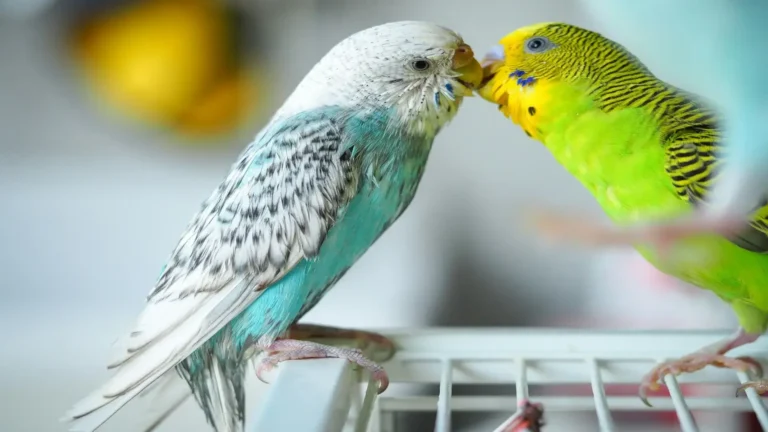
| Parakeet (Budgie) | Ground feeding | Flat tray with crinkle paper and pebbles | Beginner |
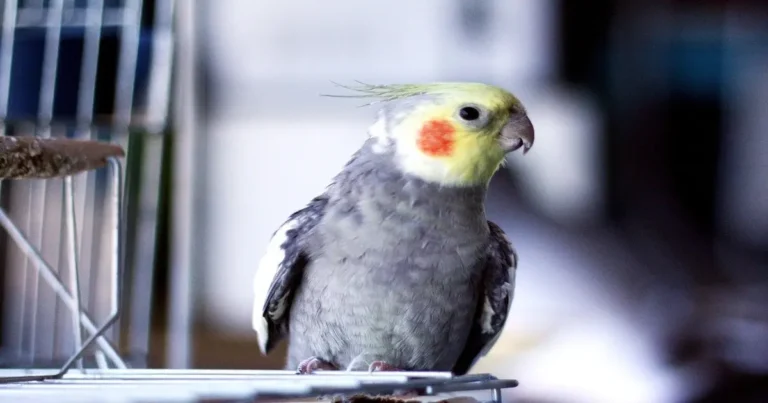
| Cockatiel | Shredding and untying | Small cardboard boxes or folded paper tubes | Intermediate |
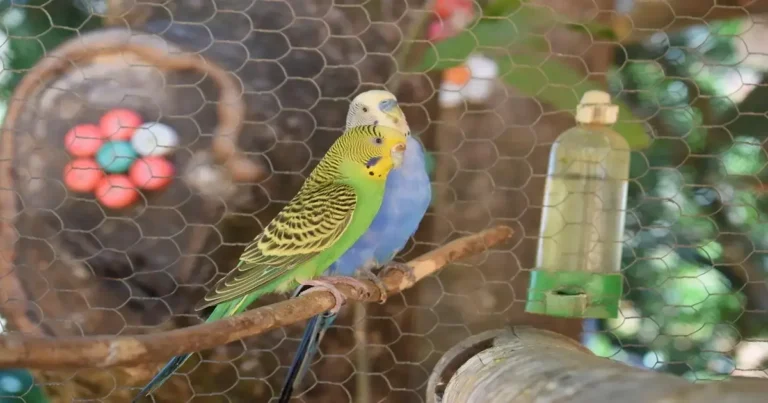
| Lovebird | Active chewing and tearing | Thick cardboard rolls stuffed with clean hay | Advanced |
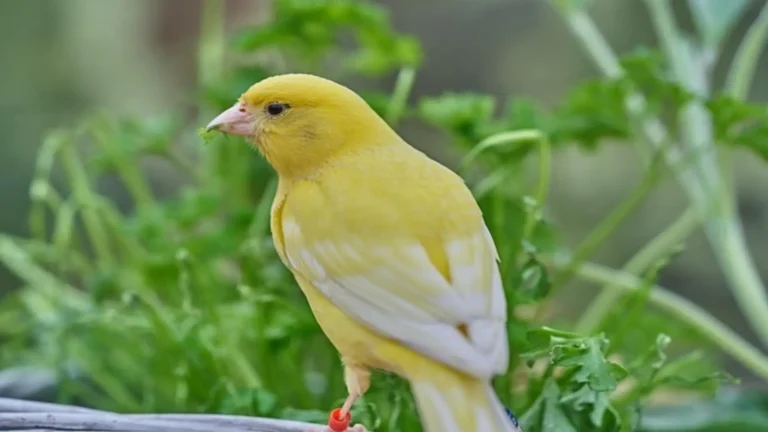
| Canary & Finch | Reaching and picking | Leafy greens clipped to the cage bars | Beginner |
Parakeets (Budgies)
In nature, budgies gather their meals by walking across the dirt. They are natural ground feeders. Owners can recreate this habit indoors by moving the food dish away from the upper perches and down to the bottom of the enclosure.
A flat baking tray or a shallow dish works best for this setup. Fill the bottom of the tray with a layer of bird-safe crinkle paper, clean wood shavings, or large, smooth pebbles.
Scatter their daily seed allowance and a few regular pellets across the tray. The budgie will spend hours walking through the materials. They will push the pebbles aside and dig through the paper to find their food. This setup mirrors their natural behavior and provides excellent mental stimulation.
Cockatiels
Cockatiels are infamous for destroying soft textures, often ruining perfectly good toys or picking holes in household fabrics. They find great satisfaction in tearing things apart and untying knots.
Owners can take advantage of this instinct by incorporating destructible materials into their daily meals. Small, clean cardboard boxes are perfect for this species. Place a scoop of food inside a small box and fold the flaps shut. The bird will work to tear the cardboard apart to reach the reward.
Woven palm leaves and soft woods also hold their attention well. Weave small pieces of dried fruit or a sprig of spray millet through a mat of sea grass. The cockatiel will focus on tearing the fibers apart to pull out the snacks.
Lovebirds
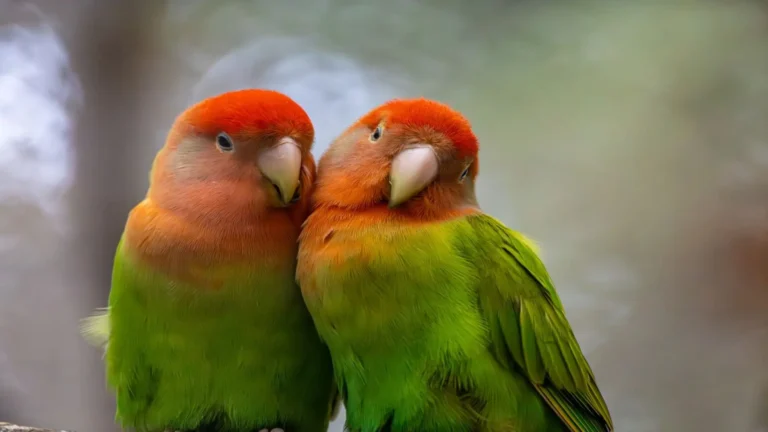
Lovebirds bring intense energy to a room. They are curious by nature and possess a strong urge to chew through objects. These birds need sturdy puzzles to hold their attention.
Flimsy paper tears too fast for a determined lovebird. Thick cardboard tubes and dense wood blocks offer a better challenge. Stuff the center of a thick paper roll with clean hay and hide a few favorite treats in the middle. The bird will have to chew through the tough cardboard to claim the prize.
Hang acrylic puzzles from the roof of the cage to make them climb. Their destructive habits need a productive outlet. Tough foraging tasks channel that energy away from chewing on cage bars or household furniture.
Canaries & Finches
Small songbirds lack the curved beak needed to crack open hard wood or tear through thick cardboard. Even without a hooked beak, canaries and finches still benefit from an engaging feeding routine.
Instead of complex mechanical puzzles, owners should focus on the physical placement of the food. Clip large leaves of wet lettuce to the side bars of the cage. Eating becomes a physical task when a small bird has to actively stretch and rip pieces off a secured leaf.
Tie a stalk of spray millet near a high perch so they have to balance while picking off the seeds. Scattering food across a flat tray also encourages them to hop and search. These small changes add valuable movement to their daily schedule and prevent cage boredom.
5 Easy DIY Foraging Toys You Can Make at Home
Pet store shelves are full of expensive acrylic puzzles, giving the false impression that mental enrichment costs a lot of money. In truth, the most effective setups can be made from household recycling.
Using safe household recycling removes the financial barrier. It allows any owner to build engaging challenges without spending extra money. Wild parrots tear apart bark, leaves, and seed pods. Household paper products replicate this natural texture well.
1. The Cardboard Tube
A basic toilet paper roll or paper towel tube offers a great starting point. Owners should ensure the tube is clean and free of leftover adhesive. Pinch one end of the roll flat and fold the corners inward to seal it. Drop a small portion of seeds or daily pellets into the open end. Fold the top closed to trap the food inside. The bird will hold the tube with one foot and chew through the soft cardboard to retrieve the meal.
2. The Egg Carton Puzzle
A clean, paper-based egg carton makes an excellent flat puzzle tray. Owners should avoid plastic or foam cartons.
Cut away the lid and use the bottom section with the individual cups. Place a few pellets or a small piece of fruit into random cups. Cover the food by placing a bird-safe wood block, a crumpled piece of paper, or a smooth pebble over each section. The bird has to lift or toss the covering object with its beak to find the hidden meal beneath it.
3. The Veggie Skewer
A stainless steel bird skewer turns a regular fresh meal into a physical workout. Layer the skewer with folded leafy greens and sturdy vegetables like thick broccoli stems. Hang this setup from the roof of the cage rather than resting it against the side bars.
Because the skewer sways, the bird has to grip the metal tightly and fight for its balance while eating. This replicates the physical effort of eating from a live tree branch.
4. The Coffee Filter Twist
Take an unbleached paper coffee filter and place a portion of the bird’s regular food in the center. Gather the edges and twist the top to create a small pouch. Tie the top with a strip of natural leather or a piece of safe paper string. Hang the pouch from a low perch or place it in a feeding dish. The thin paper is easy for a bird to tear, offering a rewarding sound and texture as they rip it open.
5. The Paper Ball
Take a sheet of plain, unprinted printer paper. Place a mix of pellets and a few dry seeds in the middle. Crumple the paper into a tight ball, trapping the food deep inside the folds. Place the ball on the cage floor or near a favorite resting spot. The bird will spend time unrolling and shredding the layers to reach the center, keeping their mind occupied for a long stretch of the afternoon.
Safety First: Foraging Hazards to Avoid
When building homemade toys, owners need to check the materials. Cardboard tubes and boxes work well, but they should be free of glue or sticky residue. Pet birds chew and swallow small pieces of their toys.
Ingesting adhesives, staples, or toxic dyes causes health problems. Choose plain, unprinted paper and untreated woods. If a wood block looks treated or stained with chemicals, leave it out of the cage.
Food puzzles require regular cleaning, a rule that applies to any avian foraging guide. A flat foraging tray filled with paper and pellets gets dirty as the bird walks through it.
Owners should empty and wipe down these trays each day. Leaving chopped vegetables or fruit pieces in a puzzle for too long invites trouble. Fresh food spoils, creating an environment for mold and bacteria. A dirty feeding area leads to crop issues or digestive upset.
Hanging puzzles present a different kind of risk. Birds like to chew on ropes, but cotton fibers pull apart into thin threads. A bird can wrap these loose threads around its toes. Inspect hanging ropes each day and trim any frayed edges.
Metal chains also pose a risk if the gaps match the size of the bird’s beak or toes. Choose chains with closed links to prevent accidents.
Frequently Asked Questions About Avian Foraging
Transitioning a pet bird to a new feeding routine brings up a lot of questions. Below are common concerns owners face when introducing food puzzles and building enrichment habits at home.
Conclusion & Next Steps
Finding the right food puzzle takes trial and error. Every bird prefers different textures and challenges. Owners should observe their pets and adjust the setups based on what keeps them engaged. This process is an ongoing journey of learning a bird’s unique habits.
A good puzzle only works if the food inside supports their health. Before filling those new cardboard tubes or flat trays, ensure the daily nutrition is on track. Check out our dedicated diet guides for Parakeets, Cockatiels, and Lovebirds to learn what fresh ingredients and proper portions belong inside your new foraging toys.