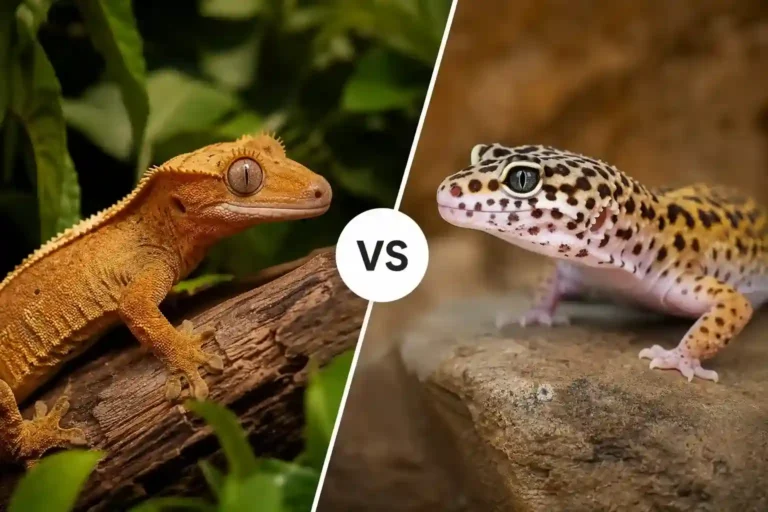

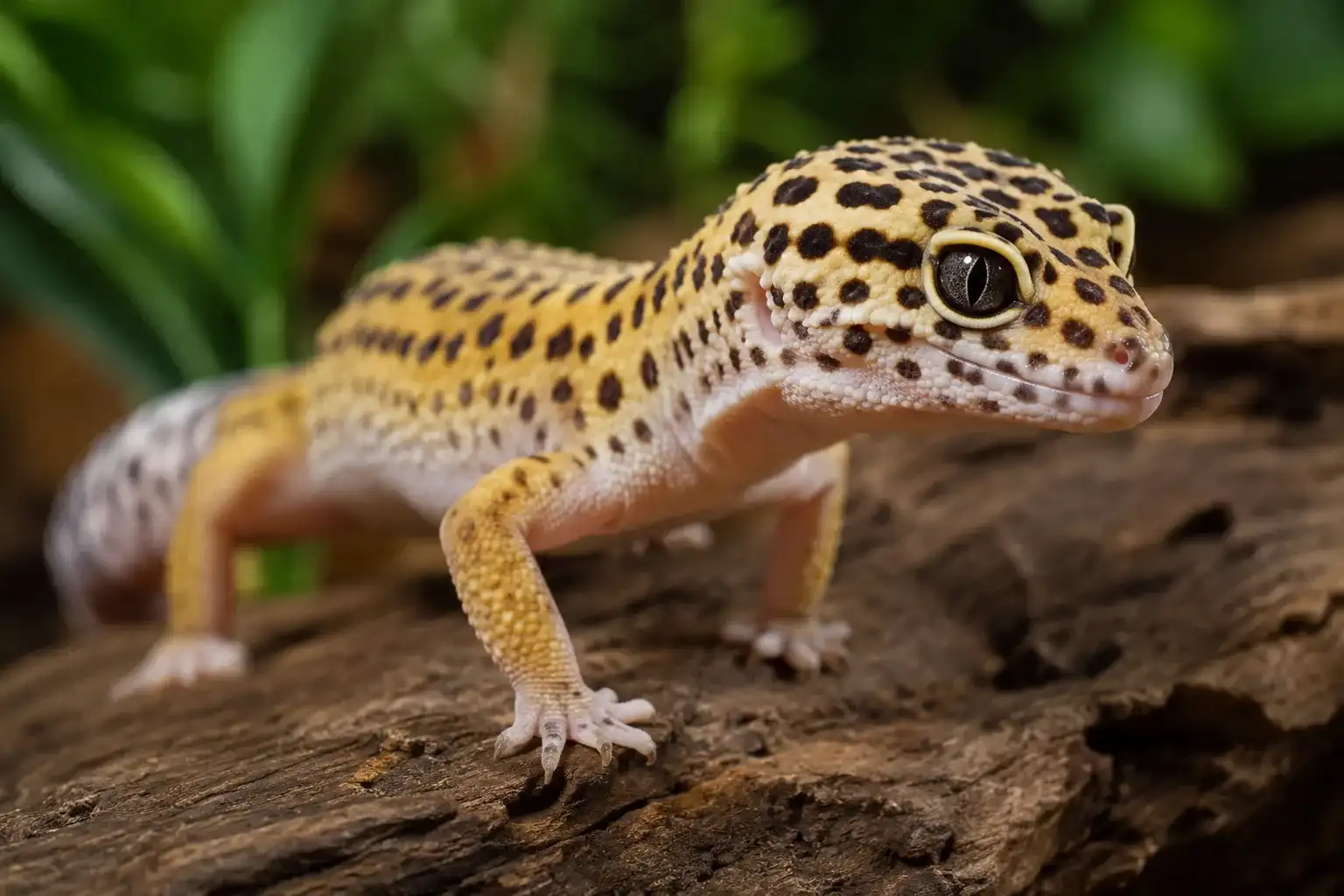
Leopard geckos are widely known as one of the best beginner reptiles. Many new owners underestimate the actual time commitment required to keep them. The average leopard gecko lifespan in captivity is 15 to 20 years. With optimal habitat conditions and consistent veterinary care, some well-cared-for individuals can extend their longevity into their late twenties.
Owning a leopard gecko is a long-term responsibility rather than a temporary hobby; it means providing a stable environment, a proper staple insect diet, and routine preventative care for up to two decades.
Below, you’ll learn how lifespan changes between wild and captive geckos, what to expect during each life stage, and which care practices have the biggest impact on longevity.
Average Leopard Gecko Lifespan: The Wild vs. Captivity
A leopard gecko’s lifespan depends entirely on where it lives. Leopard geckos kept in captivity generally outlive their wild counterparts by a wide margin. Wild leopard geckos spend much of their lives searching for food while avoiding predators and harsh weather conditions. In a home terrarium, they have a controlled environment designed specifically for longevity.
Lifespan in the Wild
In their natural habitats across the Middle East and parts of Asia, wild leopard geckos usually live around 3 to 8 years. Their natural environment is unforgiving. They face harsh weather conditions, meaning they must carefully manage their body temperature just to survive the hot days and cold nights.
Food scarcity is a constant issue, forcing them to rely heavily on their tail fat reserves when insects are hard to find. On top of that, they must avoid natural predators like foxes, snakes, and larger reptiles. Without access to veterinary care or parasite management, minor injuries or infections often become fatal.
Lifespan in Captivity
Freed from the harsh realities of nature, these pets reliably reach the two-decade milestone. This dramatic increase in the leopard gecko lifespan is the direct result of a predator-free terrarium, precise thermoregulation, and a consistent routine of calcium-dusted feeder insects.
Instead of hunting scarce meals, captive reptiles benefit from an optimized environment that prevents the rapid aging and physical toll seen in wild habitats. Captive-bred reptiles also benefit from routine veterinary care, keeping parasites and diseases at bay.
| Feature | The Wild | Captivity |
| Average Lifespan | 3–8 Years | 15–20+ Years |
| Diet & Nutrition | Unpredictable; prone to seasonal scarcity | Steady, gut-loaded, and calcium-supplemented |
| Primary Hazards | Predators, harsh weather, extreme parasites | Obesity, poor husbandry, improper handling |
| Medical Support | None; minor injuries are often fatal | Routine veterinary care and preventative screenings |
Veterinary Insight
In clinical practice, the vast majority of senior leopard gecko health issues stem from long-term, low-grade husbandry deficiencies rather than natural aging. Consistent calcium dusting and precise thermal gradients are the absolute pillars of reaching that 20-year milestone.
Dr. Fawad, DVM
The 4 Life Stages of a Leopard Gecko
Tracking a leopard gecko’s lifespan becomes much easier when you divide their physical development into four distinct stages. Each phase demands different care, feeding schedules, and environmental monitoring.
Knowing which stage your gecko is in helps you adjust feeding and care as its needs change. This ensures your pet maintains a healthy body weight and builds the necessary tail fat reserves for a long life.
Hatchling and Juvenile Stage (0–6 Months)
The first six months are marked by rapid growth. Hatchlings emerge small and highly vulnerable. Most of their energy during this period goes toward growth and development.
During this juvenile stage, daily feeding is absolutely required. You must offer small, gut-loaded insects that are no larger than the space between the gecko’s eyes to ensure safe digestion.
Because they grow so quickly, juveniles shed their skin frequently. Our veterinarians commonly find retained shed wrapped around the toes long before owners notice it. Left untreated, this can eventually restrict blood flow and lead to permanent tissue damage.
Sub-Adult Stage (6–12 Months)
Between six and twelve months, the rapid growth rate begins to slow down. The gecko starts filling out rather than just getting longer, building solid muscle, and storing fat in its tail.
This is also the phase where they reach sexual maturity. By this stage, it becomes much easier to determine if you are caring for a male or a female.
As their metabolism slightly shifts, you will need to adjust their feeding schedule. Moving from daily meals to feeding every other day helps prevent early obesity.
Adult Stage (1 Year – 10 Years)
From one year onward, your leopard gecko enters its adult stage. Most of a leopard gecko’s life is spent in adulthood, making this the stage where consistent care matters most.
During these peak health years, the gecko requires an established, consistent feeding routine. Feeding an adult a live prey two to three times a week is generally sufficient.
Consistent feeding, proper temperatures, and regular health monitoring become especially important during adulthood.
Senior Stage (10+ Years)
Once a leopard gecko crosses the ten-year mark, they are considered a senior. Many leopard geckos continue living for years after entering their senior stage.
You will likely notice a decreased metabolism. They may hunt less aggressively, eat less frequently, and require fewer calories overall to maintain their weight.
Seniors can also experience minor vision or mobility changes. You might need to adjust their enclosure slightly, making food dishes and water bowls easier to access without climbing.
Recognizing Signs of Aging
Some age-related changes are normal, while others may indicate an underlying health problem. Older geckos often show subtle physical and behavioral changes over time. You might notice a slight dulling of their skin tone or a natural decrease in overall activity. Mild lethargy or spending more time in their warm hide is common for older reptiles.
While slower movement is expected with age, our veterinarians consider rapid tail thinning or unexplained weight loss abnormal and recommend prompt evaluation to rule out underlying disease. If your senior reptile loses its tail fat reserves quickly, it is not just old age; it is time to consult an exotic veterinarian.
Leopard Gecko Age & Weight Chart
You can use the table below to track your gecko’s progress. Keep in mind that exact weights can vary based on genetics, but this serves as a reliable baseline.
| Life Stage | Age Range | Expected Weight | Expected Length |
| Hatchling | 0–2 Months | 3–15 grams | 3–4 inches |
| Juvenile | 2–6 Months | 15–30 grams | 4–6 inches |
| Sub-Adult | 6–12 Months | 30–45 grams | 6–7 inches |
| Adult / Senior | 1+ Years | 45–80+ grams | 7–10 inches |
Key Factors That Influence Life Expectancy
While you cannot control every aspect of their health, achieving the maximum leopard gecko lifespan rests in your hands. Understanding the variables that dictate their longevity allows you to focus on early health measures and avoid fatal mistakes.
Genetics and Morphs
Leopard gecko genetics play a critical role in determining the reptile’s maximum life expectancy. While standard wild-type geckos are highly robust, heavy selective breeding for unique designer patterns often introduces inbreeding, which can weaken the reptile’s immune system and shorten its overall lifespan.
When purchasing a leopard gecko, captive-bred vs. wild-caught is an easy choice for longevity, but you must also research the specific genetic line you are buying.
The Enigma Morph and Enigma Syndrome (ES)
Enigma Syndrome (ES) is a permanent, autosomal dominant neurological disorder inherently tied to the leopard gecko Enigma morph. This life-shortening genetic condition severely impairs the reptile’s balance and cognition, resulting in “star-gazing,” incessant circling, and debilitating seizures.
Because these neurological deficits make it difficult for them to catch their food independently, their quality of life is heavily compromised. Environmental stress greatly exacerbates these symptoms and further reduces a leopard gecko’s lifespan.
The Lemon Frost Morph and Iridophoroma
The leopard gecko Lemon Frost morph carries a severe genetic mutation that highly predisposes the reptile to iridophoroma, an aggressive form of skin cancer. These malignant tumors originate in the white pigment cells of the skin and frequently metastasize to internal organs.
Once the cancer spreads to vital organs such as the liver, the condition is fatal, making this specific designer morph highly vulnerable to early mortality.
Diet, Supplementation, and Gut-Loading
A staple insect diet is only as good as what those insects eat. Gut-loading is widely considered one of the most beneficial feeding practices for captive leopard geckos. It means feeding your feeder insects nutrient-dense foods 24 hours before offering them to your gecko.
Even with gut-loading, captive environments lack natural sunlight, meaning your gecko cannot synthesize Vitamin D on its own. Most keepers supplement feeder insects with calcium and Vitamin D3 to help support proper bone development.
Without a multivitamin and calcium dusting schedule, your gecko cannot achieve proper calcium absorption. This deficiency leads to bone weakness and reduces a leopard gecko’s lifespan.
Habitat Setup and Environmental Stress
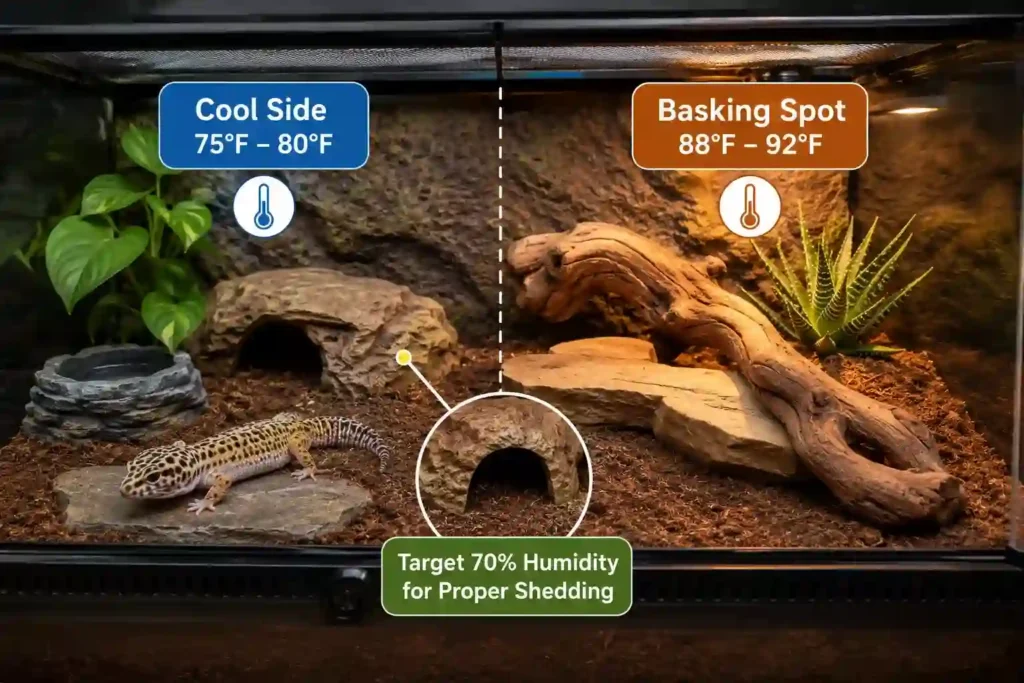
The conditions inside the enclosure can affect everything from digestion to successful shedding. Because they rely on their environment for thermoregulation, incorrect temperatures can interfere with normal digestion and other important bodily processes.
If the habitat is too cold, the gecko cannot digest its food, leading to internal blockages. If the humidity is too low, especially in their moist hide, they will struggle with shedding. In clinical practice, many chronic health problems can be traced back to incorrect enclosure temperatures or humidity rather than infectious disease.
Optimal Habitat Parameters
Common Health Issues That Shorten Leopard Gecko Lifespan
Even with the best intentions, owners can make mistakes that lead to serious health problems. Many of the health problems seen in captive leopard geckos can be traced back to daily care mistakes. By understanding these preventable diseases, you can protect your reptile and ensure it reaches its maximum lifespan.
Metabolic Bone Disease (MBD)
Metabolic Bone Disease (MBD) in leopard geckos is a severe, permanent skeletal deformity caused by a chronic dietary calcium and Vitamin D3 deficiency. Without proper calcium dusting, the reptile’s body begins pulling minerals directly from its own bones to survive.
This is one of the most frequent and preventable illnesses our exotic veterinarians treat in clinical practice. The early symptoms include lethargy, a lack of appetite, and weakness in the limbs. As the disease progresses, you will notice rubbery jaws, bowed legs, and spinal kinks. While treatment can stop the disease from progressing, the bone deformities are permanent. Severe MBD cripples the gecko, preventing it from hunting and drastically reducing its life.
Impaction
Impaction in leopard geckos is a potentially fatal bowel blockage caused by the ingestion of indigestible foreign materials. The most common cause of this severe gastrointestinal obstruction is the use of loose terrarium substrates, specifically calcium sand, crushed walnut shells, or fine gravel.
Because leopard geckos are active hunters, they often accidentally swallow mouthfuls of bedding while lunging at their routine live prey. This material slowly accumulates in their digestive tract, creating a solid, immovable mass.
A gecko suffering from impaction will stop eating, struggle to pass waste, and may show a dark, bruised-looking belly. Unless caught early and treated by a professional, impaction is almost always fatal.
Dysecdysis (Retained Shed)
Dysecdysis is the medical term for an abnormal or incomplete shed in leopard geckos, typically caused by inadequate terrarium humidity or the absence of a proper moist hide. If dead skin fails to peel away cleanly, it can restrict blood flow and cause permanent tissue necrosis.
The retained shed most frequently gets stuck around the gecko’s toes and the very tip of its tail. As the dead skin dries, it shrinks and acts like a tight rubber band, completely cutting off blood circulation.
This lack of blood flow causes the tissue to die, a condition known as necrosis. Eventually, the restricted toes or tail tip will rot and fall off. The resulting open wounds are highly susceptible to severe bacterial infections, which can spread systemically and threaten the gecko’s life.
Proven Tips to Maximize Your Leopard Gecko’s Lifespan
Helping your reptile reach its maximum life expectancy requires more than just a good setup on day one. It demands ongoing, proactive management. The following practices can help support your gecko’s long-term health and longevity.
Routine Veterinary Care
One of the biggest challenges our veterinarians face is that leopard geckos instinctively hide signs of illness. By the time obvious symptoms appear, the underlying condition may already be advanced. For this reason, you should never wait for visible symptoms to schedule a clinic visit.
An annual checkup with a qualified exotic veterinarian is mandatory. During this visit, always request fecal testing for internal parasites. Parasites are surprisingly common, even in captive environments, and they silently drain nutrients from the digestive tract. Catching and treating these early ensures your gecko can properly digest its primary feeder insects and maintain a healthy body weight.
Strict Environmental Monitoring
A visually perfect terrarium means nothing if the climate inside is incorrect. One of the most common care mistakes is relying on cheap, analog dial thermometers stuck to the glass. These dials measure the temperature of the glass, not the actual basking surface, and are frequently off by several degrees.
To maintain an optimal temperature gradient, you must use digital thermometers with physical probes placed directly on the substrate. Pair these with a reliable digital hygrometer. This strict monitoring ensures the cool side, the basking spot, and the moist hide are exactly where they need to be, reducing the risk of temperature-related problems.
Safe Handling Practices
While leopard geckos are famously docile, they are still prey animals at heart. Frequent, improper handling causes chronic stress, which directly suppresses their immune system.
Startling them or grabbing them from above can trigger a severe panic response. When heavily threatened, they will detach their tail—a defense mechanism known as autotomy. While a dropped tail will eventually regenerate, the process drains massive amounts of energy.
It is important to note that autotomy instantly strips the gecko of its vital tail fat reserves. Always practice safe handling by letting the reptile walk onto your flattened hand at its own pace, and never touch, grab, or restrict its tail.
Frequently Asked Questions (FAQ)
Navigating a full leopard gecko lifespan prompts specific questions about aging and daily care. Review the answers below to address common concerns about long-term reptile health.
What is the oldest recorded leopard gecko?
While the average captive leopard gecko lifespan is well into their late teens, the oldest officially recorded leopard gecko was a male that lived to be 39 years old. While hitting the late thirties is rare, it shows the importance of proper long-term care.
How can I tell how old my leopard gecko is?
Unless you have an exact hatch date from the breeder, determining a precise age is impossible. You can accurately estimate their age during the first year by tracking their length and weight against a growth chart. However, once they hit their adult stage and stop growing, a one-year-old and a ten-year-old look nearly identical.
What are the physical signs of aging in leopard geckos?
As your gecko reaches its senior stage (10+ years), you will notice a naturally slower metabolism. They may sleep more, hunt less aggressively, and develop a slightly duller skin tone. Keep in mind that a rapidly shrinking tail or severe lethargy is not a normal sign of aging; it is a sign of illness.
How long can a leopard gecko survive without food?
A healthy adult with thick, established tail fat reserves can technically survive for several weeks to a few months without eating. However, this is a desperate survival mechanism for the wild, not a standard to test in captivity. A captive gecko should maintain a steady, routine diet.
Does housing leopard geckos together affect their lifespan?
Yes, housing them together severely risks shortening their lifespan. Leopard geckos are strictly solitary and territorial reptiles. Keeping them in the same terrarium leads to chronic stress, bullying for food and heat, and violent physical fights that often result in fatal injuries. They live longest when housed alone.