
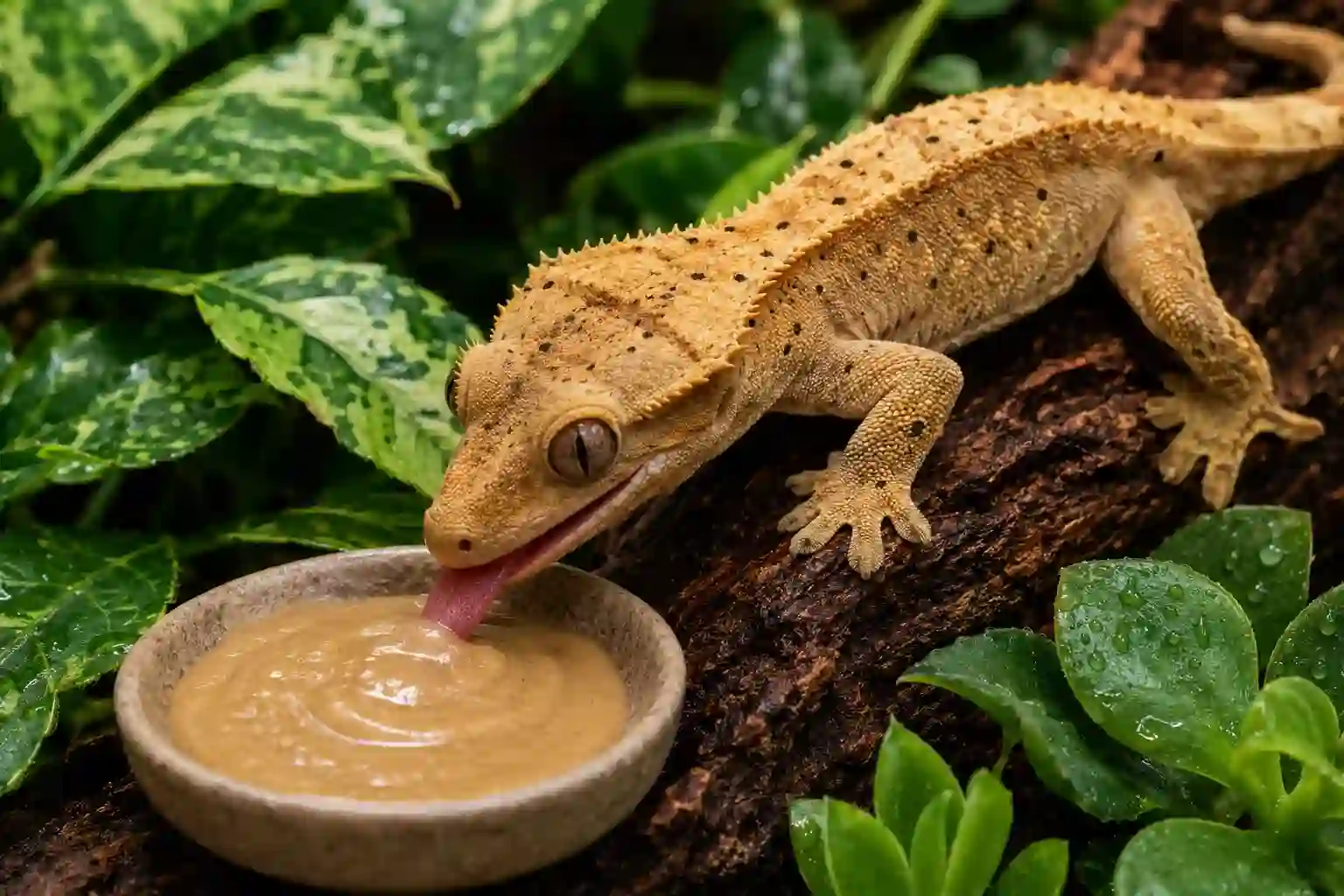
Dealing with a crested gecko not eating presents a distinct, observable challenge. A sudden feeding strike creates concern when you spot a drop in grams and track the ongoing weight loss. Correlophus ciliatus can develop stubborn preferences and start ignoring the commercial diets they accepted before.
Finding the best crested gecko foods for picky eaters involves understanding their shifting palate rather than forcing the issue. A picky crested gecko might reject a standard Meal Replacement Powder (MRP) due to flavor fatigue or a minor seasonal change. Instead of worrying over untouched bowls, the strategy shifts toward offering targeted nutrition designed to stimulate their feeding response.
By analyzing core ingredients and specific preparation methods, we evaluate which distinct formulas break a fast. The right adjustments to texture and aroma provide a reliable path to manage these fluctuations and restore a consistent appetite without reinforcing poor dietary habits over the long term.
Quick Answer
The best crested gecko food for picky eaters involves offering unique flavors to bypass dietary boredom and trigger a feeding response. To entice a crested gecko off a feeding strike, provide these top three specific formulas:
Pangea Fig and Insect: A trusted banana-free formula from Pangea Reptile offering a distinct scent profile.
Pangea Growth and Breeding: Delivers a needed high-fat content designed to add mass fast.
Repashy Grubs ‘N’ Fruit: A proven option by Repashy Superfoods containing dense insect meal.
How We Chose These Foods
Our recommendations focus only on complete meal replacement powders (MRPs) formulated for crested geckos rather than treats or occasional supplements. Each food was evaluated using the same practical criteria that experienced keepers use when managing reluctant eaters.
We prioritized formulas with complete and balanced nutrition, diverse fruit and insect ingredients, strong aroma profiles that may help stimulate feeding, and consistent acceptance among hobbyists and breeders.
We also considered how well each diet supports common situations such as flavor fatigue, bug dependence, seasonal appetite changes, and healthy weight maintenance. While individual preferences vary, every product recommended in this guide can serve as a nutritionally complete staple when fed according to the manufacturer’s instructions.
Understanding Why Your Crested Gecko is a Picky Eater
A picky crested gecko creates real frustration when food bowls remain untouched day after day. A gecko refusing food does not mean an illness has taken hold. We need to look at specific behavioral patterns rather than rushing to change the diet in a panic.
Small adjustments make a big difference over time. Observing these reptiles reveals that a feeding strike happens due to shifts in their environment. Let’s look at the main reasons behind an appetite loss in crested geckos.
Environmental Shifts and Temperature Drops
A terrarium temperature drop alters a reptile’s metabolism. As seasons change outside your window, the air inside the enclosure shifts too. This signals brumation instincts to kick in.
During cooler periods, a crested gecko not eating is a natural response to processing fewer calories. Their bodies require less energy to function. You might notice them hiding more in the foliage. A flavor preference changes during these times. They might ignore a staple diet but accept a fruit mix with a stronger scent.
Their olfactory receptors guide their feeding habits. Stronger smells provide better olfactory stimulation when their metabolism runs at a lower gear. Tracking their weight in grams during seasonal dips provides peace of mind. A steady weight indicates normal behavioral fasting rather than a problem.
Practical Insight
Many keepers notice that a gecko refusing its usual diet during cooler weather will often resume eating once nighttime temperatures stabilize and the enclosure remains within the recommended range for several days. Sudden temperature fluctuations tend to cause more feeding disruption than a consistent seasonal drop.
The Shedding Cycle (Ecdysis) and Behavioral Fasting
Another cause for a temporary fast is ecdysis, known as shedding. When your reptile prepares to shed its old skin, its focus shifts away from eating. The skin turns dull and pale. They become reclusive.
During this physical transition, behavioral fasting is the standard routine. They pull the loose skin off and consume it. This process fills their stomach. It provides nutrients back into their system. Offering a bowl of food after a shed results in the meal being rejected.
Wait a few days before offering fresh food again. Recognizing these specific cycles helps reduce the worry surrounding a feeding strike. Tracking their weight helps ensure they maintain a healthy body mass while navigating these natural events.

The Impact of Enclosure Size and Setup on Appetite
An oversized terrarium triggers crested gecko tank size stress, causing them to hide and ignore their meals. Moving a hesitant eater into a smaller space keeps their food within a short distance and restores a reliable appetite.
Spatial Stress in Juveniles
When facing a juvenile crested gecko not eating, the enclosure itself is a primary factor to observe. Moving a small reptile into massive terrarium dimensions causes spatial stress. They feel exposed in large open spaces instead of feeling secure. This husbandry stress leads directly to a crested gecko hiding and not eating for days.
A heavy plant canopy aids in coverage, but a smaller quarantine bin provides a secure, enclosed environment for young reptiles to build confidence. Managing crested gecko tank size stress involves sizing the habitat to match their current growth phase. A smaller footprint encourages regular feeding by keeping their meals within a short walking distance.
Strategic Placement of Feeding Ledges
Figuring out where to put gecko food is a core part of proper crested gecko care and matters just as much as the diet itself. These reptiles exhibit arboreal behavior in their daily routines. They naturally search for meals high up in the branches rather than walking on the dirt.
Supporting arboreal feeding requires utilizing wall-mounted cups placed near their favorite resting spots. To prevent a stressed reptile from working too hard for a meal, install multiple feeding stations across the glass. Elevating the dishes ensures the food remains easy to spot during their active periods.
Practical Insight
In practice, moving a feeding cup closer to a gecko’s preferred sleeping area often increases food intake within a few nights. Arboreal geckos are far more likely to investigate a meal that is already along their regular climbing route than one placed near the substrate.
Top Meal Replacement Powders (MRPs) for Stubborn Cresties
Finding the best crested gecko food for picky eaters means rotating specific formulas rather than offering the same blend week after week. Many reptiles experience flavor fatigue when fed identical meals for months on end. They start ignoring bowls that they emptied overnight in the past.
The solution involves identifying what ingredient they are tired of and providing a fresh olfactory trigger. We look at Meal Replacement Powder (MRP) options that stand out due to distinct scents and textures, providing a break from the norm.
A shift in the nutritional profile brings them back to the feeding ledge. Comparing Pangea vs Repashy reveals that both manufacturers understand this behavioral quirk. They develop specific product lines to bypass temporary aversions and trigger a reliable feeding response.
Top MRP Formulas Proven to Entice Picky Crested Geckos
Table 1: Quick Product Comparison
| Product | Key Ingredients | Best For | Potential Drawback |
| Pangea Fig & Insect | Fig, insect protein, fruits | Geckos refusing banana-heavy formulas or showing flavor fatigue | Some geckos accustomed to sweeter diets may take several feedings to adjust. |
| Pangea Growth & Breeding | Higher protein and fat, fruits, insects | Underweight adults, breeding females, or geckos recovering from a prolonged feeding strike | Higher calorie density makes it unsuitable as the long-term choice for overweight or inactive geckos. |
| Repashy Grubs ‘N’ Fruit | Black soldier fly larvae, fruits, insect meal | Geckos strongly preferring live insects or transitioning from bug-only diets | The stronger insect aroma is not preferred by every individual. |
| Pangea Watermelon | Watermelon, fruits, complete vitamins and minerals | Stimulating interest through a different fruit aroma after diet boredom | Provides variety but should still be rotated with other complete formulas. |
| Repashy Mulberry Madness | Mulberry, fruits, complete nutrients | Encouraging reluctant eaters that respond better to berry-based flavors | Flavor preference varies between individual geckos, so acceptance is not guaranteed. |
No single formula works for every crested gecko. Rotating two or three complete diets with different fruit and insect profiles is often more successful than repeatedly offering the same flavor during a feeding strike.
Banana-Free Formulas for Flavor Fatigue
A common reason a reptile ignores the food bowl relates to the base ingredients. A large number of standard diets rely on a strong banana base to provide natural sweetness. While many geckos consume this without hesitation, some develop a sudden aversion. They take one smell of the familiar mix and walk away.
Offering a banana-free gecko diet presents a novel scent profile to an uninterested reptile. Pangea Fig and Insect serves as a reliable alternative in these situations. The lack of banana combined with a potent fig aroma captures their attention. It acts as a necessary palate reset for a stubborn eater.
Exploring different Repashy flavors also provides novel choices to combat dietary boredom. Formulas featuring seasonal berries or distinct fruit blends offer a sharp smell that cuts through the routine.
When preparing these alternative flavors, observe the food consistency to ensure it matches their preference. If you need guidance on getting the texture right, check out our guide on [How to Mix Crested Gecko Diet]. Presenting a new aroma alongside the right thickness encourages hesitant reptiles to sample the dish.
High-Fat and Insect-Heavy Blends
A reliable feeding response requires a protein-heavy approach for some individuals rather than sweet fruits. Geckos displaying a preference for live prey ignore fruit-only powders on a regular basis. Incorporating a fruit and insect mix bridges this gap without causing digestive issues.
Formulas containing Black Soldier Fly Larvae (BSFL) emit an earthy scent that appeals to their predatory side. Repashy Grubs ‘N’ Fruit blends a high percentage of insect meal with a sweet base to entice reptiles transitioning off live bugs. The ground insects change the mouthfeel of the paste. A picky reptile notices this distinct texture change.
A high-fat MRP offers targeted nutrition for underweight individuals experiencing a prolonged fast. Pangea Growth and Breeding provides concentrated calories in smaller portions. If a reptile takes a few licks before retreating into the foliage, those few licks need to deliver maximum energy. The elevated fat content in these specialized blends helps maintain body mass.
Rotating between an insect-heavy option and a sweet, aromatic blend keeps their meals engaging. Monitoring the dish after offering these distinct formulas helps identify the specific ingredient profile that breaks the fast. Tracking their preference saves time and reduces food waste during future feeding cycles. This approach guarantees your reptile maintains a healthy diet.
Live Insects as Bribe Foods and Appetite Stimulants
Offering crested gecko live insects serves as a practical tool when a reptile ignores powdered meals for days on end. A static bowl of food sitting on a ledge fails to capture their attention during a prolonged fast. We use live prey as a direct bribe to wake up an absent appetite. A moving target creates a visual reaction that a blended paste cannot achieve.
Triggering the Predatory Hunting Instinct
A feeding strike breaks faster when we introduce a physical movement stimulus into the enclosure. The sudden jump of Acheta domesticus (house crickets) activates a dormant predatory instinct.
When a reptile sees prey moving across the cork bark branches, their natural insect drive takes over. Feeding crickets to crested geckos initiates a strong hunting stimulus that snaps them out of a behavioral fast.
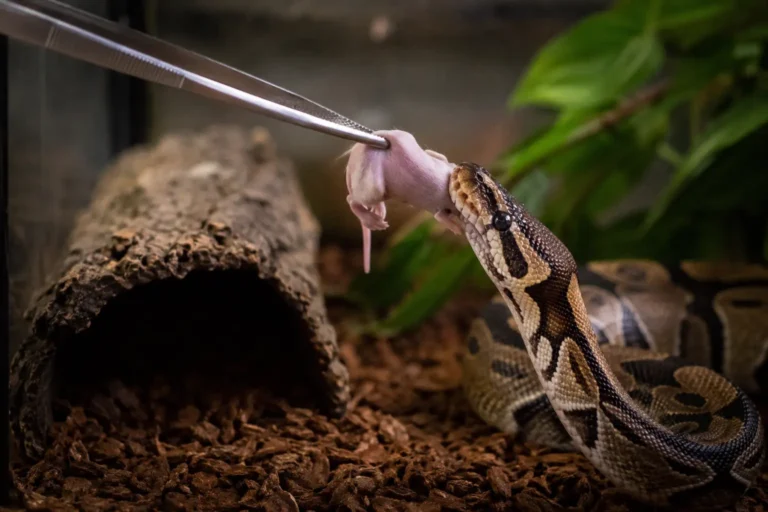
Tong-feeding offers a controlled method to present the bug right in front of their snout. Wiggling the insect in the air mimics natural movement, triggering feeding response mechanisms without requiring the reptile to search the large tank.
Using Blaptica dubia (Dubia roaches for geckos) provides a slower target for hesitant eaters to track along the glass. The physical act of hunting and catching a bug wakes up their digestive system to process food. Once they consume a live insect, they become more receptive to eating their standard powdered diet the following night.
Managing “Bug Junkie” Geckos
Relying on live prey creates a frustrating behavioral challenge. A reptile that only accepts bugs turns into a bug junkie over time. They learn to hold out for moving prey and refuse their formulated powder diets. This behavioral loop requires careful management to prevent long-term malnutrition. We offer insects as an occasional bribe rather than a daily staple meal.
Veterinary Insight
Exotic veterinarians generally recommend using live insects as a supplement rather than the sole diet for crested geckos. Complete MRPs provide a more appropriate calcium balance and broader nutrient profile than insects alone, which helps reduce the long-term risk of nutritional deficiencies.
Transitioning a Picky Crested Gecko to a New Diet
Switching crested gecko food takes time when dealing with established dietary habits. A reptile raised on pureed fruit or live prey develops strong dietary habituation. Figuring out how to change gecko diet requires a tactical psychological approach rather than just swapping the bowls out overnight. We look at two distinct feeding strategies designed to break a crested gecko’s food strike and transition them onto a healthy meal replacement powder without causing any unnecessary stress.
The Gradual Mix Method
Weaning off live insects or sweet baby food demands steady patience. A sudden swap causes a stubborn reptile to ignore the fresh dish. The gradual transition method works by tricking their palate over several weeks.
Start by preparing the new premium MRP and mixing a small portion into their familiar, preferred food. If they prefer crushed fruit, add a 10 percent ratio of the new powder into 90 percent of the old meal. Stir the blend together so the familiar scent remains the dominant smell in the bowl.
Over the next few feedings, increase the MRP ratio while decreasing the old food volume. Watch the feeding ledge for visible lick marks in the paste. If they accept a 50/50 blend without issue, push the ratio higher on the next feeding attempt. This tactic prevents a sudden fast by easing their olfactory senses into the new flavor profile.
For bug-dependent reptiles, dusting crushed insects with the dry MRP introduces the new taste before you offer a bowl of pure blended paste. This specific step sets a strong foundation for a proper diet.
Practical Insight
Experienced keepers generally change only one variable at a time when dealing with a picky eater. If you switch the food flavor, enclosure setup, and feeding schedule simultaneously, it becomes difficult to identify which change actually improved the gecko’s appetite.
The “Cold Turkey” Approach and Weight Tracking
Sometimes a gradual mix prolongs bad dietary habits. The cold turkey feeding strategy removes the old, unhealthy diet from the rotation. You offer only the new premium MRP in their enclosure. The reptile will ignore the new food for several days. This method relies on waiting for natural hunger to override stubborn behavioral preferences.
Success with this direct approach depends on objective data tracking. Weighing a crested gecko on a digital gram scale provides the exact metrics needed to monitor their physical safety during a holdout. Place the reptile on the gram scale before starting the fast to establish a clear baseline weight. Check their body weight every few days to monitor any changes.
Veterinary Insight
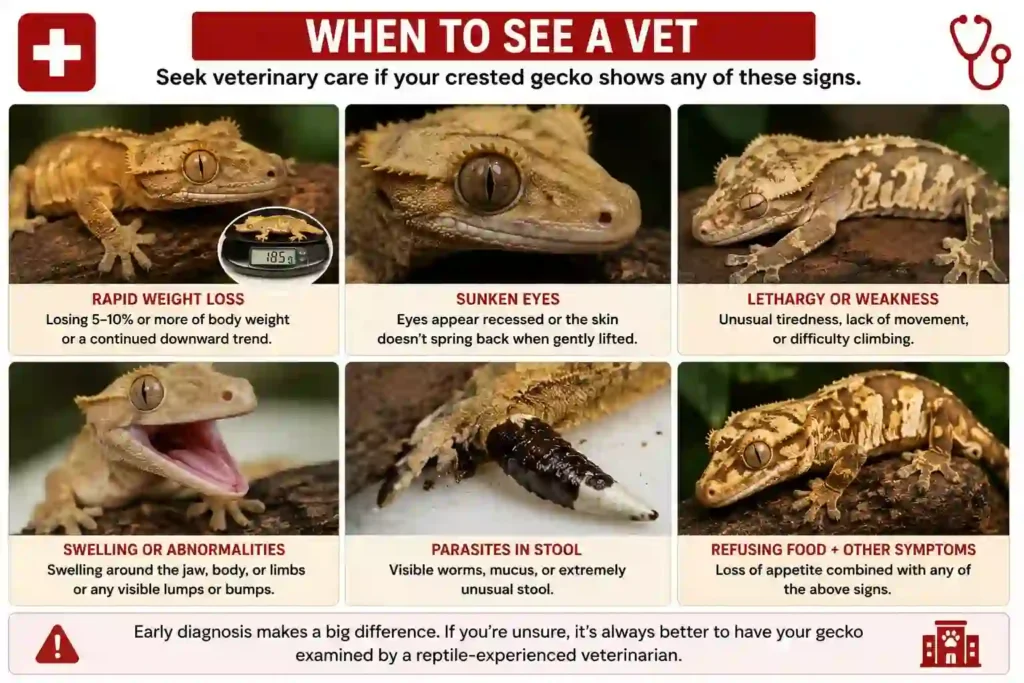
A healthy adult crested gecko tolerates a short behavioral fast, but veterinarians pay close attention to weight trends rather than missed meals alone. If a gecko loses roughly 5–10% of its body weight or continues declining despite husbandry adjustments, a veterinary examination is warranted.
What to Avoid: Common Mistakes When Dealing With Picky Eaters
Making crested gecko diet mistakes happens when we panic and try to break a fast too quickly. We want our reptiles to eat regularly, but certain daily habits create long-term feeding issues that take many months to correct. Let us look at the most common traps that worsen a food strike and harm their overall health.
The Dangers of Human Baby Food
Offering a jar of fruit puree seems like an easy fix for a hungry reptile. Relying on human-grade purees introduces severe health risks that far outweigh any short-term calorie gains. A reptile develops a taste for the high sugar content found in these jars, leading directly to irreversible picky eating. Crested geckos refuse balanced powders once they experience the sweet alternative.
Veterinary Insight
From a clinical perspective, exotic veterinarians warn that feeding crested gecko baby food is a leading cause of Metabolic Bone Disease (MBD). These specific baby food formulations contain a disastrous Calcium-to-Phosphorus (Ca:P) ratio for reptiles. The excess phosphorus strips calcium from their bones, resulting in permanent skeletal damage. A temporary fast is much safer than risking their bone structure with improper grocery store substitutes.
Enabling Hand-Feeding Reliance
Holding the food bowl up to their snout works as a temporary tool. Doing this every night creates a problematic hand-feeding crested gecko reliance.
A reptile learns to wait for you to bring the meal to them rather than foraging in their enclosure. This habit causes laziness and creates a fake food strike when you are not around to serve them.
Building a hand-feeding dependence prevents them from displaying natural hunting behaviors. Overfeeding insects from tweezers worsens this dynamic. Enabling picky eating by catering to their whims turns a simple behavioral fast into a permanent routine.
Place the bowl on their ledge, step back, and wait. They possess the instincts to find their meals without constant physical intervention.
When to See a Vet: Parasites and Illness vs. Stubbornness
Sometimes a stubborn phase masks a medical issue. Differentiating a behavioral fast from genuine sick crested gecko symptoms requires careful observation. Watch for physical signs like sunken eyes, which point to dehydration. A reptile suffering from severe impaction will reject all meals due to a physical blockage in their digestive tract.
When a gecko losing weight quickly shows zero interest in live prey or fresh blends, look beyond the habitat setup. These are common crested gecko parasite symptoms that people miss. A hidden infestation of endoparasites drains nutrients and causes severe anorexia.
An exotic veterinarian provides the diagnostic tools needed to uncover these hidden threats. When rapid weight loss happens during a feeding strike, a vet needs to run a fecal float test. This specific diagnostic detects the microscopic bugs causing the physical decline. Treating the medical root cause resolves the anorexia far better than offering different food bowls.
Frequently Asked Questions (FAQs)
These best crested gecko foods for picky eaters FAQs address specific concerns that arise during a stubborn fast.
How long can a crested gecko go without eating?
A healthy adult withstands a fast lasting two to three weeks without physical harm, especially during a cooler brumation period. Using a digital gram scale provides reliable data during this timeframe. Gram scale tracking prevents panic by confirming the reptile maintains its baseline mass despite the ongoing fast.
Why is my crested gecko only eating bugs?
Reptiles develop strong dietary habituation when offered moving prey on a regular basis. The instinct to hunt live insects overrides the desire to eat stationary blended powders. This preference causes them to wait for the next insect feeding rather than consuming balanced formulas, requiring a tactical pause on bugs.
Do crested geckos get tired of the same food?
Yes, these reptiles experience flavor fatigue when fed an identical blend for consecutive months. In nature, their available diet shifts throughout the year. Offering the same scent profile every night leads to dietary boredom. Rotating two or three distinct meal replacement formulas prevents this fatigue and sustains a steady appetite.
Does shedding cause a sudden food strike?
A reptile approaching ecdysis turns pale and stops searching for meals. The physical act of pulling and consuming their old skin fills their stomach. They refuse fresh bowls for a few days surrounding this cycle. Once the skin clears away, their normal appetite returns on its own without intervention.
Conclusion and Final Checklist for Picky Cresties
Finding the best crested gecko foods for picky eaters requires observing their daily behavior rather than rushing a quick fix. Maintaining a healthy gecko diet depends on tracking objective data and making small adjustments to the environment.
Final Checklist for Picky Eaters:
- Monitor Grams: Establish a baseline weight to evaluate a feeding strike without guessing.
- Rotate Flavors: Offer fresh scent profiles to combat dietary boredom.
- Use Prey: Utilize live insect movement to trigger dormant hunting instincts.
- Stop Enabling: Cease bad habits like hand-feeding reliance or offering sugary baby food.
- Build Routine: Maintain husbandry consistency so the reptile expects food at a set location.
Building a consistent feeding routine takes real time. Practicing feeding patience stops you from giving in to a stubborn appetite. Stick to a set schedule to support their long-term dietary health and ensure they accept balanced meals. A measured approach guarantees feeding success without causing any added physical stress.